
The AI trade is showing signs of strain as investors grow increasingly uneasy about the heavy debt loads companies such as Oracle and CoreWeave are taking on to fund massive data-center expansions.
Concerns over whether these firms can continue financing AI infrastructure have rattled the sector in recent weeks, with selling pressure intensifying on Wednesday following renewed worries tied to Oracle.
Broadcom shares sank 4.5% on the day, extending their decline to more than 21% over the past five sessions — the stock’s worst five-day stretch since late March 2020, according to Dow Jones Market Data.
Other semiconductor names also moved lower. Nvidia, Advanced Micro Devices and Micron Technology all fell, with Micron slipping ahead of its fiscal first-quarter earnings report after the close. The PHLX Semiconductor Index dropped for a fifth straight session and is now down more than 10% over that period.
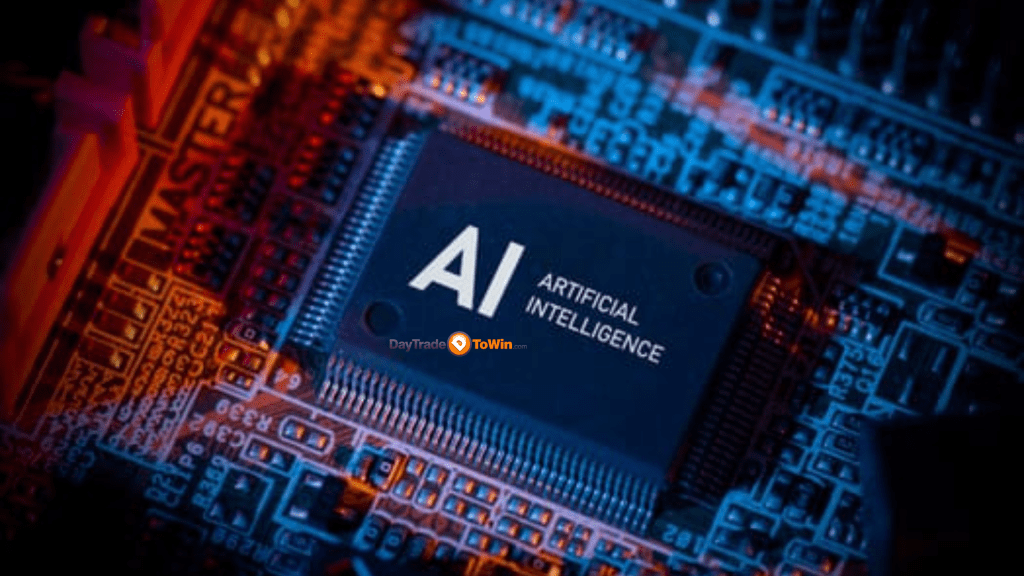
“The growing concern about whether neoclouds like Oracle and CoreWeave can finance their data-center buildouts is weighing on the entire AI sector,” D.A. Davidson analyst Gil Luria said. If these companies are unable to raise additional debt, their spending on chips would likely stall, he added.
Oracle shares slid more than 5% after a report suggested talks with alternative-asset manager Blue Owl Capital for a $10 billion data-center project had stalled. The Financial Times reported that the proposed 1-gigawatt Michigan data center, intended to support OpenAI, had hit a snag.
Oracle disputed the report, saying it is working with Related Digital and that final equity negotiations are proceeding as planned.
Mizuho analyst Jordan Klein echoed that funding concerns around Oracle are pressuring AI stocks, noting that thin year-end trading volumes are amplifying market moves.
CoreWeave shares also dropped sharply, falling more than 7% after criticism from prominent short seller Jim Chanos and reports of data-center delays. Speaking on the Monetary Matters podcast, Chanos described neocloud providers like CoreWeave as operating a “commodity business,” arguing that they capture little of the long-term value generated by AI workloads.
He also warned that the rapid depreciation of AI chips poses a major risk, particularly for companies relying heavily on debt to acquire Nvidia hardware.
Adding to the pressure, The Wall Street Journal reported that CoreWeave is facing months-long delays at a Texas data-center cluster intended for OpenAI.
Still, not all analysts are bearish. Futurum CEO Daniel Newman said he sees “little to no evidence of a slowdown in the AI buildout.” While debt financing concerns represent “the biggest market overhang right now,” he believes investor fears are overstating the risk of a collapse in AI demand.
“The selloff is more of a speed bump as investors digest capital spending, leverage and buildout risk,” Newman said. “The fundamentals remain intact, and AI demand is still insatiable.”

John Paul is the founder of DayTradeToWin, a trading education and software company established in 2008, supporting traders worldwide. His expertise focuses on price action-based futures trading strategies and structured market analysis.
DayTradeToWin delivers trading education, indicators, and software tools designed to help traders apply disciplined, rule-based decision-making across global futures markets.
He is the creator of multiple trading methodologies, including the Sonic System, Atlas Line, and Trade Scalper, which help traders identify structured opportunities in markets such as the E-mini S&P 500 (ES), Nasdaq (NQ), crude oil (CL), and gold (GC).
Official website: https://daytradetowin.com