
Retail Investors Have Played the Dip Right — But the Real Test May Still Lie Ahead, Strategist Says
A renewed wave of optimism is sweeping through markets, thanks to Nvidia blockbuster earnings and a court challenge to the so-called “Liberation Day” tariffs. According to Ross Mayfield, investment strategist at Baird, these developments are reigniting interest in tech and AI — and could support a broader market rebound after a muted start to 2025.
“Nvidia results, especially the relentless demand for its core products, are helping to recharge confidence in the AI trade,” Mayfield told MarketWatch in comments following a recent interview. “The company remains the bellwether for what is arguably the most powerful secular trend in the market today.”
Mayfield has been bullish on AI-adjacent stocks since the April pullback, and he continues to view the sector as a structural winner — less susceptible to political volatility and policy shifts. “There’s massive capital going into data centers, chips, and infrastructure to support an AI-driven future. That’s not something short-term politics can derail,” he said.
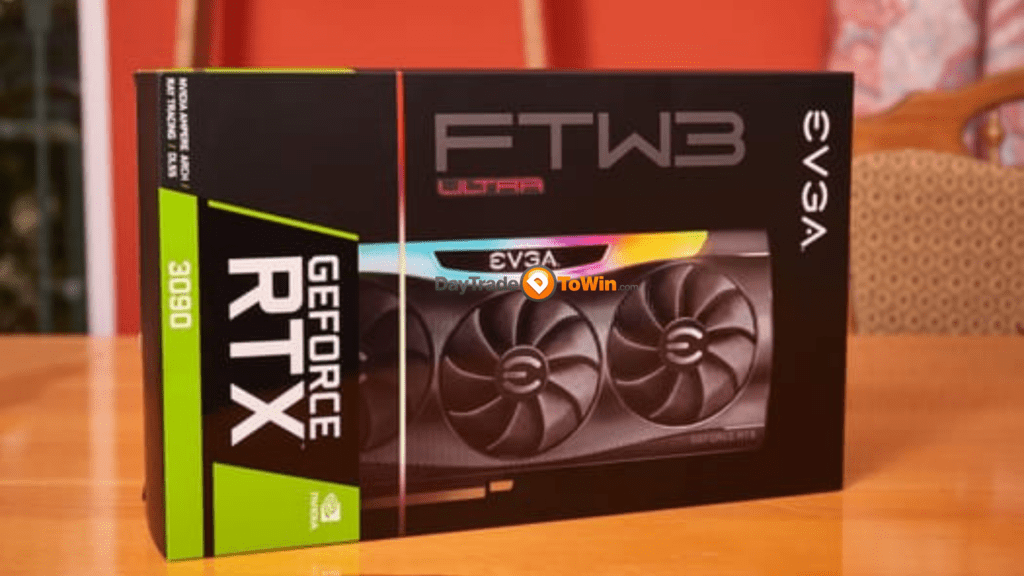
For him, Nvidia, big tech and AI leaders present long-term opportunities, especially when prices dip. “When you get the chance to buy companies you believe in for the next five years — and they’re trading at a discount — you don’t want to miss that,” he said.
Looking out six to twelve months, Mayfield remains optimistic. While the recent rally has left stocks looking a bit overbought, he sees positive momentum not just in tech but across cyclical sectors including consumer, financials, and industrials. “We’re in a risk-on environment,” he noted. “From the April lows, we’ve seen leadership return to the Magnificent Seven and other AI-linked stocks.”
He does caution, however, that risks remain. A market bubble, akin to the one in the late 1990s, can’t be ruled out. “If ChatGPT was the modern ‘Aha’ moment, we may still have runway before hitting those excesses — but the comparison is worth keeping in mind,” he said.
Valuations are another concern. “Markets tend to get into trouble when prices are stretched. We’re near that point,” he warned. A shift in trade policy or tariffs under a future Trump administration could also trigger renewed volatility. “Investors should be prepared for more turbulence — potentially at levels we haven’t seen since the pandemic.”
One key difference in this market cycle, Mayfield argues, is the emergence of more consistent retail investor participation. In recent weeks, individual investors have stepped in to buy the dip while institutional players remained cautious. “There’s been a real shift — retail investors are becoming more disciplined, contributing regularly to retirement accounts and staying invested,” he said. “It’s changing how we think about the divide between so-called ‘smart money’ and ‘dumb money.’”
Still, the durability of that retail resilience remains uncertain. “The past decade has seen a number of short-lived bear markets. Dip-buying has worked — and fast. Eventually, that playbook will get tested in a deeper, more sustained downturn,” Mayfield said.

John Paul is the founder of DayTradeToWin, a trading education and software company established in 2008, supporting traders worldwide. His expertise focuses on price action-based futures trading strategies and structured market analysis.
DayTradeToWin delivers trading education, indicators, and software tools designed to help traders apply disciplined, rule-based decision-making across global futures markets.
He is the creator of multiple trading methodologies, including the Sonic System, Atlas Line, and Trade Scalper, which help traders identify structured opportunities in markets such as the E-mini S&P 500 (ES), Nasdaq (NQ), crude oil (CL), and gold (GC).
Official website: https://daytradetowin.com