market
Market News

Market Trends Point to a December Cut

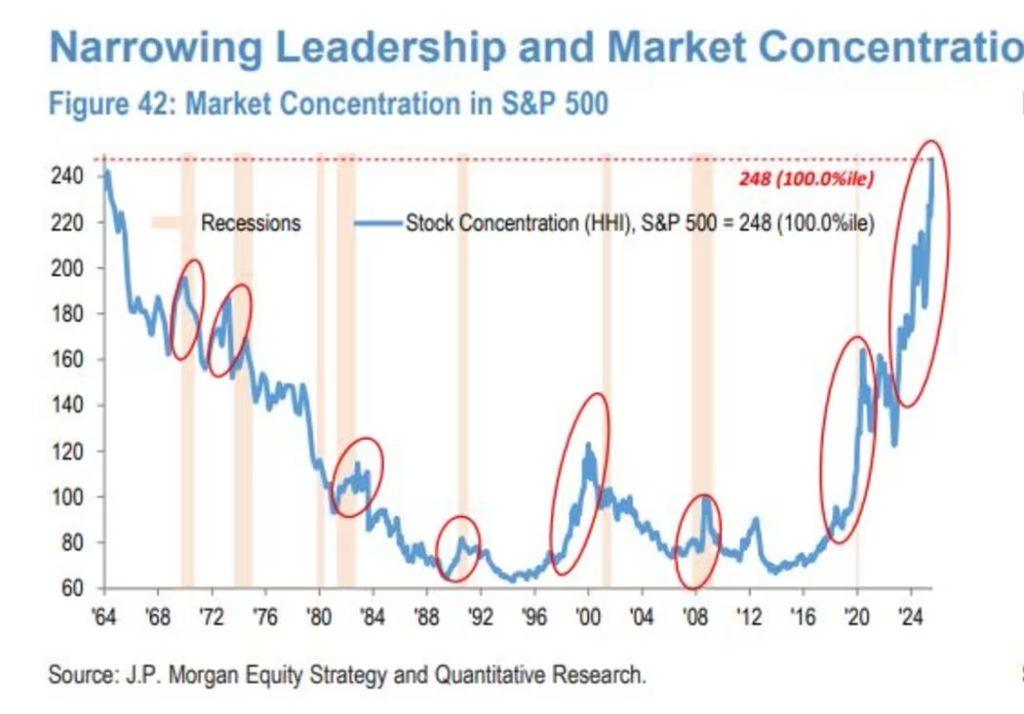
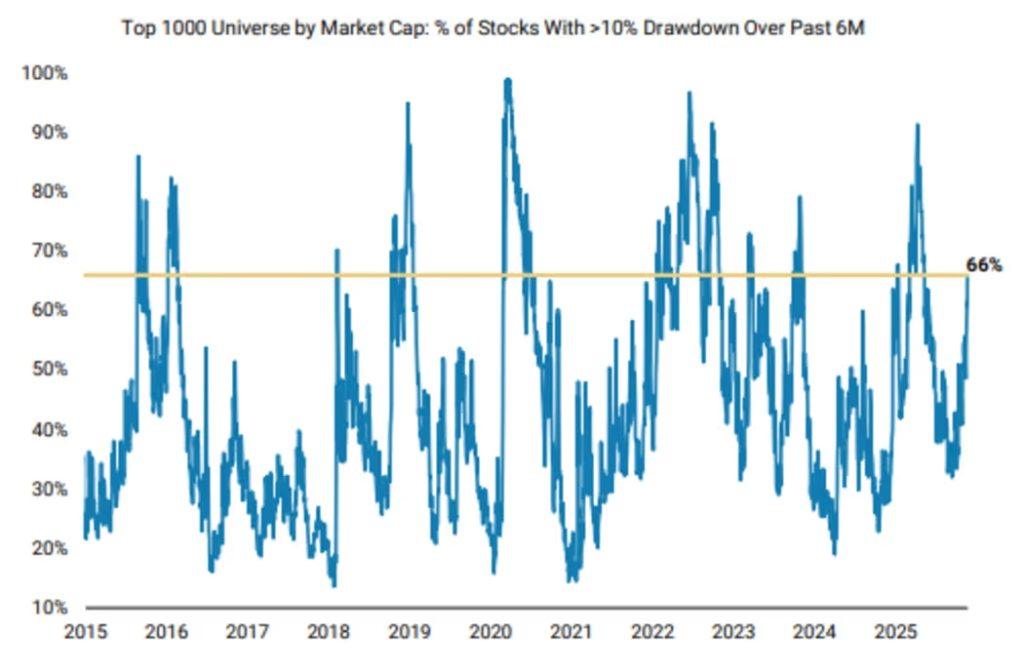
Market weakness and shrinking liquidity make a December Fed rate cut more likely, says Morgan Stanley’s Mike Wilson Equity markets have been under pressure as the Fed’s recent dovish messaging and tightening liquidity weigh on investor confidence and returns. Yet Morgan Stanley’s chief equity strategist Mike Wilson sees the pullback as an opportunity—not a warning. Wilson argues that the recent dip actually strengthens his bullish 12-month outlook and supports his long-standing “rolling recovery” thesis. In last week’s strategy note, his team outlined a contrarian view heading into 2026, projecting the S&P 500 to reach 7,800, supported by 17% EPS growth, outpacing Wall Street’s current 14% forecast. Why Wilson remains optimistic Morgan Stanley’s constructive stance is anchored in several trends: What’s behind the recent market softness Wilson points to two key pressures: While the S&P 500 has only slipped around 5% from its highs, the underlying damage is far deeper: two-thirds of the largest 1,000 stocks are down more than 10%, Morgan Stanley notes. Why the weakness may trigger a Fed cut Wilson believes this combination of tighter liquidity, broader asset weakness, and softer labor trends could actually increase the odds of a December rate cut, as the Fed aims to get ahead of a potential slowdown. This scenario, he says, strengthens the medium-term upside for equities. Where Morgan Stanley sees opportunity now Notably, the firm is steering clear of megacap tech. The Mag7 could still “catch down” to the market’s broader pullback, and underlying economic trends favor other areas. The sectors Morgan Stanley highlights include: The shift toward consumer discretionary is especially notable after years of underweighting the sector. Small caps also stand out, showing the strongest upward inflection in earnings projections.

market
DayTradeToWin Review

Holiday Markets Set Up a Santa Rally

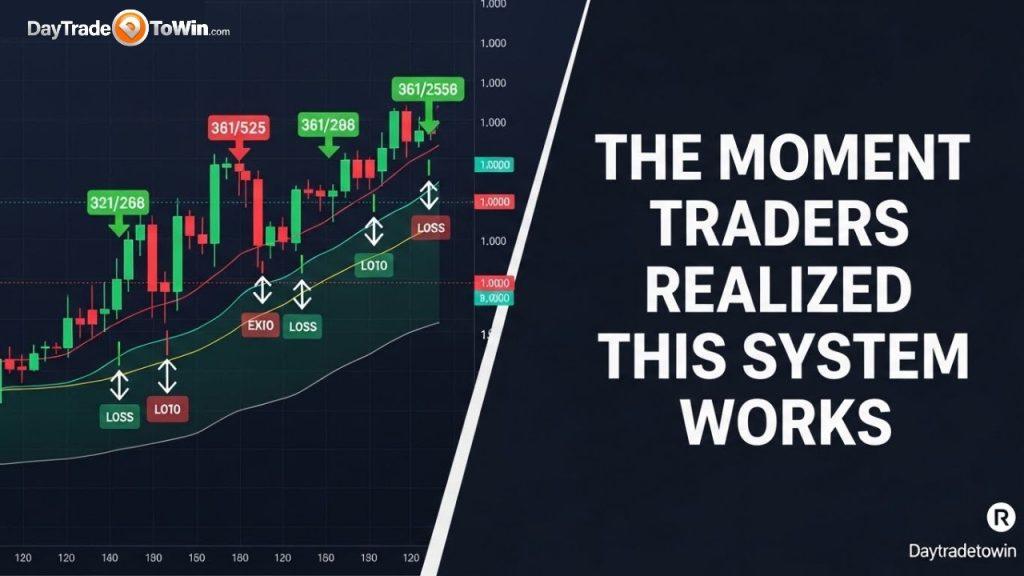
As we wrap up Friday, November 21st, the market is shifting into its usual Thanksgiving-week slowdown. Lighter volume and a “holiday feel” are setting in, but don’t mistake that for a lack of opportunity—this week’s price action is already giving us clues about what’s coming next. Before we jump in, a quick reminder: Trading involves risk. Only trade with money you can afford to lose. Support, Resistance & a Critical Retest On the E-Mini S&P 500 daily chart, the market dipped into a key support area, retesting the exact level of a previous major low. The reaction? A clean bounce and a reversal today—classic price action. Markets naturally revisit previous highs and lows, and this week was no different: While the market could dip slightly again, the overall structure hints that something bigger may be forming. Is the Santa Claus Rally Setting Up Early? As we head into the final stretch of the year, the seasonal Santa Claus Rally becomes a major theme—and this year’s chart suggests the market may be preparing for exactly that. The key level to watch:👉 6737–6740 A close above this zone would likely signal: It may not happen next week, but the price action is aligning with the typical year-end bullish pattern. ATR Spike = Huge Opportunity for Day Traders One standout signal this week? The Average True Range (ATR) is hovering around 140 points, which means the market is producing large, directional moves. High ATR days typically bring: Expect Monday and Tuesday to continue offering 100+ point ranges, giving day traders plenty of room to work with. Sonic System & Big Range Days: A Powerful Combo Large ranges allow systems like the Sonic System to truly shine. On big-trend days, you don’t get the constant long-short flip. Instead, you typically see: Examples from the chart: This is the advantage of trading during high-range sessions: clearer structure and smoother trades. Thanksgiving Week Trading Plan Here’s the mindset heading into next week: ✔ Watch for a close above 6737–6740 This could trigger the early stages of a Santa Claus rally. ✔ Expect large ranges ATR suggests strong movement—prime for trend trading. ✔ Be selective On trend days, the second or third signal often provides the cleanest entry. ✔ Focus on price action It will always lead indicators. Let the structure guide your decisions. Learn Price Action the Right Way If you want to dive deeper, visit DayTradeToWin.com and create a free member account. You’ll get: Join our community and sharpen your trading skills the right way. Enjoy your weekend, and I’ll see you next week.Good trading! 📈🔥

Wall Street
Market News

Wall Street Faces Its Sharpest Reversal in Months

Wall Street ‘Fear Gauge’ Spikes as AI Trade Loses Momentum What began as a promising Thursday rally quickly turned into a broad market selloff as renewed doubts surrounding the AI trade emerged following Nvidia’s latest earnings results. Nvidia shares initially surged overnight after the company delivered its strongest revenue beat in two years. CEO Jensen Huang said demand for its Blackwell Ultra GPUs was “off the charts,” lifting other AI names in premarket trading. But the enthusiasm didn’t last. By midmorning in New York, stocks—and even cryptocurrencies like bitcoin—were hit with a wave of selling as investors moved into safer assets. Treasury yields fell as buyers piled into bonds. “This is a coordinated risk-off move,” said Mark Hackett, chief market strategist at Nationwide. Sentiment was looking “pretty abysmal,” he added. The Cboe Volatility Index, or VIX, jumped nearly 12% to 26.05, its highest close since April. The market’s reversal was sharp. The S&P 500 logged its biggest intraday swing since April 8, dropping 3.5% from its morning high before closing 1.6% lower at 6,538.76. The Nasdaq Composite fell 2.2%—its worst decline since Nov. 13—while the Dow slipped 0.8%. All three indexes posted their largest blown gains since April. Strategists pointed to several possible triggers. Some warned that Nvidia’s strong results don’t guarantee that Big Tech’s huge AI investments will produce the returns investors expect. Others flagged shrinking liquidity as cash continues leaving the Federal Reserve’s reverse repo facility—a dynamic that tends to pressure risk assets like stocks and crypto. “Simply put, there is much less liquidity in the market today,” said Michael Kramer of Mott Capital Management. And even with Nvidia’s beat, investors may have been expecting more, noted Andy Constan of Damped Spring Advisors. Many traders had hoped Nvidia’s report would revive the market after a difficult November. With that bounce failing to appear—and earnings season coming to a close—Hackett said markets may be facing a “news vacuum” that keeps pressure on stocks. Fed Doubts Add to the Uncertainty Thursday’s labor-market data introduced even more confusion. Fed-funds futures briefly priced in higher odds of a December rate cut after the delayed September jobs report showed unemployment rising to 4.4%, a four-year high. But the report also revealed 119,000 new jobs—much stronger than expected. “The bigger story is uncertainty over the September jobs report,” said Daniel Tenengauzer of InTouch Capital Markets. Several banks have argued the data isn’t enough to confirm labor-market weakness. J.P. Morgan economist Michael Feroli agreed, noting the numbers don’t make a clear case either for or against a December cut. Brian Mulberry of Zacks Investment Management said the Fed is more likely to hold rates steady next month, which could push expectations for future cuts further into 2025. A Rare Rough Patch for Markets The S&P 500 is now down more than 5% from its late-October record, while the Nasdaq has fallen nearly 8%, edging closer to correction territory. Small-cap stocks have fared even worse, with the Russell 2000 down 8.5% from its recent high. At this pace, the S&P 500 is headed for its worst November since 2008. After six straight months of gains through October—its longest winning streak since 2021—the recent pullback may also reflect investors locking in profits before year-end, Nationwide’s Hackett said. Bitcoin dropped 3.5% to $86,337, and Nvidia closed 3.2% lower at $180.64. The Dow held up better than other major indexes, falling 0.8% to 45,752.26. One area of strength: consumer staples. Walmart’s strong earnings powered a 6.5% jump in its stock, lifting the entire sector—the only S&P 500 sector to finish the day in the green.

AI
Market News

AI-powered stock market performance

“This is a truly game-changing technology that will reshape the global economy in the years ahead,” the bank says. On a day when Nvidia delivered blockbuster earnings and guidance, our call of the day argues that investors have officially crossed the point of no return with AI — and that nothing matters more heading into 2026 and beyond. “AI will be the most important macro force in 2026, as traditional drivers like monetary and trade policy fade,” writes Ajay Rajadhyaksha, global chairman of research at Barclays, in the bank’s 2026 outlook, “As Goes AI.” Rajadhyaksha says fears of the AI boom collapsing are overblown and expects the economic expansion to roll on for another year. Barclays has even raised its S&P 500 forecast for 2026 to 7400, up from 7000. Recent market hiccups have stemmed from worries that AI companies may not deliver on massive tech spending, alongside fading hopes for one final Fed rate cut this year. But Rajadhyaksha stresses how real AI’s economic impact already is: roughly 1% of U.S. growth in 2025 came from AI-related investment — from data centers to telecom upgrades and construction. “The scale of this build-out will likely dwarf the telecom boom. The U.S. is in the middle of its largest capex cycle in decades,” he says. AI has also been a powerful engine for investor wealth. Since the end of 2022, AI-linked stocks have driven 75% to 80% of the S&P 500’s earnings and overall performance — even as consumers grapple with trade concerns, job worries and a tough housing market. “Strong wealth gains from AI-sensitive equities are a big reason why. AI spending has fueled investment, and AI stocks have fueled consumption,” Rajadhyaksha notes. The biggest risk? The AI revolution losing steam. With U.S. households holding $45–$47 trillion in equities, a 30% drop in valuations could wipe out about $15 trillion — crushing consumer spending, stalling AI investment, and potentially pushing the economy into recession. Still, Barclays sees the analogy to the dot-com bust as overstated. Markets have recovered from every AI scare — including DeepSeek — and hyperscalers continue to show strong margins as real use cases multiply. Barclays forecasts 2.1% U.S. growth next year, helped by fading tariff drags and fresh fiscal support from the One Big Beautiful Bill. They do not expect large AI-driven job losses; instead, they see productivity gains driving the next year of growth. So how should investors position for the AI era?Barclays is turning positive on the entire technology, media and telecom sector, citing secular AI-driven growth, heavy capex, and double-digit gains in cloud and digital advertising. Other themes they favor include: Sectors likely to lag the S&P 500: consumer, commodity-linked and healthcare, due to firm inflation, oversupply and regulatory pressure. Style-wise, Barclays favors growth over value, driven by tech-led earnings strength. They also recommend exposure to 2-year Treasurys, expecting Fed cuts to remain in play. Internationally, Chile, Peru, Australia and South Africa stand to gain from rising demand for metals and critical minerals powering the AI boom.

sonic
DayTradeToWin Review

Longs to Shorts: Sonic Nails the Trend

Traders, Wednesday’s session was a perfect showcase of what pure price-action trading can deliver — especially when you’re running the Sonic System. If you were watching closely, today offered a steady flow of clear, high-probability setups from the open all the way into the afternoon. Here’s the full breakdown. A Strong Start: Early Long Signals Hit Back-to-Back Right after the market opened, momentum pushed upward — and the Sonic System mapped it out perfectly. As always, waiting a few minutes after the bell helped avoid early volatility. Once things settled, the long signals began firing: The trend kept pushing higher, delivering multiple long opportunities. Whether you’re using the Sonic System, Atlas Line, or Trade Scalper, members saw the same directional confirmation across the board. You didn’t need to take every single trade — just two or three solid entries would’ve been enough to call it a profitable morning. Trend Reversal: Clean Short Setups Take Over Eventually, the market flipped. Price slowed, reversed, and the Sonic System immediately picked up the shift. What followed was a series of short trades, again confirmed by the Trade Scalper: Even into 12:30 PM New York time, the short side was the place to be — as long as price remained below the filter. This is exactly how trend trading should look: simple, clean, and rule-based. Why Combining Systems Works So Well When you use the Sonic System together with: …you get something powerful: confirmation. One tool showing a long is good.Two tools agreeing? Even better. That’s how traders build confidence in each entry — by stacking methods that read the market the same way. Price Action Always Wins Today was a textbook reminder that price action beats conventional indicators. No lag No overcomplication No guessing. Just clear entries based on how the market is truly moving. Ready to Learn or Upgrade? Visit daytradetowin.com and set up your free member account. You’ll get access to software trials, including the ABC system, plus helpful training to guide you through the basics. And yes — Black Friday deals are officially on, with major savings on all software for NinjaTrader and TradingView. If you’ve been waiting to upgrade your tools or join Accelerated Mentorship, this is the best time. See you in the next session — trade smart, stay disciplined, and follow the signals.

investors
Market News

Investors Turn Cautious as Warnings Flash

Stephanie Guild, chief investment officer at Robinhood Markets, says retail investors are staying remarkably calm despite recent volatility. Even with stocks under pressure and Nvidia earnings looming large, she hasn’t seen signs of panic—no surge in margin calls, no rushed selling. Guild oversees $1 billion for 180,000 long-term clients and authors a weekly market blog. She views the recent pullback as “healthy,” though she would have preferred it earlier in the fall. Her biggest worry: overcrowding in mega-cap tech, especially Nvidia and AI-related names. A correction there, she says, could ultimately set the stage for a stronger, more sustainable rally. In October, her team trimmed tech exposure, added healthcare, and boosted T-bill allocations. Friday’s volatility felt like the market’s “third warning,” prompting another round of profit-taking in tech and more capital shifting into T-bills. With few high-conviction ideas left on the table, Guild believes patience—and holding steady in safer assets—is the smart move. Still, she sees opportunity. Undervalued Chinese tech could reaccelerate as the country builds solutions to U.S. chip restrictions. She also likes industrials and defense companies positioned to benefit from government-driven capex. Guild says U.S. tech isn’t a blanket buy anymore: “It’s a stock-picker’s market.” Her team maintains solid exposure to Alphabet and grew more positive on Apple in September. She also views Gap as a defensive retail bet if consumers turn cautious. Retail investors, she argues, deserve more credit. They buy dips, trim gains, and look for companies with long-term potential—names like Opendoor Technologies, where they see underestimated growth ahead. But one area worries her: private credit. Echoing concerns from market veterans, Guild says the asset class lacks transparency, and it’s unclear which institutions could be exposed if cracks appear. What once looked like an appealing yield alternative in a zero-rate world could soon reveal risks the market hasn’t fully priced in.

Scroll to Top