sonic
DayTradeToWin Review

🚀 Sonic Signals: Catch Short Trades Like a Pro

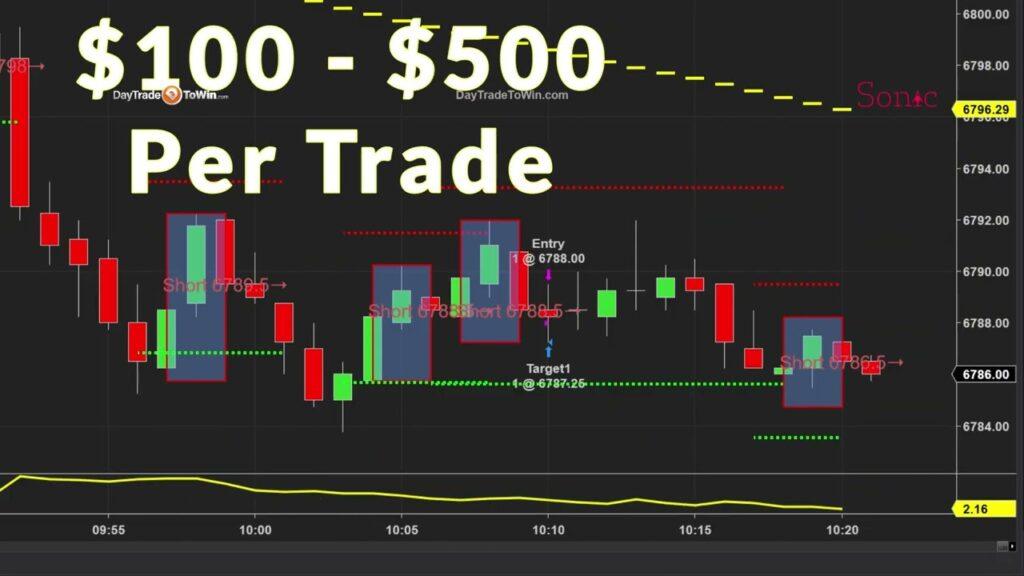
All right, traders — let’s talk about opportunities.Today’s live session was a perfect example of why you don’t need complicated indicators or guesswork to win trades. It’s Thursday, and the market gave us multiple short setups — one after another. When you see several methods all signaling the same direction, that’s when you act. The Sonic System made that crystal clear today. Precision Trading Made Simple Trading success isn’t about chasing every move. It’s about knowing when to enter, where to exit, and how much to risk.With the Sonic System, it’s all laid out for you. Using the average true range, our traders aim for small, achievable goals that add up over time. No confusion. No overcomplication. Just consistent setups and repeatable results. “Here’s the stop, here’s the target — a clean 2–3 point trade. Target hit. That’s how we do it!” Trade Confidently on Any Platform Whether you prefer NinjaTrader or TradingView, the Sonic System gives you a clear view of the market.When multiple short signals appear, that’s your opportunity — and our traders took full advantage. Four to five trades before noon. Profitable. Controlled. Done for the day. That’s what smart trading looks like. Learn the System. Trade with Confidence. At DayTradeToWin, we combine live trading, one-on-one training, and powerful proprietary software to help you trade with confidence and consistency. Here’s what you’ll get:✅ Access to the Sonic System – Our signature short-term trading strategy.✅ Live Mentorship – Learn directly from experienced traders.✅ Free Member Account – Try our tools, including the ABC Software, at no cost.✅ Accelerated Mentorship – Get instant access to all our software and training resources. Right now, we’re offering limited-time discounts and exclusive bonuses for new members. 🎯 Start trading the right way — with precision and confidence.Visit DayTradeToWin.com to create your free account, access live trials, and see how real traders use price action to win every day.

tesla
Market News

Tesla Bounces Back: Investors Bet on Robotaxi Future

Tesla Shares Rebound as Focus Shifts from Cars to Robotaxis and AI Tesla stock regained some lost ground Wednesday after a sharp drop on Tuesday, when investors were left underwhelmed by the company’s unveiling of cheaper Model 3 and Model Y trims — updates that fell short of the market’s hopes for entirely new models or deeper price cuts. The midweek rebound wasn’t just bargain hunters buying the dip. Wall Street’s focus on Tesla is increasingly shifting beyond electric vehicles toward its ambitions in autonomous driving, humanoid robots, and a future robotaxi network — ventures many see as the company’s next big profit drivers. Reinforcing that bullish narrative, Tesla rolled out a new Full Self-Driving (FSD) update promising “overall improvements” in smoothness and confidence. The update also introduced a new driving mode called “Sloth”, designed to operate more cautiously at lower speeds with gentler lane changes. Although Tesla still requires driver supervision when using FSD, the technology continues to draw both investor excitement and regulatory scrutiny. Critics argue the branding overstates the system’s current capabilities, but analysts remain optimistic about its long-term potential. Earlier this week, Stifel analysts raised their Tesla price target to $483 from $440, citing the company’s continued FSD progress and expanding robotaxi vision. They expect a U.S. launch of “Unsupervised FSD” — a fully autonomous version — could arrive as early as next year, though a mid-term timeline seems more realistic. Looking ahead, analysts see Tesla’s robotaxi network as a potential game-changer, one that could significantly boost revenue and reshape the company’s financial outlook by late 2026. Still, Tuesday’s event underscored Tesla’s balancing act — appealing to mainstream buyers with affordable EVs while convincing investors its true future lies in AI-driven mobility and robotics.

AI
Market News

Goldman Warns: Competition Could Cool the AI Craze

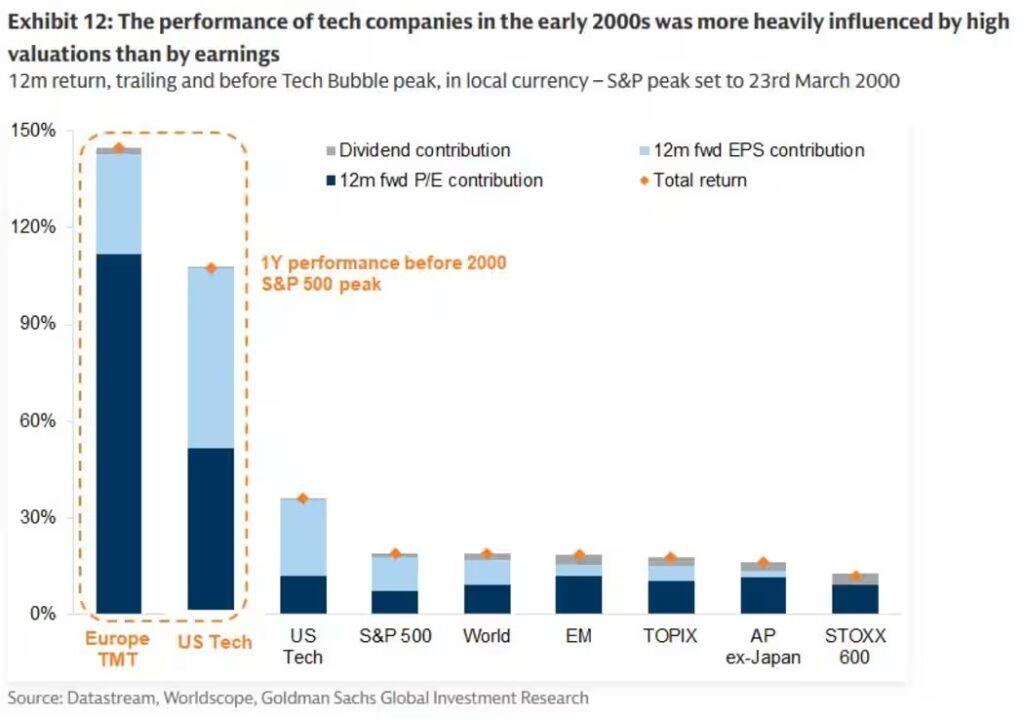
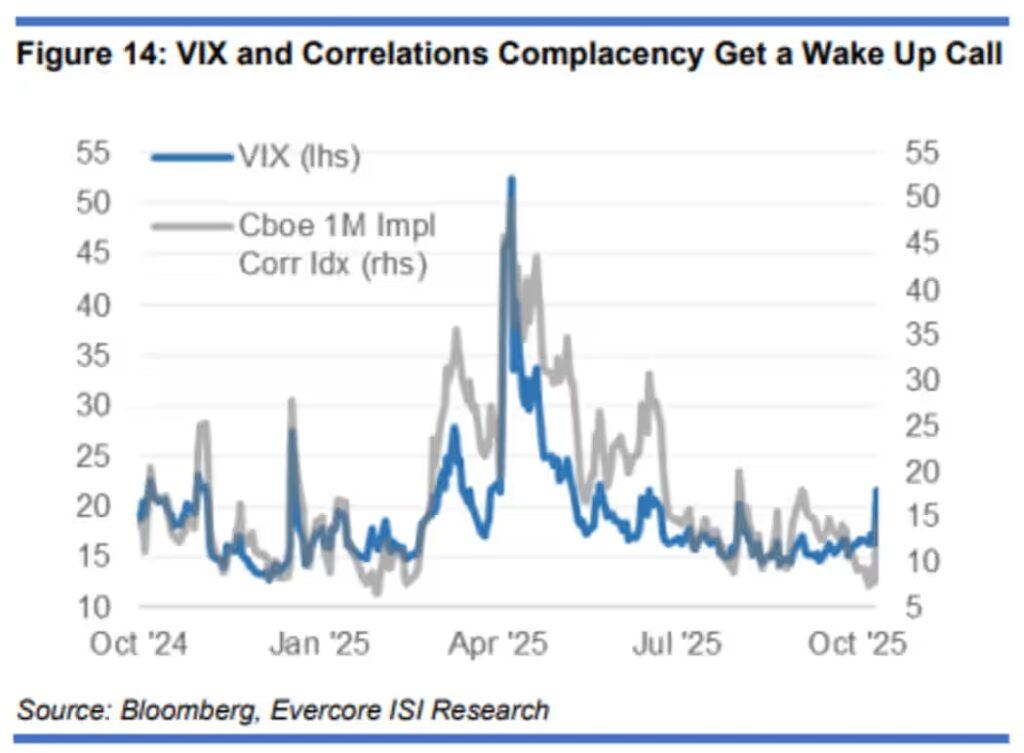
Competition Could Be the Biggest Threat to the AI Tech Boom Stocks are eyeing a rebound after Tuesday’s tech-driven selloff sparked by mounting concerns over AI spending — fears that even found their way into a recent Bank of England report. But is this the start of a bubble, or just another pause in a powerful rally? Goldman Sachs strategists don’t see a bursting bubble just yet. In a note led by chief global equity strategist Peter Oppenheimer, they argue that today’s AI boom differs sharply from past speculative frenzies. “Bubbles form when stock prices and valuations soar far beyond the future cash flows companies can realistically deliver,” Oppenheimer explained. “This time, much of the growth in leading tech names is grounded in strong fundamentals and real profit expansion — not hype.” Goldman points out several distinctions from the dot-com era: Still, the firm warns that competition could emerge as the biggest challenge to the AI narrative. “The AI space is currently dominated by a few incumbents,” Goldman noted. “But every major innovation cycle invites new players — just as none of the S&P 500’s top 10 companies from 1985 stayed in the top 10 by 2020.” That influx of competitors could reshape the sector, creating new winners while pressuring today’s leaders. Goldman advises investors to stay diversified, as the benefits of the AI revolution are spreading across industries — from capital goods and energy to real estate and transport — all supported by Big Tech’s infrastructure buildout and rising global capex spending. In short: while the AI boom isn’t a bubble yet, the real test will come when competition heats up and the market decides who the long-term winners truly are.

news
DayTradeToWin Review

News Moves Markets — Trade It the Right Way

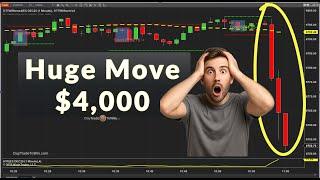
Every trader knows that when big news hits — like FOMC meetings, jobs data, or Fed speeches — the market can explode in either direction. Prices surge, volatility spikes, and emotions run wild. The question is: how do you trade it without getting trapped by the crowd? At DayTradeToWin, we’ve helped thousands of traders learn how to stay calm, read reactions, and turn market chaos into trading opportunities. Here’s how. Why News Events Matter for Traders Economic news moves markets. From manufacturing data to consumer confidence and Fed minutes, these reports trigger massive buying and selling — often within seconds. That’s why we include a News Indicator in most of our software, plus a free Economic News Calendar. Both give you instant insight into upcoming events so you can plan ahead. Watch for those red-label, high-impact reports — they’re the ones that tend to shake the market most. Pro Tip: Always check the calendar before trading. News tends to hit at 8:30 a.m., 10:00 a.m., 12:30 p.m., or 2:00 p.m. ET, when volatility spikes. If you’re trading during those times, expect fast moves — and be prepared. Why Most Traders Lose During News Events When a big report drops, most traders react emotionally.They chase price — setting bracket orders above and below current levels, thinking they can catch the breakout. But here’s what really happens: Sound familiar? It’s the most common trap in trading — reacting too soon instead of waiting for confirmation. The Smarter Strategy: Wait for the Reaction, Then Trade the Reversal Instead of guessing what the market might do — wait to see what it actually does. When a news event hits, look for a reaction candle — a large bullish or bearish move caused by emotional traders jumping in.Then, pause. Let that candle complete and watch how price behaves next. If there’s no follow-through, that’s your signal.Once the market breaks the low (or high) of that reaction candle, it’s often the start of a powerful reversal — the kind that catches everyone off guard. Why does this work? Because all those traders who bought the “good news” or sold the “bad news” are now trapped — and forced to exit, fueling the opposite move. That’s where experienced traders step in. “Don’t follow the crowd. Let the market overreact — then trade the reversal.”— DayTradeToWin Mentorship Team Real Example: Turning Traps Into Trades Take the E-mini S&P, for example. After a strong bullish candle on the one-minute chart (often triggered by news), the market pauses — then drops sharply. That sudden reversal isn’t random. It’s the result of trapped traders being forced to sell out of losing positions, driving price in the opposite direction. If you’re patient enough to wait, that’s your edge. Learn the Right Way to Trade the News Trading the news successfully isn’t about predicting headlines — it’s about reading reactions. That’s what we teach in our Accelerated Mentorship Program, a complete training designed for traders who want results.You’ll get: And yes — you can start free. 🎯 Sign up for a Free Member Account at DayTradeToWin.com.You’ll get instant access to: Plus, use code: SPOOKY15 for 15% off your next enrollment — limited time only. Final Thoughts When it comes to news events, patience and precision beat speed every time.Let the crowd chase — you wait for clarity. That’s how professional traders win. 👉 Join DayTradeToWin today and learn how to trade with confidence, even when the market goes wild.

amd
Market News

AMD x OpenAI: The Next AI Chip King?

Jefferies analysts have flipped bullish on Advanced Micro Devices (AMD) — upgrading the stock to buy after its sharp rally driven by a new partnership with ChatGPT creator OpenAI. The research note sounded almost like a mea culpa. “We rarely do this,” admitted analysts led by Blayne Curtis. “We raised estimates and our [price target] last week following positive server checks but couldn’t triangulate the AI ramp.” That ramp came into focus after OpenAI agreed to purchase up to 6 gigawatts of AMD chips, a move Jefferies says could generate well over $100 billion in revenue potential. AMD has said each gigawatt equates to “double-digit billions” in value. OpenAI’s buying spree doesn’t stop there — the company is also investing heavily in Nvidia, Oracle, Hynix, and Samsung, as it races to secure massive computing capacity for its growing AI infrastructure. “While none of these deals are binding, they highlight just how massive OpenAI’s AI compute ambitions have become,” Jefferies wrote. “This is a land grab — not just for GPUs, but for gigawatts of data center power. There’s still a lot to sort out, but what’s clear is that AI spending is accelerating from here.” Jefferies lifted its price target to $300 from $170, now the most optimistic on Wall Street, according to FactSet. Other analysts may soon have to follow suit: Goldman Sachs’s target remains at $150, while Deutsche Bank and Wedbush sit below AMD’s recent close of $203.71. AMD shares jumped 23.7%, a six-standard-deviation move, according to MarketWatch — its second-biggest percentage gain this year, narrowly trailing the 23.8% surge on April 9.

market
DayTradeToWin Review

Master Market Retracements: The 50% Rule Explained

When the market pulls back, most traders panic. Smart traders see opportunity. At DayTradeToWin, we teach traders how to spot these moments using a clear, rule-based approach — no guessing, no cluttered indicators. If you’ve been watching the E-mini S&P 500 hit new highs, here’s how you can take advantage of the next move. Step 1: Identify a New High Whether it’s the E-mini, Dow, or Russell, the process is the same.First, confirm the market has made a new high. Then, wait for at least three to four red candles (days) showing a real retracement — not sideways chop, but a solid pullback. This signals momentum cooling and potential opportunity ahead. Step 2: Use the 50% Retracement Rule Now, here’s the secret.When price starts to climb again, draw a quick 50% retracement line from the high to the low of the pullback.Once the market breaks above the midpoint, it’s time to act. ✅ Let the candle close above the 50% level✅ Enter on the next session’s open✅ Aim for the previous high — markets love to retest highs This simple technique has repeated itself for years. Why? Because markets are built to test prior highs before deciding their next move. Step 3: Watch for the “Pop” When price breaks a high, you’ll often see a quick pop — a burst of buying as short traders get stopped out. These moves can easily produce 20 to 30 points or more on the E-mini. This is pure price action trading — no lagging indicators, no confusion, just clean market logic. Start Learning for Free Want to see this in action?👉 Create your free member account at DayTradeToWin.com Your free access includes: It’s time to trade with precision, not emotion.Learn to read what the market is actually doing — and trade confidently into the next move. 📈 Join today at DayTradeToWin.comStart learning the right way with real price action strategies that work.

Scroll to Top