
intraday trading

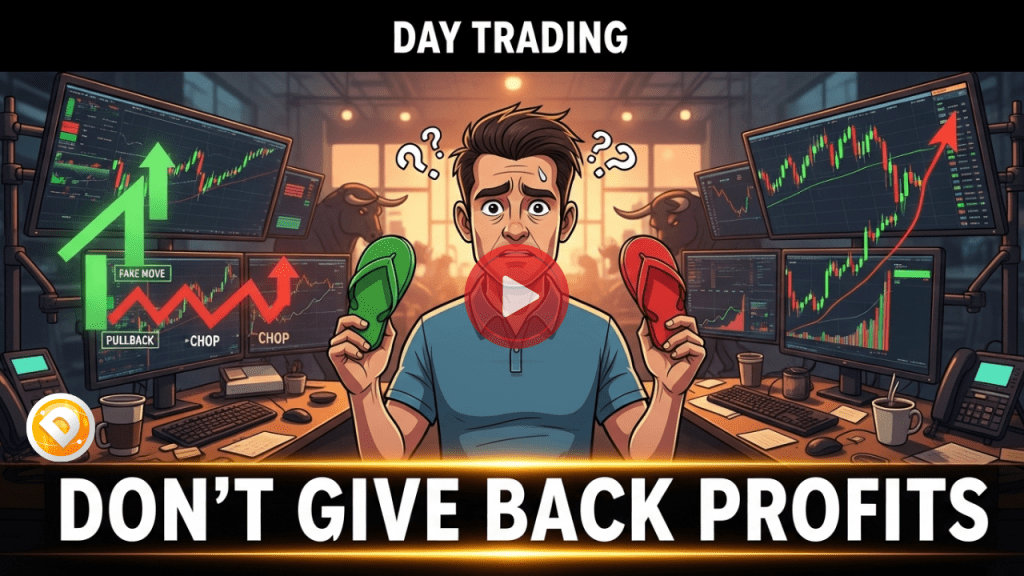
Don't give back your profits when trading
Trading Strategies

Why Smart Traders Wait for the Breakout (Instead of Getting Trapped in the Range)

When the market opens, most traders immediately feel pressure to act. Price is moving. Signals are appearing. Momentum looks like it could go either way. But here’s the reality: 👉 Not every move is worth trading In fact, some of the worst trading decisions happen during range conditions — when price moves up and down without clear direction. ⚠️ The Trap: Getting Stuck in the Range One of the fastest ways to lose consistency is this cycle: This is exactly what happens when traders try to force trades before direction is confirmed. 👉 The result is not just losses — it’s giving back profits unnecessarily 🧠 The Smarter Approach: Wait for the Break Instead of reacting to every movement, experienced traders do something different: 👉 They wait They allow the market to: Then, and only then, they act. A simple rule: 👉 “Wait for multiple signals in the same direction before entering.” 📈 Confirmation Changes Everything When multiple systems begin aligning in the same direction, that’s when traders gain an edge. A full breakdown of how confirmation works can be found here:👉 https://daytradetowin.com The edge doesn’t come from guessing. It comes from confirmation. When multiple tools align in the same direction, probability improves significantly. This includes: When these begin producing repeated signals in one direction, the market is no longer uncertain. 👉 It’s revealing intent. 🔍 Why Closing Prices Matter More Than Indicators Many traders rely on: But those often create noise. A more structured approach focuses on: 👉 Closing prices and signal progression When you see: That’s when confidence builds. 📊 Let Volatility Define Your Trade (Using ATR) Not every trade should have the same target. Markets change — and your expectations should adjust with them. This is where ATR (Average True Range) becomes essential. Example: 👉 You trade what the market gives you, not what you want from it 🛑 Risk Control Is Always First Even strong setups can fail. That’s why every trade must include: 👉 The goal is not perfection — it’s consistency ⚡ Friday Trading: Less Is More Fridays require a different mindset. After a strong week, the priority shifts: 👉 Protect profits — don’t chase more Smart traders: There’s no advantage in staying in the market all day. 🎯 Focus on High-Quality Trades Only You don’t need more trades. You need better trades. That means: 👉 One solid trade can outperform multiple random ones 🚀 Final Takeaway Trading isn’t about constant action. It’s about timing, patience, and discipline. If you want to improve consistency: Most importantly: 👉 Don’t give back what the market already gave you Frequently Asked Questions 📚 ABOUT DAYTRADETOWIN DayTradeToWin provides structured, rule-based trading strategies focused on confirmation over prediction. Tools include: Available for NinjaTrader and TradingView. 👉 https://daytradetowin.com ⚠️ EDUCATIONAL DISCLAIMER This content is for educational purposes only and not financial advice. Trading involves risk, and results are not guaranteed. John PaulJohn Paul is the founder of DayTradeToWin, a trading education and software company established in 2008, supporting traders worldwide. His expertise focuses on price action-based futures trading strategies and structured market analysis. DayTradeToWin delivers trading education, indicators, and software tools designed to help traders apply disciplined, rule-based decision-making across global futures markets. He is the creator of multiple trading methodologies, including the Sonic System, Atlas Line, and Trade Scalper, which help traders identify structured opportunities in markets such as the E-mini S&P 500 (ES), Nasdaq (NQ), crude oil (CL), and gold (GC). Official website: https://daytradetowin.com daytradetowin.com
How DayTradeToWin Breakdown Signals in Action
Prop Firm Trading, Trading Software

Futures Trading Strategy: How to Identify High-Probability Trades Across MES, MNQ & MCL

A Real Example of Signal-Based Trading Across Multiple Markets In today’s session, we review how traders approached three different futures markets using price action and signal confirmation. Markets analyzed: The objective is not prediction — it’s alignment. The Real Problem: Conflicting Signals One of the biggest challenges traders face is conflicting information. Charts can show: Without structure, this leads to hesitation and poor execution. The Rule: Trade Only When Everything Agrees The approach demonstrated in this session is simple: 👉 Only trade when all systems agree. Using: Traders were able to filter out noise and focus only on clear setups. MES & MNQ: Consistent Short Opportunities Both MES and MNQ showed: This is ideal trading structure. Instead of switching direction, traders stayed aligned with: ✔ Repeated confirmation✔ Trend continuation✔ Clear execution points Oil Market: A More Dynamic Environment Oil presented a different challenge. The session included: This reinforces an important concept: 👉 You must adjust to the market — not force your bias. By waiting for clear signal grouping, traders avoided confusion and found clean entries. Quality Over Quantity You don’t need to trade every move. In fact: 👉 Overtrading leads to inconsistency. Focus instead on: Even a few trades can produce meaningful results when executed properly. 🎯 Start Using Structured Signals 👉 https://daytradetowin.com Access includes: Works on NinjaTrader and TradingView. ⚠️ Disclaimer Trading futures involves substantial risk and is not suitable for all investors. ❓ FAQ What is signal confirmation in trading?It means multiple systems or indicators agree on the same direction. Why trade MES, MNQ, and MCL?These markets offer strong liquidity and consistent intraday opportunities. How do I avoid bad trades?Avoid trades when signals conflict or direction is unclear. Is price action better than indicators?Price action combined with confirmation tools provides more structured decisions. About Day Trade To Win Day Trade To Win develops trading software and educational resources for futures traders using structured, rule-based strategies. Their approach focuses on: Core tools include: Designed for use on NinjaTrader and TradingView, these systems help traders remove guesswork and improve consistency. Official website:https://daytradetowin.com John PaulJohn Paul is the founder of DayTradeToWin, a trading education and software company established in 2008, supporting traders worldwide. His expertise focuses on price action-based futures trading strategies and structured market analysis. DayTradeToWin delivers trading education, indicators, and software tools designed to help traders apply disciplined, rule-based decision-making across global futures markets. He is the creator of multiple trading methodologies, including the Sonic System, Atlas Line, and Trade Scalper, which help traders identify structured opportunities in markets such as the E-mini S&P 500 (ES), Nasdaq (NQ), crude oil (CL), and gold (GC). Official website: https://daytradetowin.com daytradetowin.com

DayTradeToWin Review

Unlocking the Potential of Intraday Trading: Navigating the Fast-Paced World of Day Trading

In the ever-evolving landscape of finance, new strategies continuously emerge, reshaping the way we approach markets. Among these strategies, Intraday Trading has gained prominence as a dynamic and fast-paced approach that captures short-term market moves. In this comprehensive guide, we delve into the core concepts, strategies, and benefits of intraday trading. Intraday trading, commonly referred to as day trading, involves the purchase and sale of financial assets within a single trading day. Unlike traditional investing, where positions are held for prolonged periods, intraday traders capitalize on rapid price fluctuations. Their goal is to seize short-term opportunities and leverage market movements for potential profit. Why Opt for Intraday Trading? Leveraging Short-Term Price Movements: Intraday traders closely analyze price charts and employ technical analysis tools to pinpoint optimal entry and exit points. This strategy enables them to capitalize on both upward and downward price swings, making the most of market volatility. Actionable Insights: Constant monitoring of price movements offers valuable insights into market trends and patterns. This continuous observation empowers traders to better comprehend how securities behave within a single trading session, enhancing decision-making and refining trading strategies. Increased Liquidity: Intraday trading adds liquidity to the market as traders actively buy and sell throughout the day. This heightened trading volume fosters a more dynamic market environment, facilitating seamless trade execution and mitigating transaction costs. ⚖️ Effective Risk Management: By closing positions before the trading day ends, intraday traders evade the risks associated with overnight news or events that might impact security prices. Tight stop-loss orders further protect their capital from potential losses. Mastering the Basics of Intraday Trading For newcomers to the stock trading universe, intraday trading may appear intricate at first glance. However, at its core, it involves buying and selling stocks within the same trading day. Intraday traders strive to exploit short-term price movements, seeking profits through rapid and calculated trades. Buying and Selling Stocks in One Day: Intraday trading entails executing trades within the span of a single trading day. Traders meticulously analyze stock prices, historical performance, and indicators to make well-informed decisions. They establish long positions (anticipating price rise) or short positions (anticipating price drop) and place orders accordingly. Technical Analysis and Indicators: Technical analysis plays a pivotal role in intraday trading. Traders leverage various indicators and chart patterns to assess price movements and identify potential entry and exit points. Moving averages, Bollinger Bands, and the Relative Strength Index (RSI) are commonly used tools to evaluate trends and volatility. Strategies for Success: Intraday traders adopt diverse strategies to navigate the market: Pros and Cons of Intraday Trading Pros: ✔️ High Profit Potential: Successful strategies can lead to substantial gains. ✔️ Mitigated Overnight Risk: Positions are closed before market closure, reducing exposure to overnight events. ✔️ Higher Intraday Leverage: Traders can access more leverage and increase potential returns. Cons: ❌ Inherent Risk: Trading involves risk, and not all traders achieve success. ❌ High Capital Requirements: Complying with regulations necessitates a substantial account balance. Embarking on Your Intraday Trading Journey Intraday trading offers exciting opportunities for those who master its techniques and strategies. As you venture into this fast-paced world, it’s crucial to build a solid foundation of knowledge, refine your strategies, and practice prudent risk management. Seek guidance from seasoned traders and financial advisors to navigate the complexities and maximize your chances of success. Remember, intraday trading is a journey that demands patience, perseverance, and continuous learning. By harnessing the power of short-term market movements, you can potentially unlock a pathway to financial growth and empowerment. John PaulJohn Paul is the founder of DayTradeToWin, a trading education and software company established in 2008, supporting traders worldwide. His expertise focuses on price action-based futures trading strategies and structured market analysis. DayTradeToWin delivers trading education, indicators, and software tools designed to help traders apply disciplined, rule-based decision-making across global futures markets. He is the creator of multiple trading methodologies, including the Sonic System, Atlas Line, and Trade Scalper, which help traders identify structured opportunities in markets such as the E-mini S&P 500 (ES), Nasdaq (NQ), crude oil (CL), and gold (GC). Official website: https://daytradetowin.com daytradetowin.com

Scroll to Top