

stock market

bull market
Market News

Bear vs. Bull: Probing the Persistence of Bearish Sentiments Amidst U.S. Stock-Market Surge

The momentum remains upbeat in the U.S. stock market as we enter the second half of 2023. This has generated optimism among investors, particularly with the technology-focused Nasdaq 100 index experiencing a 42% increase this year. On the other hand, cautious investors closely observe the situation, awaiting the inevitable decline and fading of the current market momentum. There has been a significant increase in the divide between those who believe that the stock market has the potential to grow (referred to as the bulls) and those who predict a decline (known as the bears). Liz Young, who leads investment strategy at SoFi, likened the current situation to a political landscape brimming with animosity and resentment between opposing sides, rendering consensus difficult to achieve. This is primarily due to conflicting data, including a stock-market rally that appears disconnected from economic indicators and bond market signals indicating potential problems. Despite these concerns, U.S. stocks continued to climb this week, buoyed by positive inflation readings that raise the likelihood of the Federal Reserve ending its interest rate hikes. There is growing optimism for a gentle economic slowdown, where inflation returns to the central bank’s desired level without a recession. As evidence of this positive sentiment, the S&P 500 hit a new high since April 2022, registering a 2.4% increase for the week, while the Nasdaq Composite rose by 3.2% and the Dow Jones Industrial Average saw a gain of 2.3%. According to market analysts, the ongoing conflict between the optimistic market participants (bulls) and the pessimistic ones (bears) will persist. They stated that a complete adoption of positive sentiment would not occur until uncertainties regarding monetary policy, economic indicators, and the inversion of Treasury yield curves have been acknowledged and resolved. Young stated in a later interview on Friday that we might still be implementing stricter measures regarding the country’s monetary policy. Several indicators, such as the yield-curve inversions, indicate that the economy is shrinking, and we have not yet overcome the challenging situation. The conversation about this matter will continue, and Young personally adopts a more careful approach, especially when considering the current valuations. According to Melissa Brown, who holds the position of applied research managing director at Qontigo, the current anticipation is that markets will move forward. However, there may be occasional obstacles, unless something occurs to cause investors to become negative, similar to the situation experienced for most of the previous year. The S&P 500 has experienced a 17% increase this year, primarily due to the rising value of prominent tech stocks like Nvidia Corp., Meta Platforms, and Alphabet Inc. This surge in value can be attributed to the growing optimism surrounding artificial intelligence (AI). Nevertheless, there is a potential concern that investors may be overpaying for stocks based on the excitement surrounding AI. If positive outcomes are not observed within the upcoming year, Young suggests that the appeal of these stocks may diminish. The speaker noted that stocks are typically bought to earn profits over the next year. Although AI may greatly influence different industries, it is unlikely to completely transform the technology world by the end of this year. Hence, the potential problem arises from having unrealistic expectations regarding the timeframe. Brown from Qontigo also brought up the current lack of stability in the stock market, which has decreased significantly since late March when concerns about the banking sector eased after the unexpected collapse of Silicon Valley Bank. As of Friday, the CBOE Volatility Index VIX stood at 13.31, recently hitting its lowest level over three years. Typically, a VIX score below 20 indicates a perceived low-risk scenario, while a score above 20 indicates an increased period of volatility. However, Brown explained that her models suggest an increasing difference between a simple model that analyzes market volatility using economic factors and a statistical model that uses data to identify where the volatility occurs. In a conversation with MarketWatch, Brown stated that for the past six years, possibly even longer, this is the first time the statistical model has predicted a significantly higher level of risk compared to the fundamental model. This suggests that there is hidden or emerging volatility, which can potentially be a threat. Raheel Siddiqui, a senior researcher at Neuberger Berman, highlighted his worries regarding the forthcoming scarcity of available funds. He pointed out that investors, especially those involved in high-growth mega-cap stocks, are currently excessively invested compared to the amount of liquid assets accessible. In his Q3 outlook on the stock market, Siddiqui noted that investor enthusiasm tends to diminish when there is reduced availability of funds, which is likely to happen shortly for various reasons. These reasons consist of the Federal Reserve’s desire to decrease its balance sheet through quantitative tightening gradually, the Treasury’s issuance of fresh debt to replenish the Treasury General Account after Congress raised the debt ceiling, and the European Central Bank’s strategy to withdraw €477 billion in TLTRO financing from the banking system. Siddiqui stated that he believes stocks could experience negative outcomes soon. According to the latest American Association of Individual Investors (AAII) Sentiment Survey, stock-market optimism declined but is still above average for the sixth straight week. Additionally, neutral and bearish sentiments rose throughout the week until Wednesday. However, Young from SoFi has mentioned that there has been a significant change in investors’ attitudes from negative to positive. She emphasized that although the chart does not show a large difference between optimists and pessimists, the sudden and dramatic shift in their opinions is noteworthy. Young suggests that when there are notable and quick shifts, there will often be equally substantial and swift shifts in the opposite direction. This occurs as markets and investors attempt to achieve equilibrium. John PaulJohn Paul is the founder of DayTradeToWin, a trading education and software company established in 2008, supporting traders worldwide. His expertise focuses on price action-based futures trading strategies and structured market analysis. DayTradeToWin delivers trading education, indicators, and software tools designed to help traders apply disciplined, rule-based decision-making across

wall-street
Market News

Inflation Recedes, Wall Street Revels in Continued Success Throughout the Week

Wall Street’s winning streak persisted for the fourth day on Thursday, following signs that inflation is progressively becoming less of a burden on the economy. The S&P 500 increased by 0.8%, gaining 37.88 points and reaching 4,510.04 – its highest closing value since April 2022. The Dow Jones Industrial Average had a smaller increase of 0.1%, closing at 34,395.14 after gaining 47.71 points. The Nasdaq composite had a notable surge of 1.6%, rising by 219.61 points and reaching 14,138.57, driven by the strong performance of Big Tech stocks. The S&P 500 is on track to experience its seventh week of increases in the past nine weeks. This is because recent data indicate that the rate of inflation is declining. As a result, there is optimism that the Federal Reserve will soon cease its efforts to raise interest rates. In June, there was lower-than-expected inflation in the wholesale sector, with producers paying only a 0.1% increase compared to the previous year. This is a significant drop from the 11.2% inflation recorded last summer. Investors are worried about a possible economic downturn because of the notable inflation levels. To control prices, the Federal Reserve has raised interest rates, which has caused this concern. The increased rates hinder inflation by slowing the entire economy and affecting investment prices unfavorably. Furthermore, they can cause unexpected disruptions in specific sectors of the economy. Traders strongly believe that the Federal Reserve will raise the federal funds rate in the next two weeks, the highest since 2001. Nevertheless, analysis of recent inflation data has caused traders to ponder if this might be the final increase in the current cycle. A recently published report on Wednesday highlighted that consumer prices in June witnessed a 3% increase compared to the previous year. This demonstrates a substantial decline from last summer when the inflation rate was over 9%. Deutsche Bank economists aptly describe this as a “refreshing summer breeze.” The decrease in traders’ predictions for future interest rate hikes by the Federal Reserve caused Treasury yields to keep dropping in the bond market. The interest rate for mortgages and other important loans is affected by the 10-year Treasury yield, which dropped from 3.86% on Wednesday to 3.98% on Tuesday and is currently at 3.76%. The interest rate on the two-year Treasury notes declined from 4.75% on Wednesday and 4.89% on Tuesday to 4.63%. This rate often changes in response to forecasts about the Federal Reserve’s future actions. The rate of decline in yields accelerated when James Bullard revealed in the afternoon his intention to step down as the president of the St. Louis Federal Reserve Bank and take on the position of dean at Purdue University’s business school in the upcoming month. Bullard was recognized for advocating for higher interest rates to control inflation. Lower interest rates positively impact different types of investments. However, many investors believe that technology and other stocks with high growth potential will yield substantial profits. The S&P 500 experienced a boost due to the significant contribution of Amazon, Alphabet, and Nvidia. Amazon witnessed a growth of 2.7% as it announced that its annual Prime Day event had surpassed previous records and became its most profitable sales day ever. After Google announced that they would be extending the availability of Bard, their artificial intelligence-powered chatbot, to various countries around the world and introducing more features, the stock of Alphabet witnessed a 4.7% increase. Nvidia, a prominent presence in the field of AI and a company that has been generating buzz on Wall Street, saw a rise of 4.7%. After exceeding analysts’ projections for profits in the spring, PepsiCo experienced a 2.4% increase in its stock value. Despite declining demand for beverages and snacks, the company achieved higher earnings by implementing price hikes. Furthermore, PepsiCo has revised its annual forecasts, expecting better results for the year. Earnings reporting season has just started, and JPMorgan Chase will be the first bank to announce their profits for the spring period on Friday. Unfortunately, the overall forecast is not positive, with experts predicting a notable decrease in earnings for S&P 500 companies. This decline is expected to be the largest since the global economy was heavily affected by the pandemic last year. Even though there is a risk of a recession, the job market has shown its ability to withstand it and has supported the economy. Recent statistics revealed fewer individuals filed for unemployment benefits last week than expected. However, it is important to acknowledge that an extremely strong job market might result in the Federal Reserve implementing more aggressive actions regarding interest rates and controlling inflation. Chun Wang, a senior research analyst, and co-portfolio manager at Leuthold, has raised a concern that while inflation is showing some positive indications, there is a danger that Wall Street is quickly assuming it will decrease significantly, leading the Federal Reserve to lower interest rates and prevent a recession. Wang’s report highlights a worry that the market is not giving enough consideration to the likelihood of inflation staying between 3% and 4% over the next six to 12 months. Wang suggests that the predictability of both inflation and the Federal Reserve’s policy is uncertain, as there is a suspicion that the widely held belief of a seamless economic transition will face significant challenges soon. On Thursday, there was a decrease in Exxon Mobil’s stock market performance. The company’s stocks dropped by 1.8% after they announced their acquisition of Denbury, a company with pipelines for carbon dioxide. This acquisition, which is worth $4.9 billion in stock, caused Denbury’s stocks to also decrease by 1.3%. John PaulJohn Paul is the founder of DayTradeToWin, a trading education and software company established in 2008, supporting traders worldwide. His expertise focuses on price action-based futures trading strategies and structured market analysis. DayTradeToWin delivers trading education, indicators, and software tools designed to help traders apply disciplined, rule-based decision-making across global futures markets. He is the creator of multiple trading methodologies, including the Sonic System, Atlas Line, and Trade
market
Market News

Increase in S&P 500 Futures Prominent in Premarket Trading

Coherent Corp. (COHR) saw a 5.0% rise in pre-market trading a mere two hours before the opening of U.S. stock markets. Similarly, Delta Air Lines Inc. (DAL) experienced a 4.5% increase during this period. Trade Desk Inc. Cl A (TTD), American Airlines Group Inc. (AAL), and CAVA Group Inc. (CAVA) all saw their share prices rise by at least 3%. However, Carvana Co. Cl A (CVNA) and SoFi Technologies Inc. (SOFI) suffered losses of 5.5% and 3.7%, respectively, at the beginning of the trading day. Simultaneously, S&P 500 futures witnessed an uptick of 0.29%, while Dow Jones Industrial Average futures rose by 0.15%. Conversely, the Cboe Volatility Index futures saw a decline of 7.38%. In commodities, Brent crude oil futures experienced a rise of 0.22%, and gold futures increased by 0.14%. Bitcoin also climbed by 0.78% to reach $30,580. The 10-Year Treasury yield decreased to 3.835%. During the previous regular trading session, the S&P 500 and the Dow increased by 0.74% and 0.25%, respectively. Overnight, Asian stocks also saw gains, with Japan’s NIKKEI 225 Index rising by 1.49% and China’s Shanghai Composite Index increasing by 1.26%. In afternoon trading, European stocks also experienced gains, with the STOXX Europe 600 Index up by 0.68% and the FTSE 100 Index up by 0.42% compared to the previous close. U.S. stock markets open for trading at 9:30 a.m. ET. For regular updates on the trading day, you can visit Barron’s. John PaulJohn Paul is the founder of DayTradeToWin, a trading education and software company established in 2008, supporting traders worldwide. His expertise focuses on price action-based futures trading strategies and structured market analysis. DayTradeToWin delivers trading education, indicators, and software tools designed to help traders apply disciplined, rule-based decision-making across global futures markets. He is the creator of multiple trading methodologies, including the Sonic System, Atlas Line, and Trade Scalper, which help traders identify structured opportunities in markets such as the E-mini S&P 500 (ES), Nasdaq (NQ), crude oil (CL), and gold (GC). Official website: https://daytradetowin.com daytradetowin.com

stocks
Market News

Meme Stock Mania: Market Strategist Points to Potential Red Flags for the Broader Stock Market

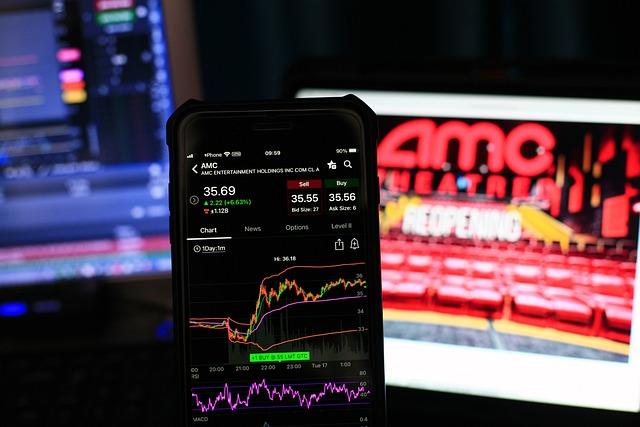
Many people have expressed their disapproval of the stock market surge in 2023, arguing that it primarily revolves around a small selection of major tech firms. Nevertheless, investors are becoming concerned about the recent emergence of additional stragglers, as Jonathan Krinsky, the managing director and chief market technician at BTIG noted. He mentions that there has been a significant rise of 10% in a stock benchmark favored by investors on social media platforms in the last three days. In contrast, consumer staples stocks have experienced a decrease of 1.6% as investors are shifting away from safer investment options. Well-known stocks such as GameStop, AMC Entertainment, and the now-bankrupt Bed Bath & Beyond have recently gained substantial attention. According to a note published on Tuesday for clients, when comparing the performance of the MEME index to the Consumer Staples Select Sector over a year and a half, if the MEME index has done at least 10% better within three days, the SPX index has been lower three and five days later out of 17 instances. The average return during those periods has been -0.83% and -0.68%, respectively. Meanwhile, the performance during 20 days indicated an average return of -1.45% and a median return of -1.6%. The speaker noted that similar results were last observed on February 15th, when the S&P 500 saw a drop of 3.62% in the three days following this signal. This suggests that the market is becoming more stable and healthy, but there are doubts about whether the rally will last. When weaker stocks see big gains, it may indicate that investors are speculating too much and not making careful choices. Although a market rally with lower-quality stocks can be a good indicator, it should be examined cautiously and analyzed carefully. Krinsky mentioned that this includes both highly traded stocks and low-quality ones. He claims that when we see a substantial rise, especially compared to a stable industry like consumer staples, it often indicates individuals seeking out investments that have not yet seen much activity but have the potential for significant growth. He proposes that this typically happens near the conclusion of a market trend, as demonstrated by the data in the table provided. John PaulJohn Paul is the founder of DayTradeToWin, a trading education and software company established in 2008, supporting traders worldwide. His expertise focuses on price action-based futures trading strategies and structured market analysis. DayTradeToWin delivers trading education, indicators, and software tools designed to help traders apply disciplined, rule-based decision-making across global futures markets. He is the creator of multiple trading methodologies, including the Sonic System, Atlas Line, and Trade Scalper, which help traders identify structured opportunities in markets such as the E-mini S&P 500 (ES), Nasdaq (NQ), crude oil (CL), and gold (GC). Official website: https://daytradetowin.com daytradetowin.com
bull market
Market News

Forecasting a Surge: S&P 500 Could Jump 100 Points Post-Inflation Data, Says Fundstrat’s Lee

Tom Lee from Fundstrat has returned with a positive forecast as concerns about the 2023 market rally surface. In a research note, the former analyst from JPMorgan Chase advised clients to seize a favorable chance to make strategic purchases. The analyst suggested that the recent drop in prices creates a good opportunity to enter the market before the consumer-price index for June is released on Wednesday. If the index matches Lee’s predictions of being low, it could potentially result in a 100-point increase, equivalent to a 2.3% rise, in the S&P 500. In recent weeks, Federal Reserve officials and the minutes from their June meeting have repeatedly stated their expectation of ongoing increases in interest rates. The futures market for Fed funds strongly predicts a rate hike in July, and the Fed’s projected rate plan indicates the possibility of two more hikes in 2023. However, Lee believes that investors have quickly accepted the notion of rates remaining high for an extended period, which may not be accurate. Additionally, Lee suggests that if the inflation report is weak, the pressure on the Fed to continue raising rates could be alleviated. Lee predicts that core inflation for June might be around 0.2%, lower than the 0.3% expected by economists The Wall Street Journal surveyed for both core and headline inflation. Economists anticipate core inflation to be at 5% year-on-year, while headline inflation is expected to decrease to 3.1%. If Lee’s forecast is correct, it would suggest that inflation has dropped to its lowest level since August 2021. In an interview on CNBC Monday morning, he mentioned that if this scenario were to occur, it would show that the Federal Reserve is successfully maintaining the targeted inflation rates every month. He said a 0.2 rise would correspond to a 2.5% inflation rate annually. Before considering any interest rate reductions, Chairman Jerome Powell stressed the importance of the central bank observing a steady and enduring comeback of inflation to the yearly target of 2%. Lee, who founded Fundstrat in 2014, has become widely recognized for his perpetual optimism in the market. Even after the 2008 financial crisis, he maintained a positive attitude and urged investors to buy stocks. Furthermore, he guided his clients to invest in stocks during the downturn caused by the COVID-19 pandemic. Fundstrat began 2023 by forecasting that the S&P 500 would reach 4,750 by the end of the year. Their prediction set them apart as one of the most positive analysts on Wall Street, and as part of a small group that anticipated a swift market rebound. Take a look at this: He correctly foresaw the increase in the stock market in 2023. Now, let’s find out what the most hopeful financial expert on Wall Street predicts for the second part of the year. Lee, one of the first supporters of cryptocurrency in the finance industry, believed in the potential of bitcoin and forecasted that its value could reach $100,000 by the end of 2021. However, contrary to this prediction, the currency reached its highest point at $69,000 on November 10, 2021, according to data from FactSet. In a more recent forecast, Lee proposes that bitcoin may reach $200,000 per coin in the next five years. As per information from FactSet, as of Monday, the worth of a single bitcoin (BTCUSD) stood at $30,344. There was a varied performance among U.S. stocks on Monday. The S&P 500 rose by 4 points or 0.1% to reach 4,403, while the Nasdaq Composite fell by 6 points or 0.1% to reach 13,653. On the other hand, the Dow Jones Industrial Average saw gains of 158 points or 0.5%, reaching 33,895. It is important to mention that all three indexes experienced declines last week, with the Dow having its biggest decrease since March. Why would Lee change their typical method of making long-term forecasts now? When he appeared on CNBC, he mentioned that his main reason for making the call was to assure Fundstrat’s clients. The goal was to ease their worries about the market, especially considering the bears’ prediction that rising Treasury yields could impede the current rally. John PaulJohn Paul is the founder of DayTradeToWin, a trading education and software company established in 2008, supporting traders worldwide. His expertise focuses on price action-based futures trading strategies and structured market analysis. DayTradeToWin delivers trading education, indicators, and software tools designed to help traders apply disciplined, rule-based decision-making across global futures markets. He is the creator of multiple trading methodologies, including the Sonic System, Atlas Line, and Trade Scalper, which help traders identify structured opportunities in markets such as the E-mini S&P 500 (ES), Nasdaq (NQ), crude oil (CL), and gold (GC). Official website: https://daytradetowin.com daytradetowin.com

Stocks
Market News

Playing It Safe: How Inflation Data Curbs Stock Fluctuations in Today’s Market News

The stock market kicked off the week with a small decline, signaling that the focus for the upcoming week will mainly revolve around inflation, interest rates, and the start of the second-quarter earnings season. The S&P 500, Dow Jones Industrial Average, and Nasdaq Composite all suffered a decrease and fell below the neutral level. S&P 500 (^GSPC) The finance sector in New York’s Wall Street is eagerly awaiting the upcoming inflation reports for American consumers and producers, which are scheduled to be released later this week. It is believed that these reports will show a decline in the pressure on prices. This data could potentially sway the Federal Reserve’s decision to decrease its intentions of raising interest rates in the latter part of this year. Nevertheless, although there has been a slight decrease in job opportunities in June, it is still anticipated that the Federal Reserve will move forward with a rate increase in July. Meanwhile, China has undergone price fluctuations recently, indicating a potential occurrence of deflation in the economy. This is worrisome since Beijing’s attempts to boost the economy do not effectively handle the issue. Investors are getting ready for significant financial results from well-known banks such as JPMorgan and Citi, as their reports for the second quarter are set to be released on Friday. John PaulJohn Paul is the founder of DayTradeToWin, a trading education and software company established in 2008, supporting traders worldwide. His expertise focuses on price action-based futures trading strategies and structured market analysis. DayTradeToWin delivers trading education, indicators, and software tools designed to help traders apply disciplined, rule-based decision-making across global futures markets. He is the creator of multiple trading methodologies, including the Sonic System, Atlas Line, and Trade Scalper, which help traders identify structured opportunities in markets such as the E-mini S&P 500 (ES), Nasdaq (NQ), crude oil (CL), and gold (GC). Official website: https://daytradetowin.com daytradetowin.com

Scroll to Top