
stock news

S&P 500
Market News

How Two Crucial Factors Could Propel the S&P 500 to 6,500 in 2024

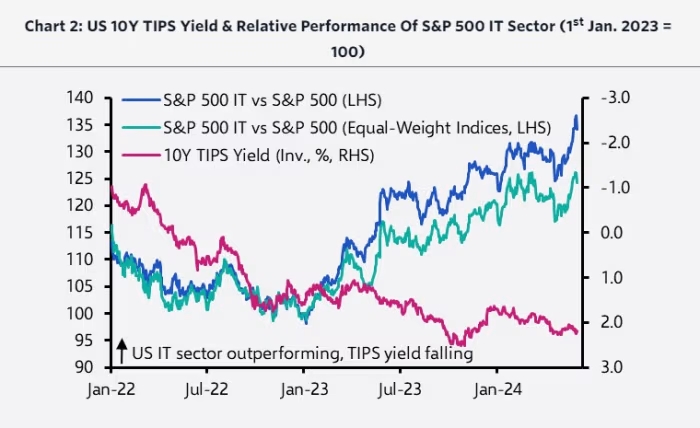
The new month of equity trading kicks off on a positive note, led by gains in Nvidia (NVDA) shares after the AI chipmaker announced its next-generation Rubin platform, set for release in 2026. However, benchmark Treasury yields are less than 20 basis points from their highest levels since early November, reflecting concerns over persistent inflation and prolonged high Fed funds rates, which are tempering stock market optimism. James Reilly, market economist at Capital Economics, observes that U.S. stocks have been navigating these alternating headwinds and tailwinds for some time. For instance, last week saw Treasury yields drop as PCE inflation data held no negative surprises, allowing nine of the eleven main S&P 500 sectors to gain ground on Thursday. Yet, the S&P 500’s progress was hindered by struggles in the information technology sector, following disappointing earnings reports from Salesforce (CRM) and Dell (DELL). Reilly highlights that “AI hype” has ultimately driven the S&P 500 to recent record highs. “What matters for IT matters for the market. And over the past year or so, that hasn’t been bond yields,” he explains. “Since late 2022, when ChatGPT was launched, AI enthusiasm has been the key driver.” Reilly expects AI to continue supporting the stock market, suggesting that narrow equity bull runs, like the current focus on Nvidia, can persist for years. He also believes the rally will broaden, noting that the early stages of the AI revolution still hold significant potential for broader gains as AI applications and leading providers become clearer. Importantly for stock market bulls, Reilly sees Treasurys providing a long-term tailwind. Recent softening economic data has led Capital Economics to lower its Q2 U.S. GDP growth forecast from an annualized 2.7% to just 1.2%. Reilly forecasts the 10-year Treasury yield to fall from around 4.5% now to 4.0% by the end of 2024, as investors may be underestimating the extent of future Fed rate cuts. “This expectation that AI hype will increase and that Treasury yields will fall underpins our forecast for the S&P 500 to hit 6,500 by the end of 2025,” concludes Reilly. John PaulJohn Paul is the founder of DayTradeToWin, a trading education and software company established in 2008, supporting traders worldwide. His expertise focuses on price action-based futures trading strategies and structured market analysis. DayTradeToWin delivers trading education, indicators, and software tools designed to help traders apply disciplined, rule-based decision-making across global futures markets. He is the creator of multiple trading methodologies, including the Sonic System, Atlas Line, and Trade Scalper, which help traders identify structured opportunities in markets such as the E-mini S&P 500 (ES), Nasdaq (NQ), crude oil (CL), and gold (GC). Official website: https://daytradetowin.com daytradetowin.com
S&P 500
Market News

Breaking Tradition: Stock Market Thrives in May Amid Election Year Optimism

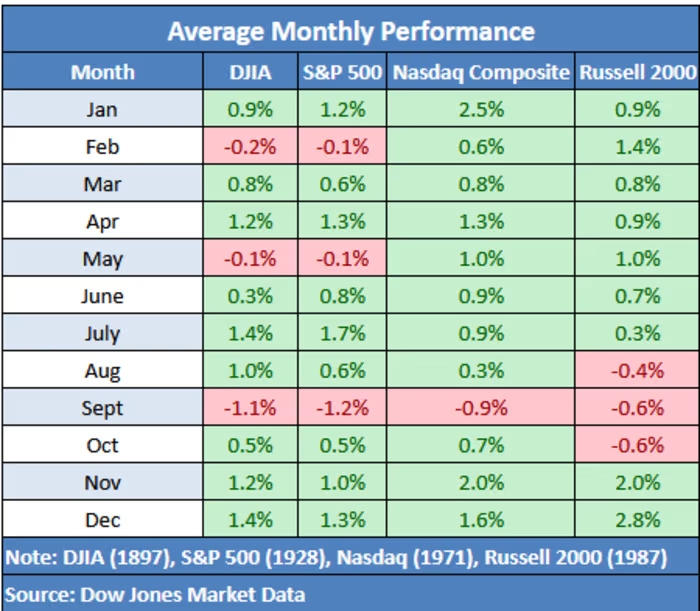
S&P 500 Posts Strongest May Since 2020, Defying ‘Sell in May’ The S&P 500 index recorded its strongest May performance since 2020, raising hopes for a summer rally and challenging the popular “sell in May and go away” adage. “Momentum leads price, and a strong May increases the odds of a decent summer rally,” said Ed Clissold, chief strategist at Ned Davis Research, in an interview with MarketWatch. Despite macroeconomic factors like inflation, jobs data, and Federal Reserve remarks influencing market returns, Clissold noted that the current market momentum suggests a bullish trend. This rally aligns with historical patterns seen in presidential election years. The S&P 500 rose 4.8% in May, its best performance since a 5.3% rise in 2009. Historically, May averages a 0.1% decline, making it the second worst-performing month, according to Dow Jones Market Data. Since 1950, the S&P 500 has risen 77.8% of the time from April 30 to October 31 in election years, with a median gain of 3.3% during this period, the second highest in the election cycle. However, Clissold cautions that a close election could dampen the market, as clear outcomes tend to lead to better performance. The 2024 election is particularly complex, with Trump being the first former president convicted of a felony and potentially facing a rematch with Biden. The “sell in May” strategy has struggled in recent years, with the S&P 500 rising 10 out of 12 times in May since 2012 by a median of 3%. However, it’s too early to determine if this year’s trend will hold, noted Steve Sosnick, chief strategist at Interactive Brokers. “We won’t, or can’t, know if ‘Sell in May’ worked until June at the earliest,” Sosnick wrote. John PaulJohn Paul is the founder of DayTradeToWin, a trading education and software company established in 2008, supporting traders worldwide. His expertise focuses on price action-based futures trading strategies and structured market analysis. DayTradeToWin delivers trading education, indicators, and software tools designed to help traders apply disciplined, rule-based decision-making across global futures markets. He is the creator of multiple trading methodologies, including the Sonic System, Atlas Line, and Trade Scalper, which help traders identify structured opportunities in markets such as the E-mini S&P 500 (ES), Nasdaq (NQ), crude oil (CL), and gold (GC). Official website: https://daytradetowin.com daytradetowin.com
S&P 500
Market News

S&P 500 Futures Drop Amidst Climbing Bond Yields Concerns

How Are Stock-Index Futures Trading? On Tuesday, the Dow Jones Industrial Average dropped 217 points, or 0.55%, to 38,853. The S&P 500 edged up by 1 point, or 0.02%, to 5,306, while the Nasdaq Composite climbed 99 points, or 0.59%, to 17,020. Futures suggest that U.S. stock indices will open Wednesday’s session lower as Treasury yields hover near four-week highs. Bonds have experienced fresh sell-offs following two poorly received Treasury auctions on Tuesday. This was compounded by stronger-than-expected consumer confidence data and comments from a Federal Reserve official, indicating that it will take several more months of steady inflation before considering a rate cut. The likelihood of a September rate cut has fallen below 50%, down from nearly 60% last week. Concerns over persistently high borrowing costs are contending with optimism about major tech stocks—Nvidia reached a new record on Tuesday—affecting market sentiment, according to Susannah Streeter, head of money and markets at Hargreaves Lansdown. “Financial markets are divided in sentiment, with AI enthusiasm continuing to boost major tech stocks, while concerns about high interest rates keep investors cautious in other areas,” she said. John PaulJohn Paul is the founder of DayTradeToWin, a trading education and software company established in 2008, supporting traders worldwide. His expertise focuses on price action-based futures trading strategies and structured market analysis. DayTradeToWin delivers trading education, indicators, and software tools designed to help traders apply disciplined, rule-based decision-making across global futures markets. He is the creator of multiple trading methodologies, including the Sonic System, Atlas Line, and Trade Scalper, which help traders identify structured opportunities in markets such as the E-mini S&P 500 (ES), Nasdaq (NQ), crude oil (CL), and gold (GC). Official website: https://daytradetowin.com daytradetowin.com
fund
Market News

Why These Sectors Stand Out in a Star Fund Manager’s Investment Strategy

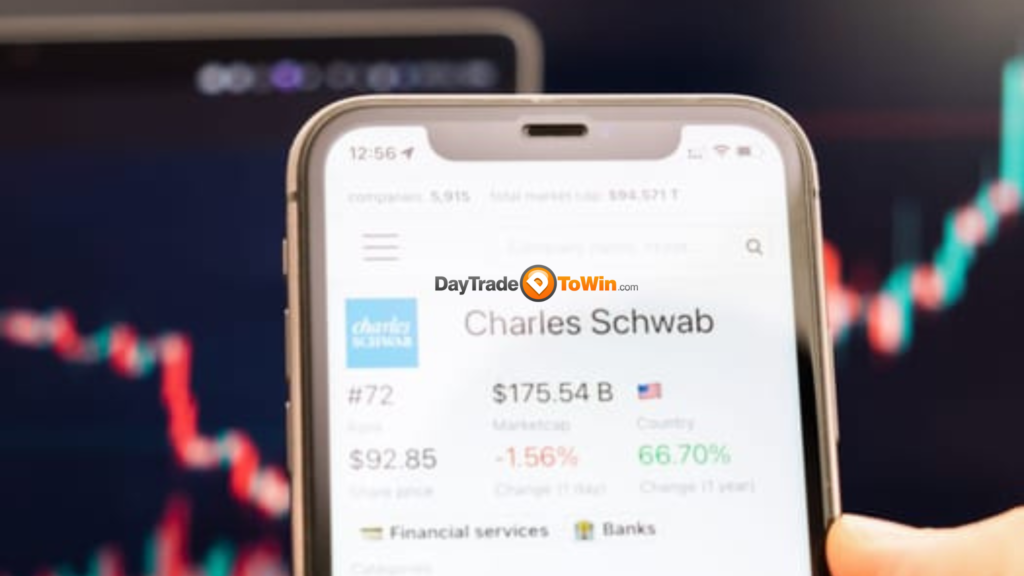
As summer and the mid-year mark approach, investors are finding success by sticking with stocks. Clare Hart, Morningstar’s 2024 “Outstanding Portfolio Manager,” shares her strategy as she wraps up a two-decade tenure at JPMorgan’s Equity Income Fund (OIEIX). Under her guidance, the fund has averaged a 9.4% annualized gain since 2004, outperforming both Morningstar’s large value category and the Russell 1000 Value Index by over a percentage point. Hart’s investment approach centers on stocks that meet three criteria: quality, reasonable valuation, and dividend payouts. She seeks companies with reliable management and strong industry positions, often focusing on underappreciated innovators. Examples include Philip Morris International (PM) with its shift towards a “smokeless” future, and Procter & Gamble (PG), which leads market innovation. Big Tech also features in her portfolio, with holdings in Microsoft (MSFT) and a smaller position in Apple (AAPL) due to valuation concerns. Financials make up the largest sector in her portfolio, with Wells Fargo (WFC) as a top holding. Despite the turmoil surrounding Silicon Valley Bank last year, Hart saw it as an opportunity, confident in Wells Fargo’s potential post its Fed-imposed balance sheet cap. Charles Schwab (SCHW) is another notable holding, seen as a stable long-term investment with strong online tools for investors, despite last year’s concerns about its deposit base. Energy stocks also play a key role in Hart’s fund, with ConocoPhillips (COP), Chevron (CVX), and Exxon (XOM) among the top holdings. Hart is optimistic about energy, recognizing the importance of these companies in the transition from fossil fuels and their commitment to efficiency and environmental friendliness. As Hart prepares to hand over the fund in September to co-managers Andrew Brandon and David Silberman, she voices one ongoing concern: inflation. She notes that consumers continue to spend despite rising prices, and she anticipates that inflation fatigue could eventually impact the market. John PaulJohn Paul is the founder of DayTradeToWin, a trading education and software company established in 2008, supporting traders worldwide. His expertise focuses on price action-based futures trading strategies and structured market analysis. DayTradeToWin delivers trading education, indicators, and software tools designed to help traders apply disciplined, rule-based decision-making across global futures markets. He is the creator of multiple trading methodologies, including the Sonic System, Atlas Line, and Trade Scalper, which help traders identify structured opportunities in markets such as the E-mini S&P 500 (ES), Nasdaq (NQ), crude oil (CL), and gold (GC). Official website: https://daytradetowin.com daytradetowin.com
Stocks
Market News

The Wealth Effect: How Soaring Stocks Complicate the Fed’s Inflation Efforts

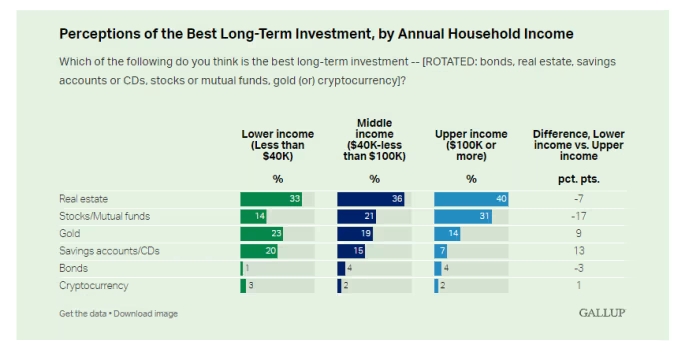
With 62% of U.S. adults holding investments in corporate America, reducing consumer demand enough to curb inflation seems increasingly difficult. Last week, U.S. stocks reached new all-time highs, enhancing the financial well-being of millions and complicating the Federal Reserve’s battle against inflation. According to Gallup data released this month, 62% of U.S. adults have investments in the stock market through direct shares, mutual funds, 401(k)s, or individual retirement accounts. This level is consistent with 2023 and mirrors the period from 1998 to 2008. Even low-income households, earning less than $40,000 annually, and middle-income households, earning up to $100,000, are participating in the stock market: 25% and 65%, respectively, based on Gallup’s survey conducted from April 1-22. May’s rally in equities, which saw the Nasdaq Composite reach 16,920.79 and the S&P 500 hit 5,321.41, makes it challenging to foresee a sufficient decrease in consumer demand to lower inflation. By Friday, the Nasdaq Composite, S&P 500, and Dow Jones Industrial Average had risen by 8.1%, 5.3%, and 3.3% for the month of May. The coming week will provide fresh data on consumer attitudes and U.S. inflation. The Conference Board’s consumer-confidence reading for May on Tuesday and the personal consumption expenditures price index on Friday will be key indicators. A strong labor market and continued consumer spending are helping the U.S. avoid a recession, but record-high stock prices may be fueling a negative feedback loop on inflation. This disconnect between perceived wealth and economic sentiment is evident in a poll by Harris for the Guardian, which found many believe the economy is in a recession and that the S&P 500 is down for the year, though it isn’t. The wealth effect, where people spend more as their wealth increases even if their income doesn’t, may be at play. Analysts like Torsten Slok of Apollo Global Management link the Fed’s 2024 rate cuts to consumer spending driving higher-than-expected inflation in the first quarter. In December, Charlie McElligott of Nomura Securities International warned that the Fed’s dovish pivot in late 2023 might boost “animal spirits” and ease financial conditions, making it harder to control inflation. First-quarter inflation readings were hotter than expected. Despite three months of minimal progress towards the 2% target, Fed Chairman Jerome Powell indicated on May 1 a low chance of future rate hikes, sparking a stock rally. Brent Schutte of Northwestern Mutual Wealth Management noted that the wealth effect is keeping inflation elevated and that the stock market is complicating the last mile of inflation reduction. The question now is whether the “risk-on” appetite, driven by tech-driven productivity hopes and solid corporate earnings, can coexist with inflation above 2%. Minutes from the Fed’s April 30-May 1 meeting showed some officials’ willingness to raise rates again if necessary, noting that gains from the stock market and rising housing prices might not be enough to curb demand and inflation. S&P surveys last Thursday indicated that inflation remains a concern for businesses, contributing to a 605.78-point drop in the Dow Jones Industrial Average, its worst one-day decline in over a year. However, stock indexes rebounded on Friday despite consumer sentiment darkening due to inflation worries. Michael Reynolds of Glenmede suggested that while the Fed might still need to hike rates, inflation will likely remain above 2%. A stock market correction may be needed given high investor hopes for lower borrowing costs. Glenmede has adjusted its view from underweight to neutral on equities, balancing macro risks and advising clients to avoid major portfolio shifts ahead of the November election. John PaulJohn Paul is the founder of DayTradeToWin, a trading education and software company established in 2008, supporting traders worldwide. His expertise focuses on price action-based futures trading strategies and structured market analysis. DayTradeToWin delivers trading education, indicators, and software tools designed to help traders apply disciplined, rule-based decision-making across global futures markets. He is the creator of multiple trading methodologies, including the Sonic System, Atlas Line, and Trade Scalper, which help traders identify structured opportunities in markets such as the E-mini S&P 500 (ES), Nasdaq (NQ), crude oil (CL), and gold (GC). Official website: https://daytradetowin.com daytradetowin.com

U.S. stocks
Market News

Nasdaq Reaches Record Peak as U.S. Stocks Climb Before Holiday

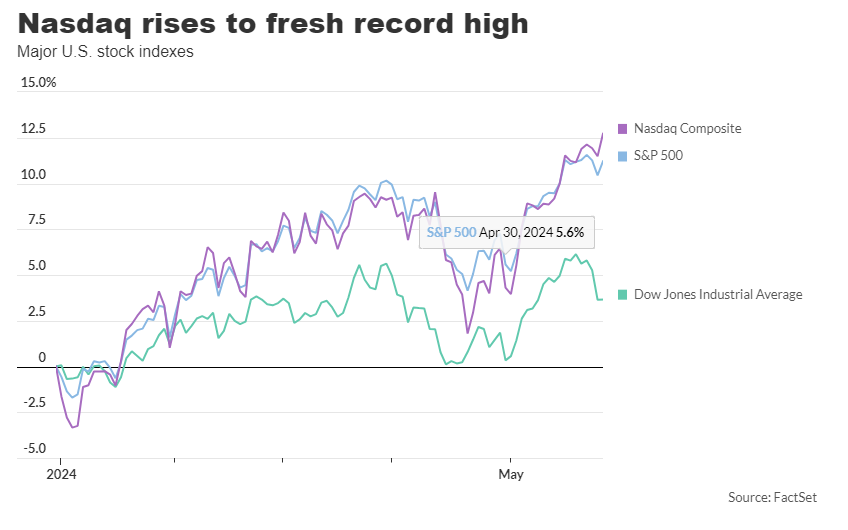
The market is highly responsive to economic data that disrupts the ‘Goldilocks scenario,’ says Anthony Saglimbene of Ameriprise Financial. On Friday, major U.S. stock indexes rose, with the tech-heavy Nasdaq Composite hitting a fresh record peak ahead of the Memorial Day weekend. Nvidia Corp.’s quarterly earnings were “the most important report of the week,” according to Saglimbene, chief market strategist at Ameriprise Financial. He stated, “I don’t think investors could have asked for a better report and outlook from the leader of AI,” suggesting that “the AI theme has legs.” Both the Nasdaq and the S&P 500 secured their fifth consecutive week of gains on Friday, while the Dow Jones Industrial Average ended its five-week winning streak. Investors were buying the dip amid rising profits and a strong economy, said Saglimbene. Although Nvidia surged Thursday following its robust earnings, U.S. stocks dropped that day due to concerns over economic data from S&P Global’s flash survey of U.S. services. The stronger-than-expected reading sparked “inflation anxiety,” Saglimbene explained. Sticky inflation in the services component of the consumer-price index has been a concern, but Saglimbene believes investors overreacted, as the data likely didn’t significantly alter the Federal Reserve’s policy outlook. “It shows how sensitive the market is to economic data that challenges the narrative of Fed rate cuts this year,” Saglimbene noted, with investors hoping for a “Goldilocks scenario” where economic activity declines just enough to justify rate cuts. On Friday, U.S. stocks finished higher, with the Dow Jones Industrial Average rising less than 0.1%, the S&P 500 gaining 0.7%, and the Nasdaq Composite climbing 1.1%. The Nasdaq closed at a record 16,920.79, while the S&P 500 ended at 5,304.72, just 0.3% below its record close. Traders are debating whether the S&P 500’s current level around 5,300 is a ceiling or a support level for further gains. Saglimbene believes the S&P 500 can “gravitate” higher due to the positive earnings outlook for U.S. companies. Next week’s key economic report will be the U.S. inflation reading for April from the personal-consumption expenditures price index, due May 31. The U.S. stock market will be closed Monday, May 27, for Memorial Day. John PaulJohn Paul is the founder of DayTradeToWin, a trading education and software company established in 2008, supporting traders worldwide. His expertise focuses on price action-based futures trading strategies and structured market analysis. DayTradeToWin delivers trading education, indicators, and software tools designed to help traders apply disciplined, rule-based decision-making across global futures markets. He is the creator of multiple trading methodologies, including the Sonic System, Atlas Line, and Trade Scalper, which help traders identify structured opportunities in markets such as the E-mini S&P 500 (ES), Nasdaq (NQ), crude oil (CL), and gold (GC). Official website: https://daytradetowin.com daytradetowin.com

Scroll to Top