
Why Markets Often Brush Off Geopolitical Shocks – Until They Don’t
Markets were shaken after Israel struck Iran and Iran reportedly fired back. But the panic didn’t last long. U.S. stock futures bounced off session lows, oil prices retreated from sharp gains, and gold eased from its peak — all signs that investor anxiety may already be cooling.
This kind of swift reaction is common. “Financial markets are incredibly quick to price in geopolitical fear — but just as quick to discount it,” says Michael Brown of Pepperstone.
An April report from the International Monetary Fund (IMF) echoes that. While global markets typically react to geopolitical risk, most events leave only a modest, short-term dent. However, large-scale military conflicts tend to have a deeper, longer-lasting impact.
The IMF found that average stock returns across countries drop about 1% during geopolitical flare-ups. In emerging markets, that drop averages 2.5%. And when the risk involves international military conflict, emerging market stocks can plunge by 5% in a single month.
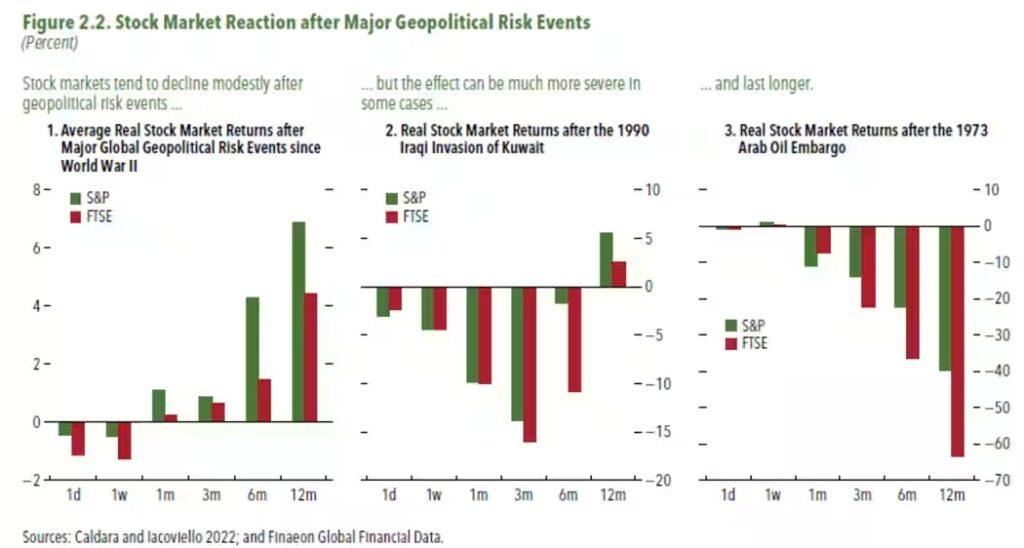
Fortunately, the report also shows that most markets begin to recover within a month — though the rebound depends on the nature and scope of the crisis. Supply chain disruptions, for example, can drive up commodity prices while dragging down equities, especially in sectors that rely heavily on energy.
Some geopolitical events leave a bigger scar. The 1973 oil embargo slashed real returns for the S&P 500 by over 60% in the months that followed. Iraq’s 1990 invasion of Kuwait led to six months of negative returns as well.
Still, Deutsche Bank analysts say recent history paints a more resilient picture. Their research shows that modern markets often experience quick selloffs — but also quick recoveries — in response to geopolitical events.
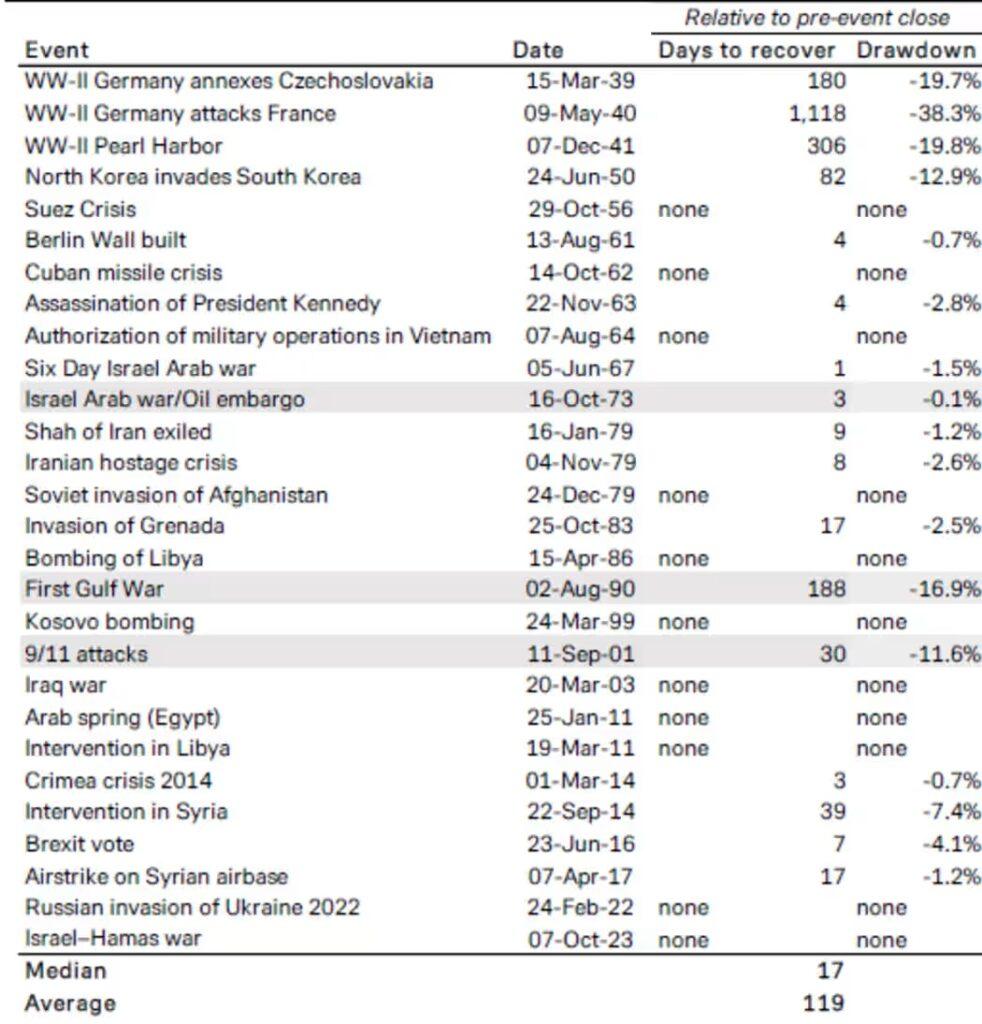
“Once the initial fear passes, economic fundamentals take the lead again,” notes strategist Jim Reid. Their advice? “You should generally buy into geopolitical risk.” But they add a caution: With global tensions on the rise, the old playbook may not always apply.

John Paul is the founder of DayTradeToWin, a trading education and software company established in 2008, supporting traders worldwide. His expertise focuses on price action-based futures trading strategies and structured market analysis.
DayTradeToWin delivers trading education, indicators, and software tools designed to help traders apply disciplined, rule-based decision-making across global futures markets.
He is the creator of multiple trading methodologies, including the Sonic System, Atlas Line, and Trade Scalper, which help traders identify structured opportunities in markets such as the E-mini S&P 500 (ES), Nasdaq (NQ), crude oil (CL), and gold (GC).
Official website: https://daytradetowin.com