
Despite the tragedy unfolding between Israel and Iran, U.S. markets have remained surprisingly resilient. S&P 500 futures reclaimed the 6,000 mark early Monday—just 2% shy of record highs. But RBC Capital Markets’ Lori Calvasina warns that this calm may not last.
Oil Spike Threatens Fed’s Inflation Outlook as Middle East Tensions Rise
She outlines three ways the conflict could hit stocks:
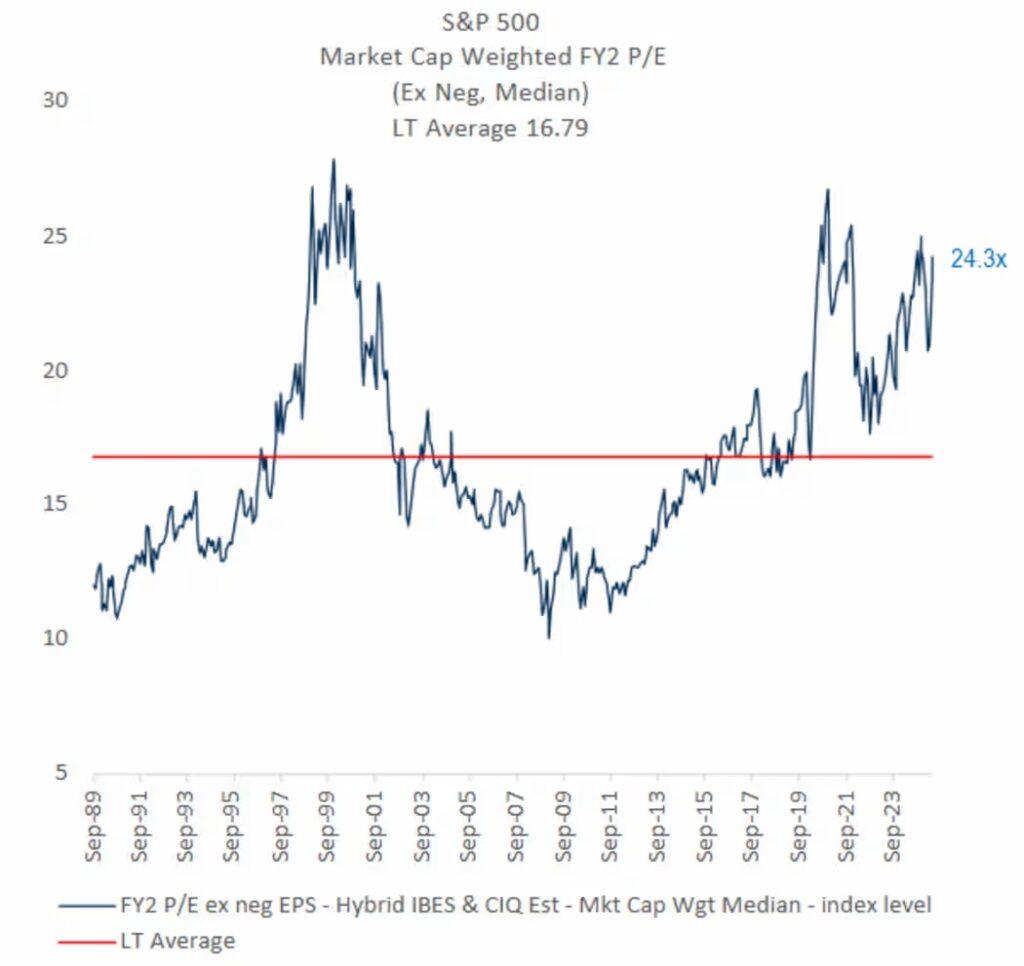
1. Valuation Pressures
Geopolitical uncertainty tends to compress price-to-earnings (P/E) ratios. Calvasina notes that national security threats, much like economic policy fears, usually lead investors to assign lower valuations. With P/E multiples already elevated, stocks are particularly vulnerable now.
2. Investor Sentiment at Risk
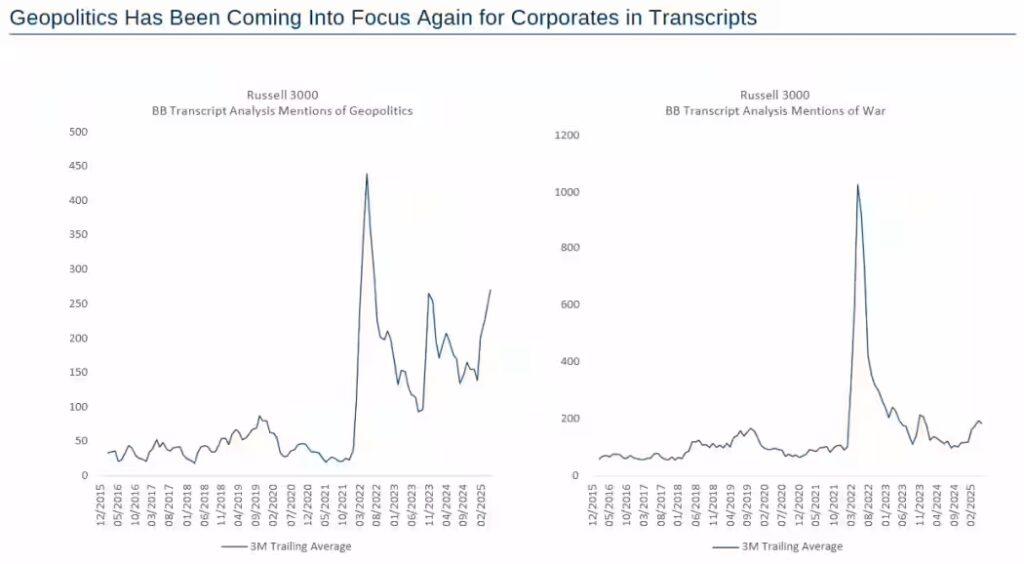
Recent gains in market confidence—especially among investors—have helped fuel the rally. But if the conflict rattles sentiment, optimism around IPOs and dealmaking could evaporate. Corporate earnings calls have shown that even events like wildfires or flu outbreaks affect behavior. Middle East tension will likely do the same.
3. Oil Prices and Fed Policy
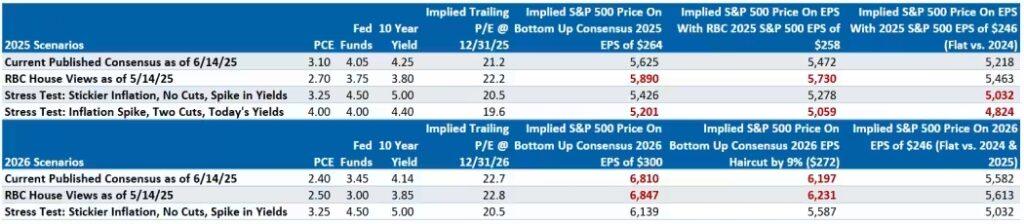
RBC sees room for Brent crude to surge if supply is disrupted. That could reignite inflation, muddy the Fed’s rate-cut path, and pressure equities. In a stress test, RBC assumes higher PCE inflation, limited rate cuts, and steady Treasury yields. The result: S&P 500 fair value could fall to 4,800–5,200 by year-end—well below Friday’s close at 5,977.
In short, while the market appears stoic now, surging oil and rising uncertainty could throw the Fed—and investors—off balance.

John Paul is the founder of DayTradeToWin, a trading education and software company established in 2008, supporting traders worldwide. His expertise focuses on price action-based futures trading strategies and structured market analysis.
DayTradeToWin delivers trading education, indicators, and software tools designed to help traders apply disciplined, rule-based decision-making across global futures markets.
He is the creator of multiple trading methodologies, including the Sonic System, Atlas Line, and Trade Scalper, which help traders identify structured opportunities in markets such as the E-mini S&P 500 (ES), Nasdaq (NQ), crude oil (CL), and gold (GC).
Official website: https://daytradetowin.com