
Why Markets Aren’t Flinching Despite a Wave of Bad News, According to Tom Essaye
Geopolitical tensions. Oil shocks. Soaring deficits. Slowing growth. Normally, these would rattle markets. Yet here we are — with most developed stock indexes hovering near all-time highs. Market strategist Tom Essaye, in his latest Sevens Report, breaks down why investors remain unfazed by a string of negative headlines.
1. Israel-Iran Conflict: Less Impact Than Expected
The recent military escalation between Israel and Iran might have triggered a bigger market selloff in the past. Oil prices spiked — with West Texas crude climbing from under $60 in May to $75 — but stocks barely blinked.
Essaye says that’s because Iran’s weakened military position limits its ability to escalate. Its oil exports are already curbed by sanctions, and with the U.S. now a net exporter and Saudi Arabia sitting on spare capacity, the threat of a serious energy crunch seems low.
2. Trade Tensions: Tariff Fatigue Sets In
President Trump’s tariff threats used to shake markets. Not anymore. Essaye points to “tariff fatigue” — a kind of market desensitization to ongoing trade drama.
There’s too much noise and too little follow-through. So much so, that investors have coined a term: “TACO” — Trump Always Chickens Out. Unless there’s a meaningful tariff hike after the July 9 deadline (when the current pause expires), Essaye doesn’t expect markets to react.
3. Ballooning U.S. Deficit: A Slow-Burn Risk
Washington’s growing deficit and big spending plans haven’t rattled bond markets — yet. Long-term Treasury yields surged above 5% recently but have since pulled back. Essaye notes that unlike the U.K.’s 2022 bond market shock under Liz Truss, U.S. debt concerns haven’t reached a boiling point.
Still, if the 10-year yield approaches or breaches 5%, Essaye warns that will signal serious global concern about U.S. fiscal health — and likely hit stocks hard.
4. Slowing Growth: Not Enough to Spook Bulls
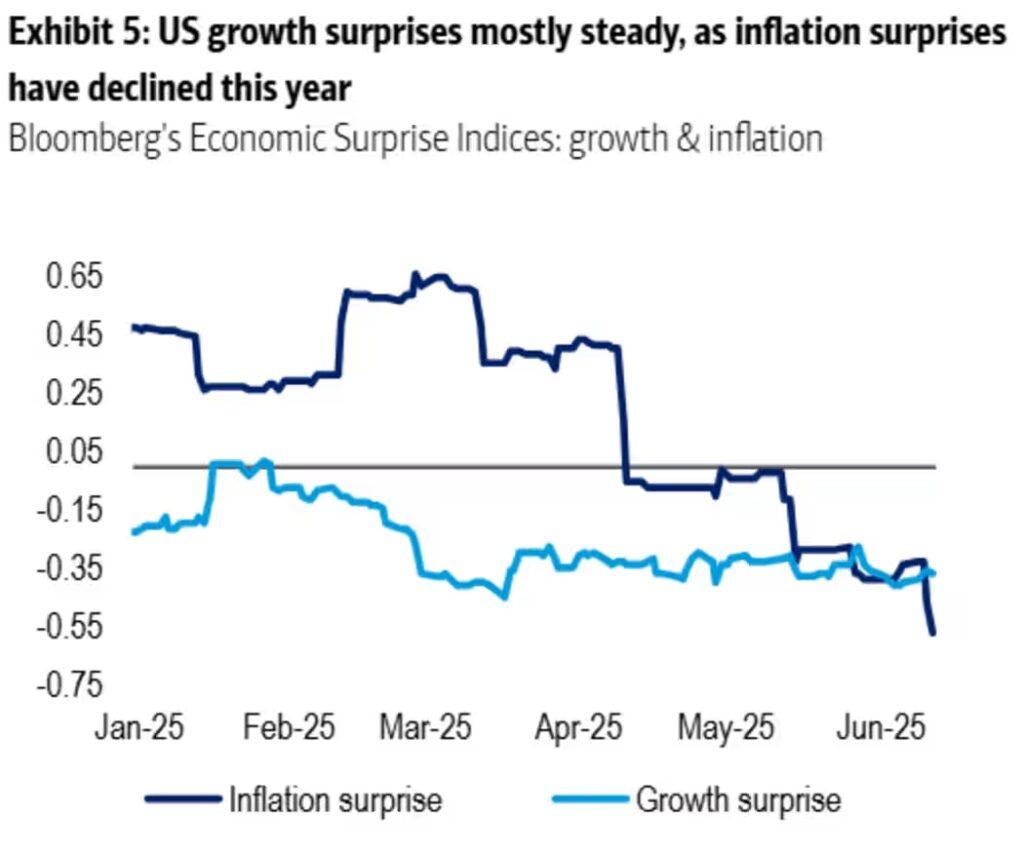
Yes, economic momentum is fading. The ISM manufacturing index remains below the key 50 threshold, suggesting contraction. But there’s no panic. Essaye points out that the U.S. economy has weathered worse — from COVID to 2022’s inflation surge.
The data, so far, doesn’t scream “recession,” and the Fed has shown it can steer policy skillfully. For now, investors are still giving the economy — and markets — the benefit of the doubt.
Essaye’s Takeaway:
Markets aren’t ignoring risk — they’re discounting it. Until threats become real and sustained, investors seem willing to look past the headlines. But as Essaye notes, that calm depends on these risks not getting worse. If they do, the market mood could change quickly.

John Paul is the founder of DayTradeToWin, a trading education and software company established in 2008, supporting traders worldwide. His expertise focuses on price action-based futures trading strategies and structured market analysis.
DayTradeToWin delivers trading education, indicators, and software tools designed to help traders apply disciplined, rule-based decision-making across global futures markets.
He is the creator of multiple trading methodologies, including the Sonic System, Atlas Line, and Trade Scalper, which help traders identify structured opportunities in markets such as the E-mini S&P 500 (ES), Nasdaq (NQ), crude oil (CL), and gold (GC).
Official website: https://daytradetowin.com