
Nomura: A more critical take on AI winners is healthy
Investors looking for a year-end rally to fresh record highs have had to temper their expectations. Since the start of December, the S&P 500 has moved sideways in a tight range, hovering just below new highs.
Part of the drag on sentiment comes from recent stumbles in some of the market’s biggest winners. Heavyweights such as Nvidia, Microsoft and Broadcom have lost momentum, while smaller-cap former favorites — including CoreWeave, along with energy- and quantum-related stocks — have also struggled.
That weakness has fueled concerns that the pullback in momentum stocks could signal a broader shift in market sentiment, particularly toward AI plays, with negative implications for 2026. But Charlie McElligott, Nomura’s cross-asset strategist, says this pattern is typical for this time of year — and argues the AI trade is far from over.
McElligott says the AI investment story has entered a more turbulent phase, as markets move beyond early capital-expenditure excitement and toward a more disciplined evaluation of fundamentals. Investors are now paying closer attention to balance sheets, return on investment, margin pressure and energy constraints — a development he views as constructive.
Still, McElligott believes much of the recent selling reflects routine profit-taking after a strong run, made messier by the high levels of leverage tied to momentum trades.
Historically, December has been a difficult month for momentum strategies. Since 1995, the momentum factor has averaged a 1.1% pullback during the month, and it is the worst median month for one-year momentum over the past 30 years. Since 2016, the median decline has been closer to 2.7%, as investors rotate ahead of the “January effect” and into prior laggards.
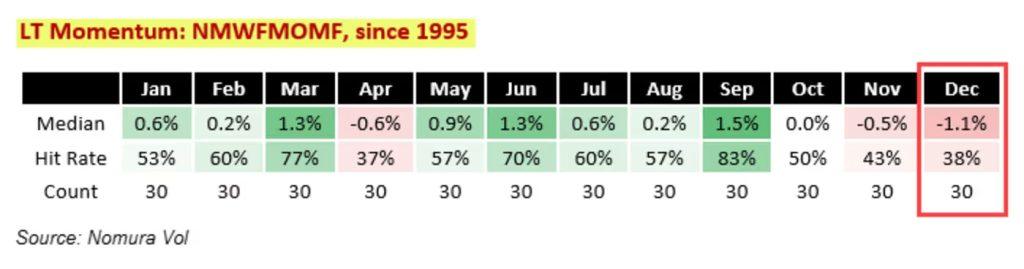
In effect, investors are using last year’s winners as a funding source to broaden exposure to stocks expected to benefit from stronger economic conditions in 2026.
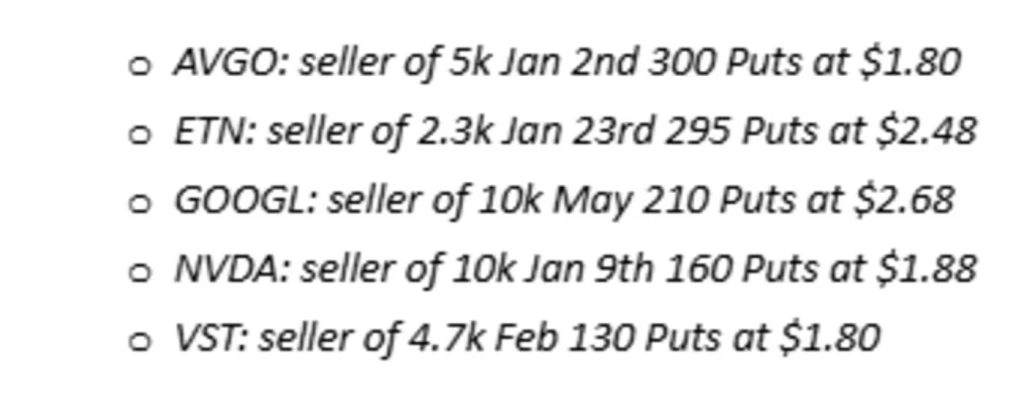
Importantly, McElligott says recent selling does not suggest investors are abandoning AI-linked stocks. Options market activity during the latest equity selloff shows traders selling downside protection on AI proxies such as Broadcom, Eaton, Alphabet, Nvidia and Vistra — a sign the market does not expect much further downside and may be approaching an inflection point.

John Paul is the founder of DayTradeToWin, a trading education and software company established in 2008, supporting traders worldwide. His expertise focuses on price action-based futures trading strategies and structured market analysis.
DayTradeToWin delivers trading education, indicators, and software tools designed to help traders apply disciplined, rule-based decision-making across global futures markets.
He is the creator of multiple trading methodologies, including the Sonic System, Atlas Line, and Trade Scalper, which help traders identify structured opportunities in markets such as the E-mini S&P 500 (ES), Nasdaq (NQ), crude oil (CL), and gold (GC).
Official website: https://daytradetowin.com