

Market News

juneteenth
Market News

Juneteenth 2025: Are Markets Closed?

What’s Closed on Juneteenth, June 19 Juneteenth, observed on June 19, commemorates the end of slavery in the United States. The holiday marks the day in 1865 when Union troops arrived in Galveston, Texas, to enforce the freedom of enslaved people—more than two years after the Emancipation Proclamation was issued. While Juneteenth has been celebrated in Black communities since the 1800s, it became a Texas state holiday in 1980 and was officially recognized as a federal holiday in 2021. Here’s what’s closed in observance of Juneteenth: Stock MarketsThe New York Stock Exchange, Nasdaq, and U.S. bond markets are closed for the day. Trading resumes on June 20. Mail ServicesU.S. Postal Service mail delivery is paused for the holiday. However, FedEx and UPS will continue operating on their regular schedules. BanksMost banks are closed today, though ATMs and mobile banking remain available. Government OfficesAll nonessential federal offices are closed, and most state and local government offices will follow suit. If you need to visit a DMV or another agency, it’s best to check ahead. SchoolsPublic schools typically close for Juneteenth, but schedules can vary by district. Be sure to confirm with your local school. John PaulJohn Paul is the founder of DayTradeToWin, a trading education and software company established in 2008, supporting traders worldwide. His expertise focuses on price action-based futures trading strategies and structured market analysis. DayTradeToWin delivers trading education, indicators, and software tools designed to help traders apply disciplined, rule-based decision-making across global futures markets. He is the creator of multiple trading methodologies, including the Sonic System, Atlas Line, and Trade Scalper, which help traders identify structured opportunities in markets such as the E-mini S&P 500 (ES), Nasdaq (NQ), crude oil (CL), and gold (GC). Official website: https://daytradetowin.com daytradetowin.com
fed
Market News

Tom Lee: Fed Pause Could Spark Rally

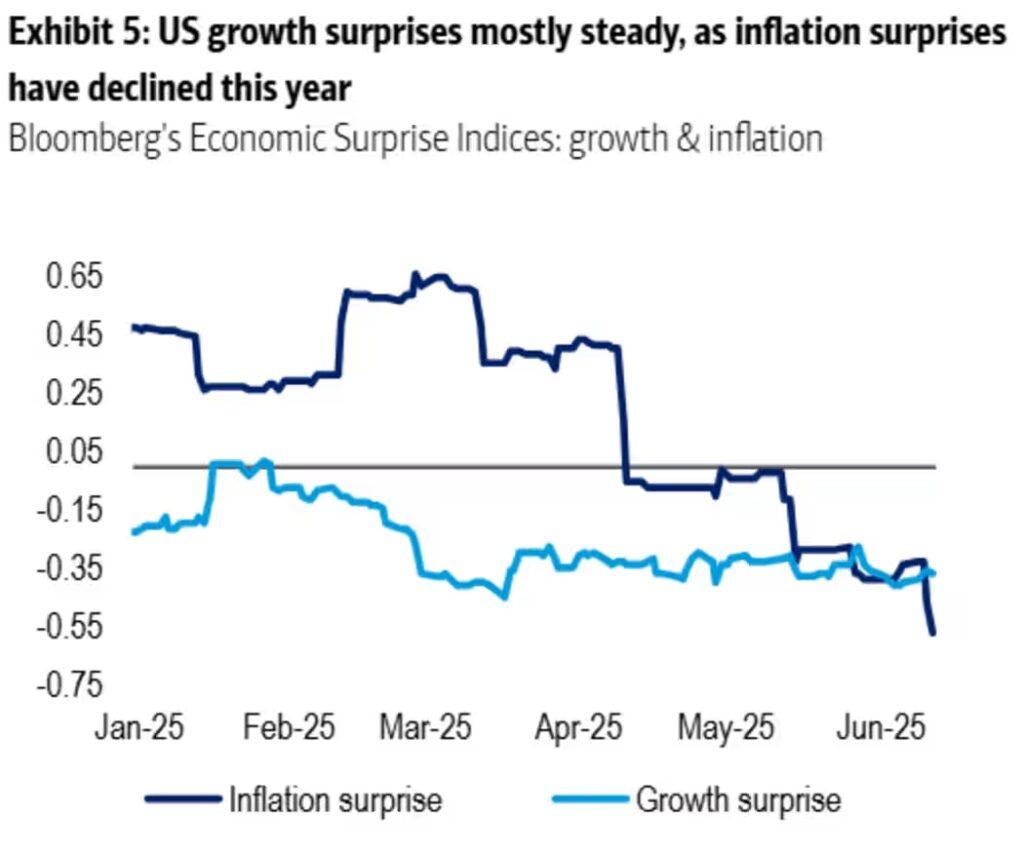
Fed Likely to Admit Tariff-Driven Inflation Has Been Overstated, Says Tom Lee It’s Fed Day — and while markets overwhelmingly expect no change in interest rates, with futures pricing in a 98.8% probability of a hold, Fundstrat’s Tom Lee sees potential for a market-moving moment. Lee isn’t anticipating a rate cut today. But he believes the Fed may acknowledge a key shift in the data: inflation is coming in softer than expected, and the impact from tariffs has been minimal. “The Fed has cited tariff-related uncertainty as a reason to stay cautious,” Lee notes. “But recent inflation readings — including just a 0.1% monthly rise in the CPI and flat import prices — suggest that pressure just isn’t showing up.” Real-time import pricing confirms it: tariffs haven’t meaningfully passed through to consumers. And market-based inflation indicators have dropped to their lowest levels in over a year. “We think the Fed will have to recognize this,” says Lee. “And with partisan bias skewing consumer inflation surveys, markets are starting to price in a return to a more dovish Fed.” Lee remains bullish, expecting the S&P 500 to push back to record highs soon — it’s already within 3% — and he still sees 6,600 by year-end. As a bonus indicator, he points to bitcoin’s new all-time high as a sign the rally has legs. John PaulJohn Paul is the founder of DayTradeToWin, a trading education and software company established in 2008, supporting traders worldwide. His expertise focuses on price action-based futures trading strategies and structured market analysis. DayTradeToWin delivers trading education, indicators, and software tools designed to help traders apply disciplined, rule-based decision-making across global futures markets. He is the creator of multiple trading methodologies, including the Sonic System, Atlas Line, and Trade Scalper, which help traders identify structured opportunities in markets such as the E-mini S&P 500 (ES), Nasdaq (NQ), crude oil (CL), and gold (GC). Official website: https://daytradetowin.com daytradetowin.com
markets
Market News

Why Markets Shrug Off War, Debt, and Chaos

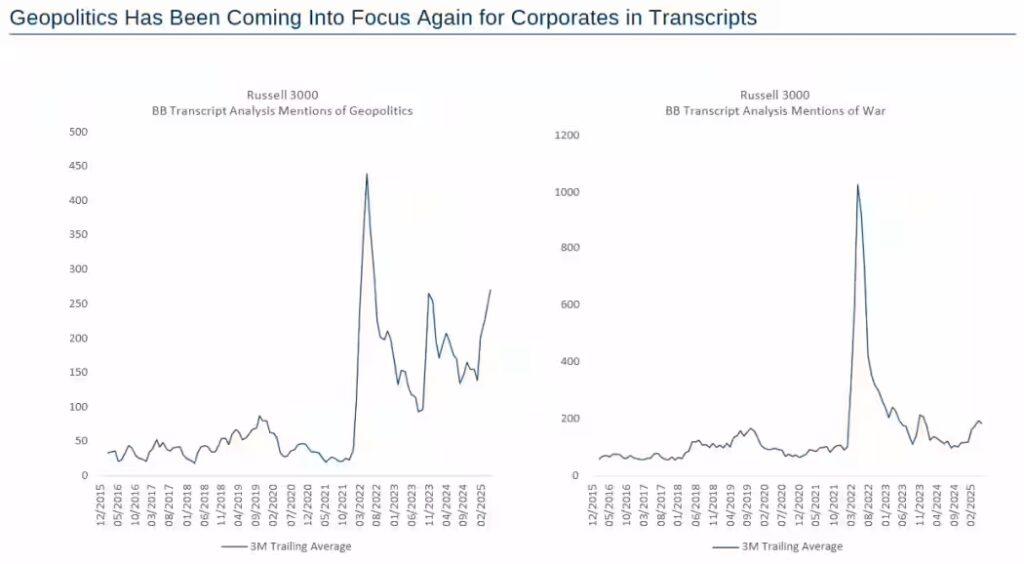
Why Markets Aren’t Flinching Despite a Wave of Bad News, According to Tom Essaye Geopolitical tensions. Oil shocks. Soaring deficits. Slowing growth. Normally, these would rattle markets. Yet here we are — with most developed stock indexes hovering near all-time highs. Market strategist Tom Essaye, in his latest Sevens Report, breaks down why investors remain unfazed by a string of negative headlines. 1. Israel-Iran Conflict: Less Impact Than Expected The recent military escalation between Israel and Iran might have triggered a bigger market selloff in the past. Oil prices spiked — with West Texas crude climbing from under $60 in May to $75 — but stocks barely blinked. Essaye says that’s because Iran’s weakened military position limits its ability to escalate. Its oil exports are already curbed by sanctions, and with the U.S. now a net exporter and Saudi Arabia sitting on spare capacity, the threat of a serious energy crunch seems low. 2. Trade Tensions: Tariff Fatigue Sets In President Trump’s tariff threats used to shake markets. Not anymore. Essaye points to “tariff fatigue” — a kind of market desensitization to ongoing trade drama. There’s too much noise and too little follow-through. So much so, that investors have coined a term: “TACO” — Trump Always Chickens Out. Unless there’s a meaningful tariff hike after the July 9 deadline (when the current pause expires), Essaye doesn’t expect markets to react. 3. Ballooning U.S. Deficit: A Slow-Burn Risk Washington’s growing deficit and big spending plans haven’t rattled bond markets — yet. Long-term Treasury yields surged above 5% recently but have since pulled back. Essaye notes that unlike the U.K.’s 2022 bond market shock under Liz Truss, U.S. debt concerns haven’t reached a boiling point. Still, if the 10-year yield approaches or breaches 5%, Essaye warns that will signal serious global concern about U.S. fiscal health — and likely hit stocks hard. 4. Slowing Growth: Not Enough to Spook Bulls Yes, economic momentum is fading. The ISM manufacturing index remains below the key 50 threshold, suggesting contraction. But there’s no panic. Essaye points out that the U.S. economy has weathered worse — from COVID to 2022’s inflation surge. The data, so far, doesn’t scream “recession,” and the Fed has shown it can steer policy skillfully. For now, investors are still giving the economy — and markets — the benefit of the doubt. Essaye’s Takeaway:Markets aren’t ignoring risk — they’re discounting it. Until threats become real and sustained, investors seem willing to look past the headlines. But as Essaye notes, that calm depends on these risks not getting worse. If they do, the market mood could change quickly. John PaulJohn Paul is the founder of DayTradeToWin, a trading education and software company established in 2008, supporting traders worldwide. His expertise focuses on price action-based futures trading strategies and structured market analysis. DayTradeToWin delivers trading education, indicators, and software tools designed to help traders apply disciplined, rule-based decision-making across global futures markets. He is the creator of multiple trading methodologies, including the Sonic System, Atlas Line, and Trade Scalper, which help traders identify structured opportunities in markets such as the E-mini S&P 500 (ES), Nasdaq (NQ), crude oil (CL), and gold (GC). Official website: https://daytradetowin.com daytradetowin.com
markets
Market News

Geopolitical Shock Could Slam Markets – RBC

Despite the tragedy unfolding between Israel and Iran, U.S. markets have remained surprisingly resilient. S&P 500 futures reclaimed the 6,000 mark early Monday—just 2% shy of record highs. But RBC Capital Markets’ Lori Calvasina warns that this calm may not last. Oil Spike Threatens Fed’s Inflation Outlook as Middle East Tensions Rise She outlines three ways the conflict could hit stocks: 1. Valuation Pressures Geopolitical uncertainty tends to compress price-to-earnings (P/E) ratios. Calvasina notes that national security threats, much like economic policy fears, usually lead investors to assign lower valuations. With P/E multiples already elevated, stocks are particularly vulnerable now. 2. Investor Sentiment at Risk Recent gains in market confidence—especially among investors—have helped fuel the rally. But if the conflict rattles sentiment, optimism around IPOs and dealmaking could evaporate. Corporate earnings calls have shown that even events like wildfires or flu outbreaks affect behavior. Middle East tension will likely do the same. 3. Oil Prices and Fed Policy RBC sees room for Brent crude to surge if supply is disrupted. That could reignite inflation, muddy the Fed’s rate-cut path, and pressure equities. In a stress test, RBC assumes higher PCE inflation, limited rate cuts, and steady Treasury yields. The result: S&P 500 fair value could fall to 4,800–5,200 by year-end—well below Friday’s close at 5,977. In short, while the market appears stoic now, surging oil and rising uncertainty could throw the Fed—and investors—off balance. John PaulJohn Paul is the founder of DayTradeToWin, a trading education and software company established in 2008, supporting traders worldwide. His expertise focuses on price action-based futures trading strategies and structured market analysis. DayTradeToWin delivers trading education, indicators, and software tools designed to help traders apply disciplined, rule-based decision-making across global futures markets. He is the creator of multiple trading methodologies, including the Sonic System, Atlas Line, and Trade Scalper, which help traders identify structured opportunities in markets such as the E-mini S&P 500 (ES), Nasdaq (NQ), crude oil (CL), and gold (GC). Official website: https://daytradetowin.com daytradetowin.com

markets
Market News

Markets Stall with Power Stocks Losing Steam

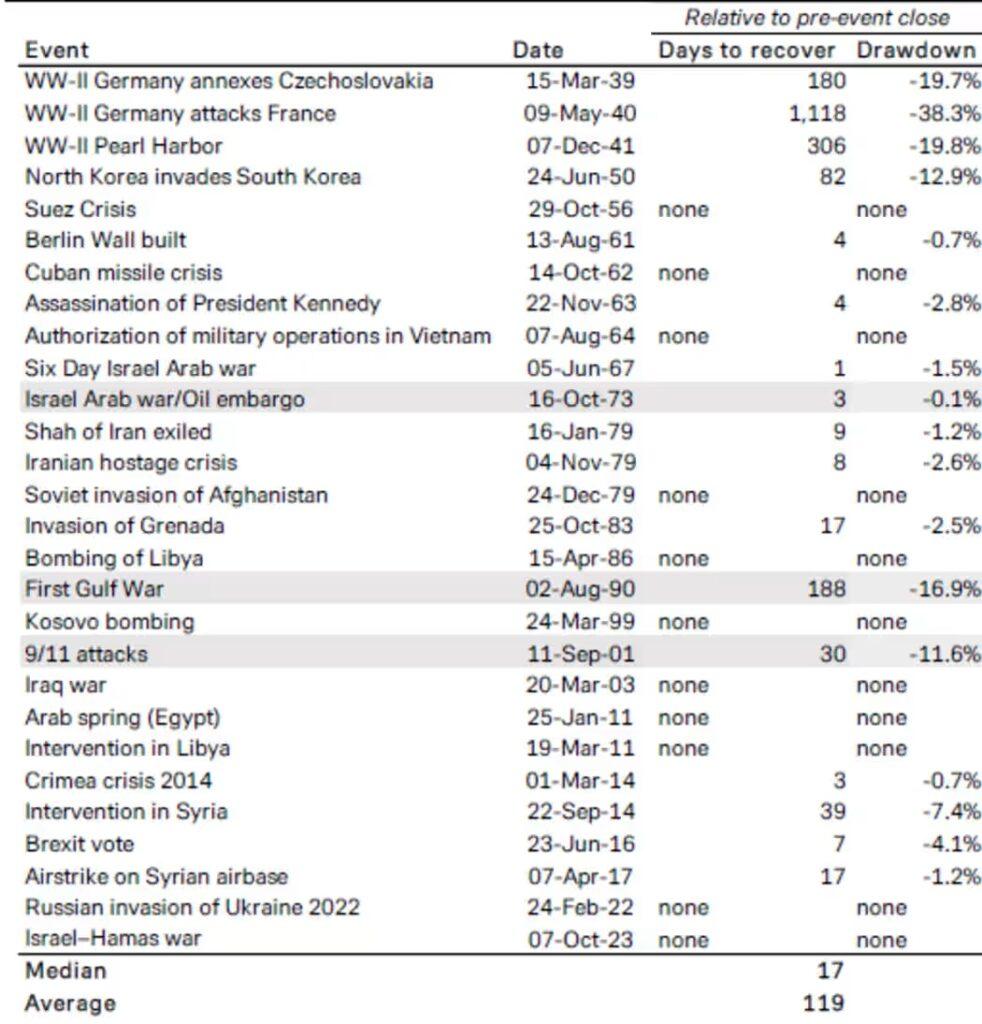
Why Markets Often Brush Off Geopolitical Shocks – Until They Don’t Markets were shaken after Israel struck Iran and Iran reportedly fired back. But the panic didn’t last long. U.S. stock futures bounced off session lows, oil prices retreated from sharp gains, and gold eased from its peak — all signs that investor anxiety may already be cooling. This kind of swift reaction is common. “Financial markets are incredibly quick to price in geopolitical fear — but just as quick to discount it,” says Michael Brown of Pepperstone. An April report from the International Monetary Fund (IMF) echoes that. While global markets typically react to geopolitical risk, most events leave only a modest, short-term dent. However, large-scale military conflicts tend to have a deeper, longer-lasting impact. The IMF found that average stock returns across countries drop about 1% during geopolitical flare-ups. In emerging markets, that drop averages 2.5%. And when the risk involves international military conflict, emerging market stocks can plunge by 5% in a single month. Fortunately, the report also shows that most markets begin to recover within a month — though the rebound depends on the nature and scope of the crisis. Supply chain disruptions, for example, can drive up commodity prices while dragging down equities, especially in sectors that rely heavily on energy. Some geopolitical events leave a bigger scar. The 1973 oil embargo slashed real returns for the S&P 500 by over 60% in the months that followed. Iraq’s 1990 invasion of Kuwait led to six months of negative returns as well. Still, Deutsche Bank analysts say recent history paints a more resilient picture. Their research shows that modern markets often experience quick selloffs — but also quick recoveries — in response to geopolitical events. “Once the initial fear passes, economic fundamentals take the lead again,” notes strategist Jim Reid. Their advice? “You should generally buy into geopolitical risk.” But they add a caution: With global tensions on the rise, the old playbook may not always apply. John PaulJohn Paul is the founder of DayTradeToWin, a trading education and software company established in 2008, supporting traders worldwide. His expertise focuses on price action-based futures trading strategies and structured market analysis. DayTradeToWin delivers trading education, indicators, and software tools designed to help traders apply disciplined, rule-based decision-making across global futures markets. He is the creator of multiple trading methodologies, including the Sonic System, Atlas Line, and Trade Scalper, which help traders identify structured opportunities in markets such as the E-mini S&P 500 (ES), Nasdaq (NQ), crude oil (CL), and gold (GC). Official website: https://daytradetowin.com daytradetowin.com

stocks
Market News

Why Stocks Drops Shouldn’t Shock You

Most Stocks Have Suffered Massive Losses — New Study Reveals the Harsh Reality of Long-Term Investing A new study highlights a hard truth for investors: since the mid-1980s, the typical stock has plunged more than 80% from its peak at some point in its life. Many investors imagine how different their portfolios would look if they had bought and held shares of iconic companies like Apple, Microsoft, or Nvidia from the beginning. But few realize how difficult that journey would have been. Holding through massive losses requires uncommon discipline. According to a recent report by Michael Mauboussin and Dan Callahan of Morgan Stanley Investment Management, deep drawdowns are far more common than most people think. The duo analyzed the performance of over 6,500 publicly traded U.S. companies between 1985 and 2024. “The findings are provocative and surprising,” they wrote. Here’s what they found: This aligns with research by Hendrik Bessembinder of Arizona State University, who studied more than 28,000 U.S. stocks from 1926 to 2024. His findings: just 2% of all companies generated 90% of the $79.4 trillion in net stock market wealth. Among them, six firms — Apple, Microsoft, Nvidia, Alphabet, Amazon, and ExxonMobil — contributed a combined $17.1 trillion in value. Yet even these giants experienced major setbacks. For example, Amazon’s stock dropped 95% between 1999 and 2001. On average, these six stocks had drawdowns of 80.3%, similar to the broader market sample. While dramatic recoveries are possible, they’re rare. Among companies that lost more than 95% of their value, only 16% ever climbed back to their previous highs. Still, for those that survived, the rebound could be powerful: The takeaway? Diversification matters. Even strong individual stocks can go through long, painful periods. Broad indexes like the S&P 500 have also seen significant selloffs — notably after the dot-com bubble and the 2008 financial crisis — but tend to be more resilient due to their diversified nature. The report opens with a quote from the late Charlie Munger, Warren Buffett’s longtime business partner, that puts things in perspective: “If you’re not willing to react with equanimity to a market price decline of 50% two or three times a century, you’re not fit to be a common shareholder,” Munger said in 2009. Munger, who passed away in 2023, believed enduring steep drawdowns was simply part of being a long-term investor. His advice still resonates: stay calm in the face of volatility — because often, the biggest gains come after the biggest drops. John PaulJohn Paul is the founder of DayTradeToWin, a trading education and software company established in 2008, supporting traders worldwide. His expertise focuses on price action-based futures trading strategies and structured market analysis. DayTradeToWin delivers trading education, indicators, and software tools designed to help traders apply disciplined, rule-based decision-making across global futures markets. He is the creator of multiple trading methodologies, including the Sonic System, Atlas Line, and Trade Scalper, which help traders identify structured opportunities in markets such as the E-mini S&P 500 (ES), Nasdaq (NQ), crude oil (CL), and gold (GC). Official website: https://daytradetowin.com daytradetowin.com

Scroll to Top