DayTradeToWin Review

The Power of Selling Short: A Trader’s Guide

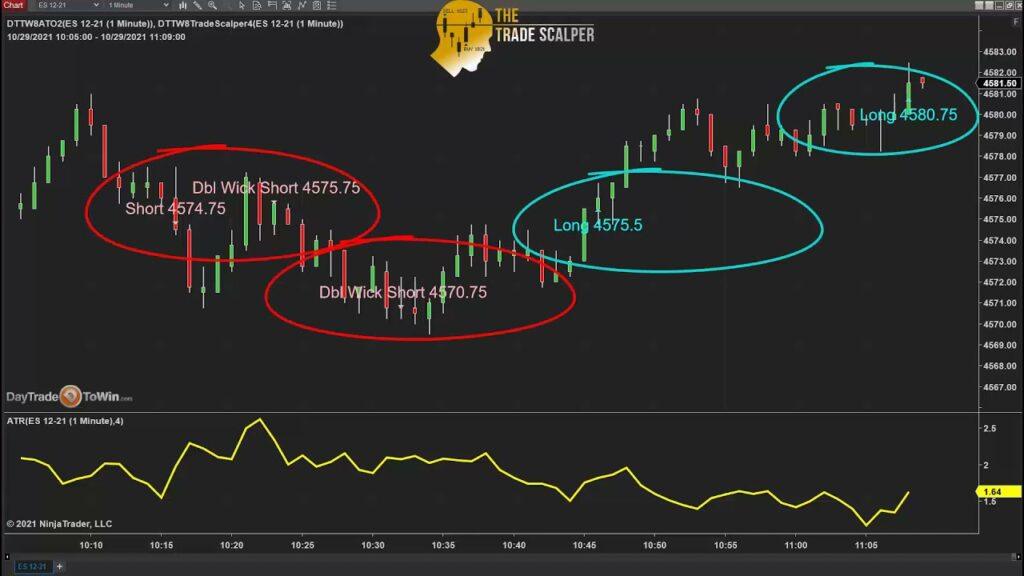
In this article, we will delve into the fascinating world of short selling and explore how it can be a highly profitable strategy when combined with the At The Open Strategy and Trade Scalper. If you’ve ever been curious about the potential of short selling in your trading journey, you’ve come to the right place. Understanding Short Selling: Short selling, often referred to as “shorting,” is a trading technique tailored for profiting from a market on the decline. It stands in sharp contrast to the traditional buying approach, where traders acquire assets with the expectation of their prices rising. When you engage in short selling, you essentially borrow an asset and sell it on the open market, with the intention of repurchasing it later at a lower price. Your profit materializes from the price difference between selling and buying. A formidable ally for short selling is the At The Open Strategy. This software equips traders with signals and insights to optimize their trading during the initial moments of market activity, especially at the market open. The At The Open Strategy boasts versatility, offering signals for both long and short positions, making it a fundamental tool for traders seeking to profit from market movements in either direction. When this software generates a short signal, it’s signaling an opportunity to sell assets with the expectation of a price decline, a pivotal element for short sellers. In concert with short selling, the Trade Scalper strategy provides an effective approach for capitalizing on intraday price fluctuations. It is particularly well-suited for traders interested in profiting from short-term market movements, including those looking to benefit from falling prices. The Trade Scalper software delivers signals for both long and short positions. When a short signal emanates from this tool, it presents an opportunity to sell short and potentially profit from a market downturn. When coupled with diligent risk management and discipline, this strategy can enhance your ability to profit from short selling. It’s essential to recognize that short selling carries inherent risks. While it can be a lucrative strategy in declining markets, it can also result in substantial losses if the market moves against your position. Therefore, implementing robust risk management practices and having a well-defined exit strategy is vital when undertaking short selling. Conclusion In response to the question, “Can you sell short and make money trading?” the answer is a resounding yes. By harnessing strategies like the At The Open Strategy and Trade Scalper, traders can tap into short-selling opportunities within financial markets. However, it’s crucial to approach short selling with caution, practice prudent risk management, and cultivate a deep understanding of market dynamics. If you’re new to short selling, consider honing your skills through a demo account or seeking guidance from experienced professionals before engaging in live trading. When approached responsibly and thoughtfully, short selling can be a valuable addition to your trading repertoire.

Market News

S&P 500 Momentum: Goldman Sachs’ Optimistic Stance

Crucial Insights for U.S. Traders: The stock market is showing signs of further gains, while bond yields are on the decline. Following a holiday break, bond markets are rallying, partially driven by increased demand for safe-haven assets in response to the recent attacks by Hamas in Israel. Additionally, two Federal Reserve officials have expressed reservations about raising interest rates, and more Fed speakers are scheduled to address the issue on Tuesday. Investors, particularly those involved in the oil market, will keep a close eye on developments in the Middle East for potential escalations. However, history has shown that Wall Street often quickly returns to its regular rhythm, especially as inflation data and the beginning of earnings season draw near. Goldman Sachs has an interesting forecast, suggesting that a significant group of momentum traders is gearing up for substantial purchases of the S&P 500 in the coming month. A chart from the bank illustrates historically low exposure to U.S. equities among commodity trading advisors (CTAs), who typically profit from bets on futures markets and tend to follow market trends. According to Goldman Sachs, CTAs currently hold a short position of approximately $90 billion in global equities, an unprecedentedly low reading. In the U.S. market alone, they maintain a record-high short position of $47 billion in equities. Goldman Sachs states, “According to our model, CTAs are now inclined to buy SPX under all possible scenarios over the next month.” This implies that those CTAs who have been selling the S&P 500 may potentially reverse their positions and become buyers if Goldman’s prediction holds true. However, it’s essential to note that not everyone advises blindly following trend-focused CTAs, as their sentiment can change suddenly. While October has a historical reputation for market volatility, it can also signal the beginning of a seasonal rebound for stocks, as noted by MarketWatch’s Mark Hulbert. Jeff Hirsch, the editor of the Stock Trader’s Almanac & Almanac Investor Newsletter, often refers to October as a “bear-killer, bargain month, and turnaround month,” characterized by robust, albeit occasionally volatile, trading. An Equity Clock seasonality chart has been circulating, potentially lending further support to the idea of buying stocks. Seth Golden, Chief Market Strategist at Finom Group, also presents a chart that could be encouraging for potential buyers.

DayTradeToWin Review

Profit Planning 101: Smart Traders Prepare Their Targets

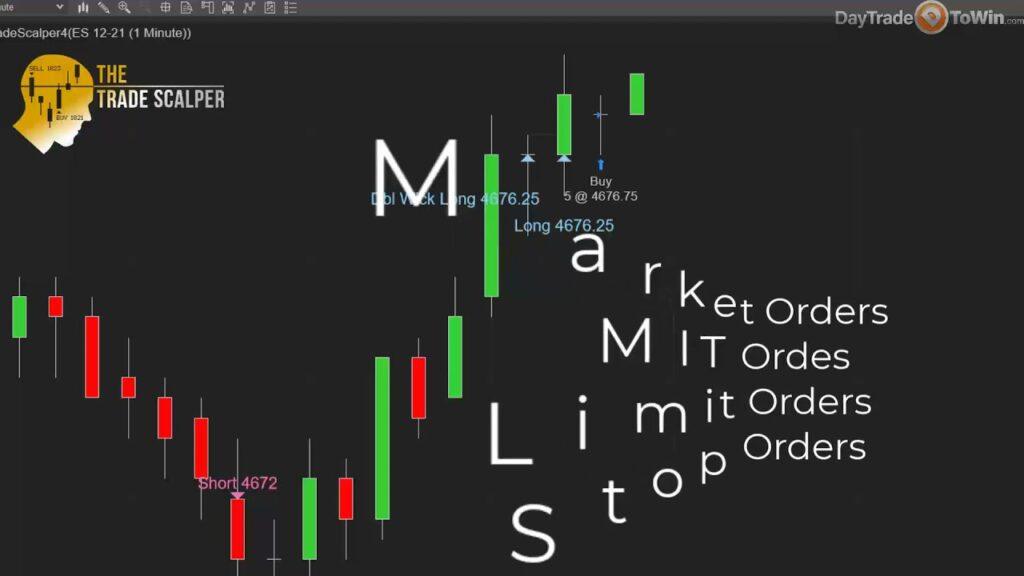
Fridays often pose unique challenges in the trading world. Market conditions tend to undergo a slowdown, whether you’re engaged in crypto, Nasdaq, E-mini futures, or any other asset. However, maintaining a vigilant approach remains crucial, especially as we approach the afternoon trading session. In this comprehensive blog post, we will delve into the intricacies of identifying and executing a long signal using the Trade Scalper double wick long strategy. I will provide valuable insights into how we adeptly manage such trades and offer you an exclusive peek into our trading methodology, driven by the powerful . Signal Consistency: One of the remarkable aspects of the Trade Scalper software is its ability to provide consistent signals. It levels the playing field by ensuring that everyone sees the same signals. Today’s signal beckoned us at 46.76 quarter on the E-mini S&P. Trade Management: Effective trade management is a linchpin of successful trading. Before entering any trade, it’s imperative to make informed decisions about your target and stop levels. This meticulous planning empowers you to assert control over your risk exposure. In the context of the prevailing market conditions, our guidance often derives from the Average True Range (ATR). Analyzing the last four or five candlesticks reveals an ATR of one and a half points, translating to six ticks. This ATR value serves as our target. It’s important to emphasize that aligning your profit target with the current market conditions is paramount. During periods of sluggish market activity, we set our sights on more modest targets. Similarly, the placement of stop levels demands careful consideration. While it’s essential to safeguard your trade, avoid setting stops too distantly from your entry point. In our example, we’re seeking a stop that is slightly more generous than the current conditions but refrains from being overly expansive compared to our profit target. The key principle here is to avoid jeopardizing your trade by risking excessive points in pursuit of a comparatively smaller profit. Exit Strategy: Once your predefined target is attained, it’s imperative to execute your exit strategy promptly. In our case, the target of 46.78 quarter was precisely six ticks (equivalent to one and a half points) from our entry. Whether you opt for a market order, a stop order, or a direct exit through your trading platform, timeliness is the essence of successful trade closure. Conclusion Trading, particularly in the domain of scalp trading, demands a combination of strategic acumen and disciplined risk management. Continuously adapt your approach to align with the prevailing market conditions. Always bear in mind that in slower market environments, modest profit targets are not just prudent but also the key to preserving your trading capital. Should you have any questions or require further clarification, please don’t hesitate to reach out. Trading is a dynamic endeavor, and with the right tools and knowledge, you can navigate its challenges successfully. For those new to day trading and eager to explore the advantages it offers, I invite you to visit DayTradeToWin.com. Additionally, consider subscribing to the DayTradetoWin YouTube channel for invaluable insights into price action and effective trading strategies. Until our next encounter, may your trading endeavors be prosperous and fulfilling!

Market News

S&P 500 Volatility Soars as Hamas Attacks Escalate

Early on Monday, U.S. stock futures faced a decline due to an escalation in violence in the Middle East, impacting investor sentiment. Here’s a breakdown of how stock-index futures were performing: On the previous Friday, the Dow Jones Industrial Average (DJIA) recorded a gain of 288 points, or 0.87%, reaching 33,408. Similarly, the S&P 500 (SPX) saw an increase of 50 points, equivalent to a 1.18% rise, to 4,309. The Nasdaq Composite (COMP) gained 212 points, or 1.6%, reaching 13,431. What’s Behind the Market Movement: The global markets started the week with a risk-off sentiment as a result of Hamas’s attack on Israel, which raised concerns about the potential for a broader conflict. Richard Hunter, head of markets at Interactive Investor, noted, “Such geopolitical tension typically has a negative impact on sentiment, with investors likely to be unsettled by the prospect of increased uncertainty.” The price of Brent crude (BRN00, 3.41%), the global energy benchmark, surged nearly 4% due to concerns about potential disruptions in oil supplies from the Middle East. Jim Reid, a strategist at Deutsche Bank, pointed out, “Geopolitical risk tends not to have a lasting impact on markets, but there are many secondary effects that could emerge in the weeks, months, and even years ahead as a result of developments over the weekend.” While geopolitical concerns held the market’s attention, the upcoming week was expected to shift the focus back to monetary and corporate matters. This included the release of U.S. producer and consumer price data for September, which would provide further insights into potential actions by the Federal Reserve. Additionally, the third-quarter corporate earnings season was set to begin, featuring major banks such as JPMorgan Chase (JPM), Citigroup (C), and Wells Fargo (WFC) reporting their results. Analysts had become less optimistic about corporate profitability in recent weeks, with S&P 500 earnings expected to decline by 0.3% for the year ending in Q3 2023. While there were no U.S. economic updates scheduled for release on Monday, there were statements expected from Federal Reserve officials, including Dallas Fed President Lorie Logan and Fed Governor Philip Jefferson. Tom Lee, head of research at Fundstrat, suggested that the ongoing Middle East conflict could potentially impact the U.S. economy through reduced consumer confidence or disruptions in the global economy, potentially influencing the Federal Reserve’s policy decisions.

Market News

Don’t Miss Out! The Stock Market’s Big ‘Buy’ Signal is Approaching!

Higher Interest Rates Won’t Keep Stock Prices Down for Much Longer” The recent drop in the U.S. stock market can’t be solely blamed on the rise in interest rates, and investors are beginning to realize this fact. The widely held belief that stocks decline when interest rates go up is rarely questioned. But unquestioned beliefs can often lead us astray. As Humphrey Neill, the pioneer of contrarian analysis, regularly reminded his clients: “When everyone thinks the same, everyone is likely to be wrong.” To reexamine this notion, let’s first remember that interest rates and inflation have historically shown a strong correlation, as evident from the accompanying chart. This year is no exception: The 10-year Treasury yield (BX:TMUBMUSD10Y), often singled out as the reason for the recent slowdown in the bull market, has surged from 3.79% to 4.81% since the beginning of 2023 through October 3. Over the same period, the 10-year breakeven inflation rate, which represents bond investors’ consensus on expected inflation over the next decade, has only inched up slightly from 2.26% to 2.33%. The correlation between interest rates and inflation is essential because corporate earnings in nominal terms tend to grow faster during periods of higher inflation. This doesn’t mean that investors should welcome inflation, but it does indicate that future earnings in the years ahead will be discounted at a higher rate. However, due to various behavioral biases, investors often place more weight on the negative impact of the increased discount rate than on the higher nominal earnings growth associated with higher inflation. Economists refer to this investor bias as the “inflation illusion.” A significant study illustrating how this error affects the stock market was conducted by Jay Ritter of the University of Florida and Richard Warr of North Carolina State University. They found that investors systematically undervalue stocks when inflation is high. Conversely, when inflation and interest rates begin to decline, investors tend to make the same error but in the opposite direction. This lays the foundation for a substantial buy signal in the market.

Market News

S&P 500 Futures Maintain Positivity Ahead of Jobs Release

U.S. stock index futures saw a modest rise on Friday morning prior to the release of the September jobs report. What’s happening On Thursday, there were small decreases in the Dow Jones Industrial Average, S&P 500, and Nasdaq Composite. The Dow Jones went down by 10 points (equivalent to 0.03%) and reached a value of 33,120. Similarly, the S&P 500 decreased by 6 points (or 0.13%) and settled at 4,258. The Nasdaq Composite also saw a decline of 16 points (or 0.12%) and fell to 13,220. What’s driving markets The upcoming release of the September U.S. employment data is scheduled for 8:30 a.m. Eastern Time. According to economists, there is expected to be a rise of 170,000 job opportunities, resulting in an unemployment rate of 3.7%. This report holds importance as it is the last one to be released before the Federal Reserve announces its decision on interest rates on November 1st. According to Henry Allen, a strategist at Deutsche Bank, today’s reading is extremely important in deciding if there is still a chance of a rate increase. The probability of a rate hike has been changing between above and below 50%, with the current probability at 38% this morning. This week, the stock market experienced major ups and downs due to labor market information. At first, there was a significant drop in the market after a report showed an unexpected rise in job openings. However, it recovered when a subsequent report indicated a decrease in private sector payrolls from ADP. Later on, the market settled down once more after another disappointing report on weekly jobless benefit claims. The Wall Street Journal has reported that Exxon Mobil may purchase Pioneer Natural Resources for a staggering $60 billion. This news, along with the employment report, has the potential to influence the performance of energy stocks on Friday. Single stock movers

Scroll to Top