retail invetors
Market News

How Retail Investors Shape Markets in 2025

The Changing Face of Retail Investing: Easier, Riskier, and More Complex New technology is reshaping how retail investors approach the markets, offering powerful tools that were once exclusive to Wall Street professionals. However, with this greater accessibility comes the challenge of navigating an increasingly complex and risk-laden investing landscape. In 2024, the financial industry rolled out groundbreaking innovations that redefined the way retail investors engage with markets. While these advancements created exciting opportunities, they also underscored the importance of informed decision-making and risk awareness. Crypto ETFs: A Milestone in Accessibility One of the most significant milestones of 2024 was the SEC’s approval of spot Bitcoin exchange-traded funds (ETFs). Retail investors could now gain exposure to cryptocurrencies through their brokerage accounts, eliminating the need for digital wallets. This regulatory shift sparked a surge in crypto ETFs and set the stage for further expansion in 2025, especially as new SEC leadership signals a friendlier stance toward crypto. While these developments make crypto investing more accessible, they also heighten risks. Regulatory changes may ease restrictions on financial institutions, but they could also reduce safeguards for retail investors. “A better regulatory environment for financial companies doesn’t always mean a safer one for investors,” noted Richard Hong, a former SEC enforcement lawyer. Fixed Income for All: Breaking Barriers Bond investing, historically out of reach for many retail investors, became more accessible in 2024. Platforms like Public and Webull introduced fractional bond investing, while fintech firms like Wealthfront unveiled automated bond-ladder tools to simplify the process. These innovations allowed investors to tap into high-yield bonds without high minimum investments or manual effort. Wealthfront’s vice president of product, Dave Myszewski, highlighted how technology not only democratizes access but also creates opportunities to build more advanced financial products in the future. Enhanced Trading Platforms: Retail Investors Go Pro Brokerages stepped up their game in 2024 by introducing advanced trading platforms with professional-grade tools. Fidelity, Interactive Brokers, Robinhood, and others enhanced their offerings to include detailed charting, technical analysis, and faster backtesting capabilities. For example, Robinhood launched its advanced trading platform, Legend, catering to a growing base of sophisticated retail investors. “What used to take a month of work a decade ago can now be done in a day,” said Neil McDonald, CEO of Moomoo, emphasizing the speed and efficiency of modern tools. Event Contracts: Gambling or Investing? A controversial addition to the retail investing world in 2024 was the rise of event contracts, allowing investors to bet on future events like elections. Platforms such as Kalshi and Interactive Brokers’ ForecastEx made these contracts more accessible, but critics argued that they resembled gambling more than investing. Ann H., a retail investor in New York, shared her mixed feelings about the experience. “I found it interesting, but it felt more like gambling than a real investment strategy,” she said. While these contracts proved popular, their speculative nature highlights the fine line between opportunity and risk in modern financial markets. What’s Next for Retail Investors? As technology continues to evolve, retail investors face a dual challenge: leveraging new tools to enhance their portfolios while staying vigilant against potential risks. The rise of advanced platforms, fractional investing, and alternative assets demands a higher level of financial literacy and strategic planning. “It’s not just about having access to tools,” said Steph Guild, Robinhood’s head of investment strategy. “Investors need to align these tools with their goals, understand their risk tolerance, and make informed decisions.” 2025 and Beyond: A Growing Toolkit, More Responsibility Looking ahead, 2025 promises even more innovation in retail investing. While new products may empower investors, they also bring increased complexity. Retail investors must approach these opportunities with a clear strategy, thorough research, and an understanding of the risks involved. The future of investing is bright—but it requires caution, education, and adaptability. As technology levels the playing field, retail investors can thrive by staying informed and disciplined in an ever-changing market environment.

market
Market News

When Santa Skips Market: Implications for the New Year

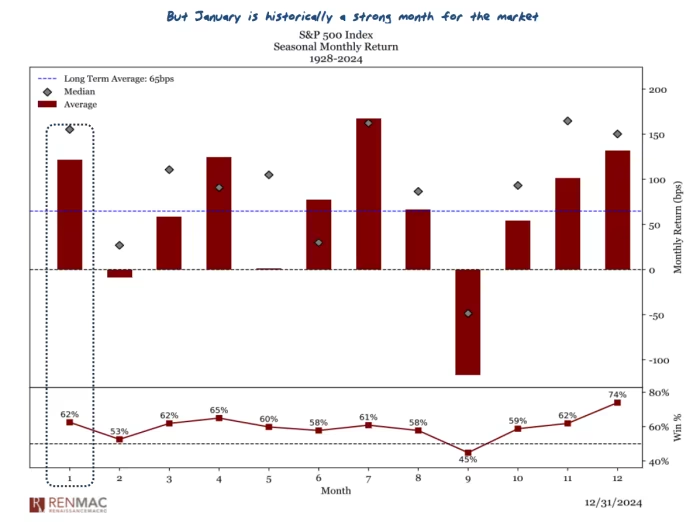
S&P 500 Faces Another Holiday Season Slump, Marking Rare Back-to-Back Declines For the second consecutive year, the S&P 500 is falling short during the historically upbeat “Santa Claus rally,” disappointing investors who typically anticipate a year-end boost. This rare back-to-back decline underscores a challenging stretch for the market, as such outcomes have occurred only twice since 1950, according to Dow Jones Market Data. The Santa Claus rally refers to the final five trading days of December and the first two of the new year, a period when the S&P 500 has historically gained an average of 1.3% and risen nearly 80% of the time. However, as of Monday’s close, the index has fallen 1.1% since the rally began, marking its weakest performance during this period since the 2015-2016 window. The Nasdaq Composite has fared even worse, poised to post its fourth consecutive Santa Claus rally decline—a streak that would be its longest on record. While major indexes, including the Dow Jones Industrial Average, recorded impressive gains throughout 2024, the recent slump has some analysts warning of potential turbulence as the new year begins. Market signals suggest deeper concerns. Breadth—a measure of advancing versus declining stocks—has deteriorated, with the S&P 500 experiencing its longest negative streak in over two decades earlier this month. Momentum stocks, which powered much of 2024’s rally, have started to lose steam. Key technical indicators, including the moving-average convergence-divergence (MACD), have issued sell signals, while high-beta stocks have broken their upward trends. Despite these signs, a few megacap stocks, such as Broadcom and Tesla, had managed to limit the broader market’s losses earlier in December. However, even these market leaders have turned lower, adding to investor concerns. Adding to the market’s challenges, rising Treasury yields have weighed heavily on equities. The 10-year Treasury yield recently hit a seven-month high, further dampening sentiment. Although yields eased on Monday, the S&P 500 still closed 1.1% lower at 5,907, unable to reclaim the critical 6,000 level, which some analysts now view as resistance. With just days remaining in the Santa Claus rally period, analysts are keeping a close eye on market momentum. The lack of typical year-end stability, combined with technical weaknesses, has fueled concerns that January could bring additional selling pressure, leaving investors bracing for a bumpy start to 2025.

BATMMAAN
Market News

BATMMAAN’ Stocks: December Heroes Eye 2025

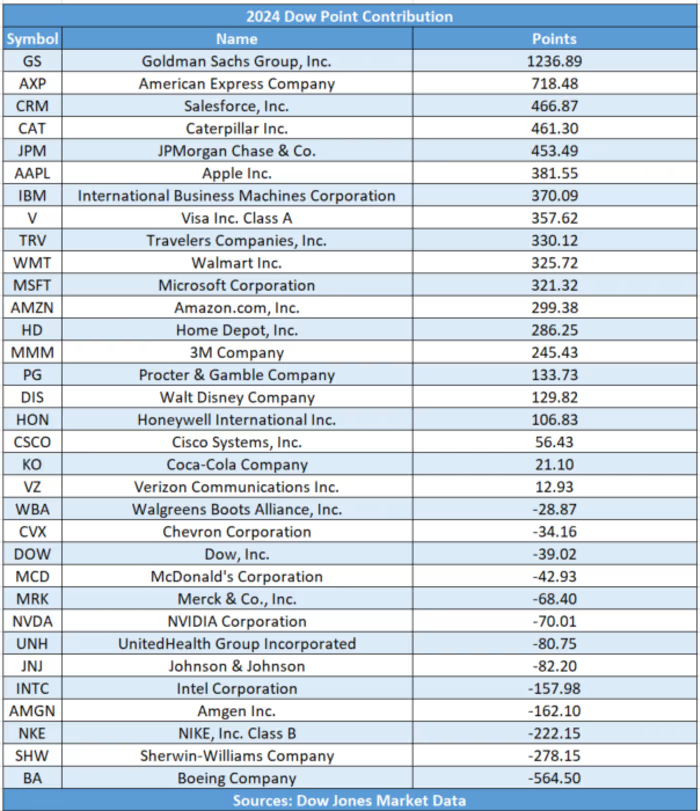
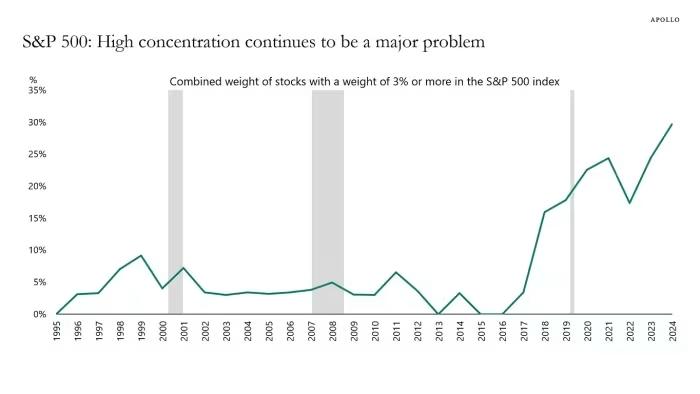
After a strong rally throughout most of 2024, the U.S. stock market has hit a rough patch in December, with investors gravitating back to megacap technology stocks. The “BATMMAAN” stocks—Broadcom, Apple, Tesla, Microsoft, Meta, Amazon, Alphabet, and Nvidia—have dominated market gains. Broadcom’s rise past the $1 trillion market capitalization threshold cemented its place alongside the original “Magnificent Seven,” as these eight tech giants continue to drive the market higher. Since November’s election, this group has added $1.9 trillion in market value, accounting for over 85% of the S&P 500’s total increase during that time. Narrowing Breadth and Market Concentration The rally that began broadly after the election has narrowed considerably this month. While information technology, consumer discretionary, and communication services sectors remain in the green, most of the market has struggled. This concentration has pushed the S&P 500 toward a monthly loss, even as the Nasdaq Composite, fueled by tech-heavyweights, has climbed 2.5%. The S&P 500 is now at one of its most concentrated levels in decades. Five stocks—Apple, Nvidia, Microsoft, Alphabet, and Amazon—account for the highest combined weight in the index since the early 1990s. Analysts warn this dependence on a handful of companies increases risks, as the index’s performance becomes less diversified. The AI Boom and Valuation Questions A significant driver of these megacap stocks’ dominance is their heavy investment in artificial intelligence. Companies like Nvidia and Broadcom have reported impressive earnings growth linked to AI infrastructure. However, others, including Apple and Tesla, show slower growth, leading to concerns about overvaluation. If these companies fail to meet high expectations or AI optimism fades, their stock prices could face downward pressure. Broader Market Performance Despite the recent slowdown, 2024 has been a more balanced year compared to 2023. Gains have extended beyond megacap tech, with 10 of the S&P 500’s 11 sectors set to finish the year higher. Small- and midcap stocks have also seen stronger performance, though they continue to lag their larger counterparts. The S&P 500 is on track for its first back-to-back annual total returns exceeding 25% since 1998, a significant milestone. Outlook for 2025 Looking ahead, Wall Street expects slower but steady growth in 2025. Analysts anticipate earnings improvements for the broader market, but challenges remain. Rising Treasury yields, stagnant growth outside megacaps, and questions about AI’s long-term impact could dampen enthusiasm. The 10-year Treasury yield, now near its highest levels since May, has climbed roughly 100 basis points since September, raising borrowing costs and possibly limiting investment outside of tech giants. Investors may soon demand clearer results from AI-related investments. While Nvidia and similar companies have delivered, others must prove their strategies can translate into sustained earnings growth. If not, attention may shift to value stocks and sectors with more attractive valuations. What Lies Ahead? The policy backdrop, including an accommodative Federal Reserve and anticipated tax cuts, is expected to support the market into 2025. Even if the AI rally falters, these factors could prevent broad-based losses. As the year wraps up, a light economic calendar offers little new data, leaving the focus on how markets position themselves for the new year. Despite December’s challenges, major indexes are set to finish the year with significant gains, underscoring the resilience of select segments of the market.

markets
Market News

Mixed Markets: Santa Claus Rally Watch

Meanwhile, new labor markets data signaled headwinds for the economy. Continuing unemployment claims jumped to 1.91 million, the highest level in more than three years, highlighting persistent job markets pressures. Stock market indexes ended mixed on Thursday in their first session after Christmas, dampening the momentum of the Santa Claus rally. The Dow Jones Industrial Average rose by approximately 29 points, gaining 0.1%, while the S&P 500 dipped slightly to finish nearly unchanged. The Nasdaq also declined modestly, down 0.1%. These mixed outcomes followed two days of gains, including Wednesday’s strong start to the Santa Claus rally. This period—spanning the final five trading days of the year and the first two of January—has historically delivered average gains of 1.3% for the S&P 500. This year’s rally kicked off with strength on Christmas Eve, as the Dow surged nearly 400 points and the S&P 500 climbed 1.1%, marking its best Christmas Eve performance since 1974. Optimism remains among traders hoping for a strong finish to the year, potentially setting the stage for solid gains in 2024. “When the Santa Claus Rally is positive, the S&P 500 typically generates a 1.4% gain in January and an average annual return of 10.4%,” noted Adam Turnquist, Chief Technical Strategist at LPL Financial. However, Turnquist pointed out that if the rally falters, the S&P 500 tends to deliver flat January results and a more modest annual return of 5%. Initial jobless claims for the week totaled 219,000, slightly below expectations of 225,000.

sonic
DayTradeToWin Review

Master Sonic Trading for $137 Gains

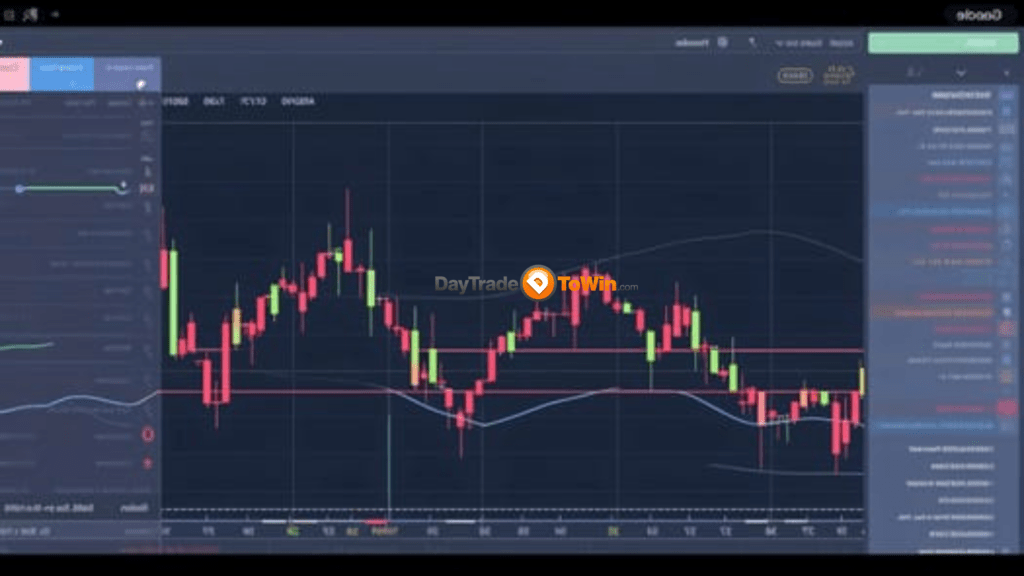
Today is December 26th, and we’re diving into the Sonic Trading System—a proven tool designed to simplify trading while maximizing profitability. Let’s explore today’s trade and why this system stands out for both new and experienced traders. Today’s Trade in Action Signal Taken: Long at 6091.25Why?: The system has consistently delivered accurate long signals, with each hitting its target. Profit Potential: Why Traders Love the Sonic System The Power of Consistency Today’s trade executed flawlessly, hitting the profit target of $137.50. While this result is from a single contract, traders can scale up for greater profits. Starting small with micro contracts is a great way to build confidence before moving into larger positions. Pro Tips for Long-Term Success Limited-Time Year-End Offers Don’t miss out on exclusive discounts and bonuses available until December 31st. Visit daytradetowin.com to: Final Thoughts The Sonic Trading System empowers traders to make smarter, more confident decisions. By focusing on price action and avoiding conventional indicators, you can achieve consistent results and grow your trading career. Ready to elevate your trading? Visit daytradetowin.com and start your journey today. Good trading, and may the markets move in your favor!

investors
Market News

The AI Nuke Trade: Risks Investors Should Know

Josh Wolfe: Modular Nuclear Reactors Are ‘Not Good Businesses’ As artificial intelligence (AI) continues to expand, so does its insatiable appetite for electricity. This demand has tech giants and investors turning to nuclear energy as a potential solution. In October, Google, Amazon, and Microsoft announced plans to leverage mini-nuclear plants to meet their AI power needs. Microsoft had already partnered with Constellation Energy, while Meta recently issued a request for proposals (RFP) to nuclear developers to support its AI and clean energy goals. The nuclear sector has seen a surge in investors interest, with companies like NuScale Power (SMR), Oklo (OKLO), and Nano Nuclear Energy (NNE) delivering impressive stock market gains. Year-to-date, NuScale’s stock has soared 538%, Oklo has risen 123%, and Nano Nuclear, a recent entrant to the market, is up 99%. However, Josh Wolfe, co-founder of Lux Capital, urges caution. While he supports nuclear energy, he questions the economic viability of modular nuclear reactors (SMRs). In a December post on X (formerly Twitter), Wolfe revealed that he had recommended shorting stocks such as Nano Nuclear, Oklo, and NuScale during a private investor event. “I’m a fan of nuclear energy,” Wolfe said, “but the hyperscaler announcements from Microsoft, Meta, and Amazon are more about greenwashing to meet carbon commitments. The 3-10 year RFPs for nuclear won’t unfold as people expect.” Wolfe criticized the hype surrounding SMRs, suggesting that while they are groundbreaking technology and have driven short-term stock gains, they may fall short as sustainable businesses. His preference lies with large-scale nuclear projects and abundant natural gas resources, particularly in the Permian Basin. He predicts slow progress for SMRs, with 2025 headlines likely featuring phrases like “OKLO gets approval to study a site to possibly build” or “Amazon enters agreement to potentially buy from [an SMR company] if it ever builds.” Hedge funds have taken notice of nuclear energy’s potential, with a Goldman Sachs report highlighting significant investments in nuclear power producers during Q3. Vistra (VST) and Talen Energy (TLN) have emerged as popular picks, reflecting growing anticipation of AI-driven electricity demand. Market OverviewAmid holiday-thinned trading, stock index futures are sliding early Thursday, with the Nasdaq, S&P 500, and Dow Jones all dipping. Meanwhile, Japan’s Nikkei closed with a gain of over 1%, underscoring regional market dynamics. As AI’s energy demands grow, the debate over small modular reactors versus large-scale nuclear solutions will likely intensify, shaping the future of energy investment.

Scroll to Top