election
DayTradeToWin Review

Trading After the Election: Smart Entry & Exit Strategies

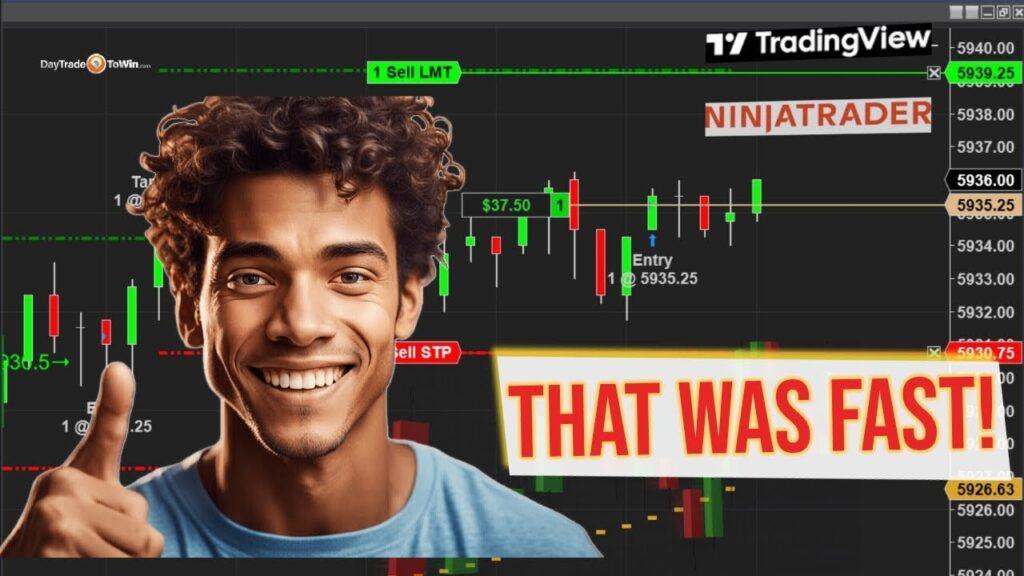
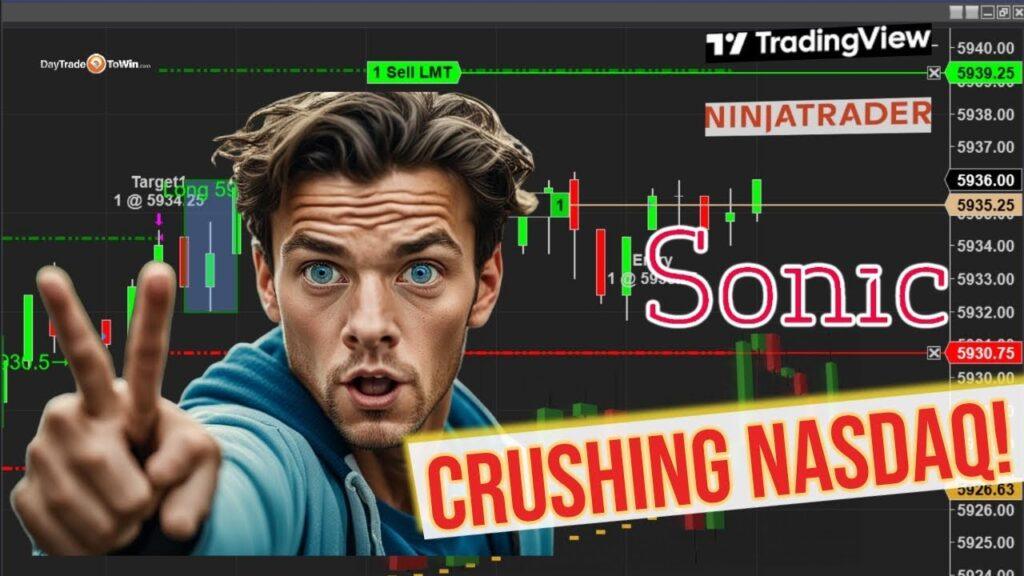
Good morning, traders! The election is behind us, so let’s get back to the markets. Yesterday brought some outstanding trading opportunities after the election with clear signals, and we captured some excellent trades! If you missed it, don’t worry—our free classes on YouTube can get you up to speed. As always, trading involves risk, so never trade with funds you can’t afford to lose. Now, let’s dive in and look at today’s market, the day after the election. Current Market Overview: The market is showing strong momentum, but I’ve waited for a slight pullback to enter at a better price. Right now, I see strong signals to go long, aiming for an entry around 5930.50 or better. Here’s my plan: Trade Management and Time Consideration: I prefer trades that move in my favor quickly. If a trade stagnates, moving sideways, I may exit at break-even or a minor gain/loss to keep the account moving forward. The Power of Price Action with Sonic System: The Sonic system provides real-time signals that give confidence in managing trades effectively. Whether you’re a beginner or experienced, our live trading room offers a collaborative space for questions, learning, and understanding each trade’s purpose. Second Trade Setup – Long Strategy: A second signal came in, looking positive. I’m staying cautious, waiting for a favorable entry and another long opportunity. Remember, each trade has unique timing, targets, and price action. Patience is essential. Trade Management Tips: Final Trade: Today, I’ll demonstrate three consecutive trades, walking you through each to show how to use the Sonic system. This approach lets traders manage trades logically, providing flexibility with entries, stops, and targets. The Path to Trading Success: With price action trading, you focus on understanding market behavior over relying purely on indicators. This allows informed, real-time decisions without feeling rushed. Remember, a few well-managed trades can be enough to succeed. Ready to Learn More? Explore our mentorship program and free membership at DayTradetoWin.com. The Sonic system, along with price action training, provides a strong foundation for any trader looking to improve. Trade smart, manage your risks, and I’ll see you in class!

S&P 500
Market News

Why the S&P 500 Trades at Higher Valuations

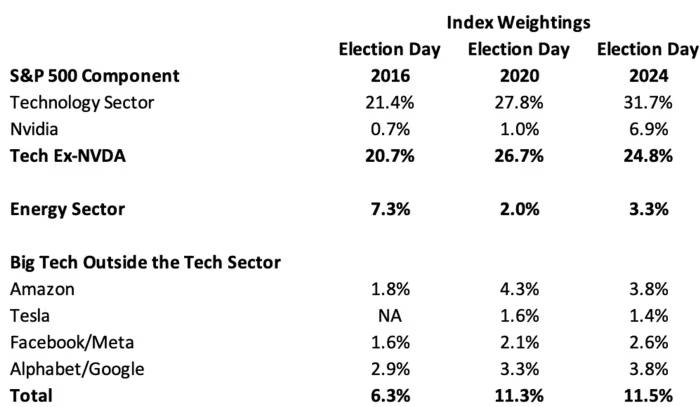
Nicholas Colas, co-founder of DataTrek Research, notes that substantial changes within the S&P 500 over the last four to eight years have led to its high valuation compared to 2016. On Election Day 2024, the S&P 500 rose by 1.2%, boosted by gains in Big Tech stocks like Nvidia, Meta, and Tesla, as voters cast their ballots for the next U.S. president. Colas explained that the S&P 500’s price-to-earnings (P/E) ratio has increased significantly since 2016, though it is now closer to 2020 levels. This rise has been driven by shifts in fiscal and monetary policy and a greater weighting of technology stocks in the index. For example, Nvidia’s weighting in the S&P 500 has surged from 0.7% in 2016 to 6.9%, reflecting its position as a leader in AI. The tech sector now represents 31.7% of the index, up from 21.4% eight years ago. Dominic Rizzo, portfolio manager for the T. Rowe Price Technology ETF, emphasized the critical role that technology and related sectors play in the S&P 500, with Big Tech names like Apple, Microsoft, Amazon, and Meta now accounting for 43.2% of the index, up from 27.7% in 2016. For investors, this high concentration of tech stocks makes valuation a key consideration. DataTrek’s analysis shows that, despite high interest rates, tech valuations remain strong. Colas noted that while many expected tech sector valuations to decline in a rising-rate environment, they have instead expanded more than any other sector, with Nvidia trading at 40 times forward earnings, underscoring the ongoing demand for tech-driven growth.

sonic
DayTradeToWin Review

Election Day Trading with the Sonic System

Hello, Traders! It’s Election Day—a day that can bring increased market volatility and unique trading opportunities. Today, we’re diving into how the Sonic Trading System can help manage trades in this fast-moving environment. We’ll focus on a one-minute chart, as it provides a good balance between quick insights and accuracy. Before we begin, a reminder: trading involves significant risk. Please trade only with funds you’re prepared to lose, as there’s no guaranteed outcome in trading. Setting Up the Sonic System for Election Day For today’s session, I’ve switched to a one-minute chart. This timeframe is popular among traders who want to capitalize on quick trades while keeping a clear view of trends. Right from the start, the Sonic System signals some potential entries. Key points to consider: Reviewing Today’s Trades The first trade setup I followed today was a long position around 5774, which earned about $87 (excluding fees). Using limit orders minimizes slippage and lets you have better control over the exact entry point. Although some quick trades hit their targets before I could enter, patience is key—it’s better to wait for the right setup than chase each trade. Why I Prefer Limit Orders Instead of market orders, I use limit orders to control entry prices. If a trade setup appears but the price jumps right to the target, it’s usually best to skip that trade rather than chase it. Take your time to assess each signal, focusing on the entry, stop, and target to make sure the trade aligns with your goals. Live Training and Mentorship Program Our mentorship program offers hands-on training on the Sonic System, including how to use tools like the news indicator for staying aware of impactful events. Whether you use NinjaTrader or TradingView, our program provides the resources to support your trading journey. If you’re ready to learn more, visit daytradetowin.com to get started. You’ll find details on our trading tools and mentorship program, plus access to trials and resources to improve your trading skills. Key Tips to Take Away Stay sharp and trade smart—let’s make today a winning day!

24-Hour Trading
Market News

Why 24-Hour Trading is the Future of Investing

For global investors, 24-hour trading offers a significant advantage — particularly when market-moving events happen outside regular trading hours. In the U.S., stock markets operate on a schedule that suits East Coast traders, opening at 9:30 a.m. and closing at 4 p.m. But for those in different time zones, trading can be less convenient. West Coast traders need an early start, while international investors in Asia, for example, face a more challenging overlap with U.S. hours. To meet the growing demands of investors worldwide, financial institutions have been pushing for expanded trading hours, with some now offering nearly 24-hour access. Advances in technology, combined with the globalization of financial markets, have made it easier to accommodate around-the-clock trading. This concept isn’t new; futures markets in the U.S. have traded almost continuously from Sunday evening to Friday afternoon for years, and commodity markets also offer extensive weekday hours. Cryptocurrencies, meanwhile, have proven the viability of 24/7 trading. Yet, the U.S. stock exchanges still operate within limited hours set back in 1985, offering only some premarket and after-hours trading. This gap is now closing. The New York Stock Exchange recently extended trading on its Arca Exchange, which now operates from 1:30 a.m. to 11:30 p.m. Eastern Time, allowing nearly 22 hours of trading per day. Major brokerages, like Charles Schwab, are also expanding access. Schwab now offers clients the ability to trade all stocks in the S&P 500 and Nasdaq 100 indices, plus hundreds of ETFs, 24 hours a day. Driving this shift is Blue Ocean Technologies, whose alternative trading system (ATS) runs from 8 p.m. to 4 a.m. Eastern, supporting trading during hours that align with the Asian market. Blue Ocean works with over 50 brokerages, including Robinhood and Webull, to serve a growing number of investors looking to trade U.S. stocks in their local daylight hours. The need for resilient, 24-hour trading systems has become more critical as volume surges during major after-hours events. For example, when a surprise move in the yen caused volatility in Asian markets, Blue Ocean’s ATS experienced an intense surge in trades. Recognizing the importance of handling such spikes, Blue Ocean partnered with MEMX exchange to upgrade its system’s capacity, ensuring stability during high-volume events. Investors are increasingly expecting reliable access to the market at all hours, especially in response to impactful events like geopolitical developments or election results. For brokerages, any outage during after-hours trading could damage their reputation, as clients expect the same reliability during extended hours as they do within regular market hours. In today’s interconnected markets, where events in one part of the world affect investors everywhere, the demand for accessible 24-hour trading is only set to rise, making it a valuable tool for investors across the globe.

roadmap
DayTradeToWin Review

Boost Your Trading with Roadmap and Sonic Systems

Navigating the trading landscape can often feel like a journey full of unexpected twists, especially during volatile market phases. To bring some clarity to this path, many traders turn to two powerful systems: the “Roadmap” and “Sonic.” These methods act as guiding tools, offering insights on when to enter, exit, or avoid the market altogether. Let’s dive into these strategies and explore how they can elevate your trading approach. 1. Timing and Trade Assessment In trading, timing is everything. Success hinges on understanding momentum and knowing when to exit a trade that’s stalled. If the market moves favorably, that’s ideal, but when a position becomes “choppy” and indecisive, it’s often smarter to step back. Even a small profit or minor loss is preferable to letting a stagnant trade deplete your account. Mastering the decision to hold or fold is essential to protecting your gains and limiting potential losses. 2. Filtering Trades with the Roadmap System The “Roadmap” acts as both a trend indicator and trade filter, offering straightforward rules based on price action. When price bounces off the roadmap, it can indicate resistance or support, signaling a possible entry if you’re looking to short. If the price breaks through the roadmap, it could suggest a trend shift. By helping traders confirm trade signals and filter out weaker trades, the Roadmap minimizes risk exposure. 3. Understanding Position Accumulation and News Impact The Roadmap also sheds light on position accumulation patterns, especially among institutional traders who build positions gradually. When these large players start selling, they can trigger rapid exits and major market moves. By monitoring these dynamics, traders can avoid entering right before a potential sell-off. Additionally, observing how quickly the roadmap aligns with price after a news event is key. A fast recovery can signal an opportunity, while a delayed response suggests the market has adjusted. 4. Leveraging Long Signals with the Sonic System The Sonic System specializes in generating actionable signals, particularly for long trades. When a long signal appears, it’s often best to wait for an optimal entry point or set a limit order to prevent slippage. This slight delay can improve your risk-to-reward ratio. Sonic gives you about 5-10 minutes to gauge the market’s reaction, allowing for careful adjustments before committing to the trade. 5. Combining Roadmap and Sonic for Enhanced Accuracy Using the Roadmap alongside Sonic offers dual confirmation that can strengthen your position. If both systems show a buy signal in a volatile market, you’re in a favorable spot. However, if the Roadmap suggests resistance while Sonic signals a long entry, it’s often wise to wait for alignment between both systems. This approach helps traders make informed decisions and avoid reacting to short-term market noise. 6. Considering Volatility and ATR for Informed Trading Volatility plays a significant role in trading success, and the Average True Range (ATR) can provide additional context. In highly volatile markets, the Roadmap and Sonic systems remain useful but require adjusted expectations. By incorporating volatility and ATR insights, you can ensure you’re entering trades in the most favorable conditions. For those looking to master these systems, consistent practice with price action analysis is invaluable. Roadmap and Sonic R strategies offer actionable insights and disciplined trade management techniques, equipping you to handle even the most challenging market conditions. Ready to enhance your trading skills? Visit daytradetowin.com to create a free member account, explore trial options, and access resources like the ABC software to further refine your trading approach.

gold
Market News

Market Volatility: Stocks and Gold in Election Limbo

The U.S. presidential election on Nov. 5 is proving to be anything but predictable. Polls indicate a tight race for the White House and potential for either party to control the House, while Republicans hold a slight advantage in the Senate, according to UBS Group’s latest ElectionWatch analysis. With the potential for varied outcomes—even a contested election akin to the 2000 Bush-Gore standoff—investors should be prepared for market volatility. While stocks have historically risen regardless of which party leads Washington, Jay Hatfield, portfolio manager at Infrastructure Capital, believes this election could have an outsized impact on markets. “This isn’t your garden-variety election,” Hatfield told MarketWatch. “The market implications could be huge, with each party backing starkly different policies.” Market Implications by Sector Stocks With days left before the election, the stock market is showing mixed signals. Investors are more focused on corporate earnings and economic data than on the election itself, but uncertainties around delayed results could still affect risk sentiment. Key Sectors Policy differences could directly influence certain sectors. For instance, a Trump victory might favor traditional energy stocks as he pushes for more U.S. oil production. Conversely, a Harris administration could boost renewable energy industries, with potential for stronger support for clean energy initiatives. Bonds Election results could trigger further moves in bond yields, particularly if government spending policies heighten deficit concerns. Rising yields could also influence stock market volatility. Oil With the U.S. election looming, oil prices are sensitive to both the candidates’ energy policies and Middle East developments. Trump’s focus on expanding U.S. oil production may keep prices in check, while Harris’s emphasis on green energy could push oil prices up as supply tightens. Gold and the U.S. Dollar Gold has hit record highs in recent months as investors hedge against political uncertainty. Meanwhile, the U.S. dollar has gained ground pre-election, with potential Trump policies fueling optimism among traders. Investors will be watching closely for how these areas react to the final election outcome and any policy shifts that follow.

Scroll to Top