learn how to day trade

DayTradeToWin Review

AutoPilot Trading System: Setting Profit Targets at $500 or $1000

Greetings, and welcome to our blog! Today, on October 18th, we embark on a journey through the fascinating world of autopilot trading with the assistance of an eight-range chart. We’ll be using a tailor-made template and specific settings to guide us through this trading experience. However, it’s imperative to remember that trading carries inherent risks, so only invest what you can comfortably afford to lose. Setting the Scene Our trading adventure kicks off around 10:20 AM, and we’ll be customizing our system to align with the prevailing market conditions. The essential settings we’ll be exploring are as follows: Trading in Motion Now, let’s dive into the operational aspects of this system using a practical example: Advanced Configurations To fine-tune your trading experience with this system, consider these supplementary settings: Conclusion In today’s session, we had the opportunity to witness the autopilot trading system in action. It successfully achieved the predetermined daily profit target, and we gained insights into how to configure vital parameters to mitigate risk and secure profits. It’s essential to recognize that this is just one approach to trading, and your strategy should always align with your risk tolerance and trading objectives. For any questions or further information about the autopilot trading system, don’t hesitate to visit our website at daytradetowin.com or email us. We trust that this guide has provided you with valuable insights into the world of automated trading. Stay tuned for upcoming blog posts, where we will delve deeper into trading tips and strategies. Happy trading!

DayTradeToWin Review

The Power of Selling Short: A Trader’s Guide

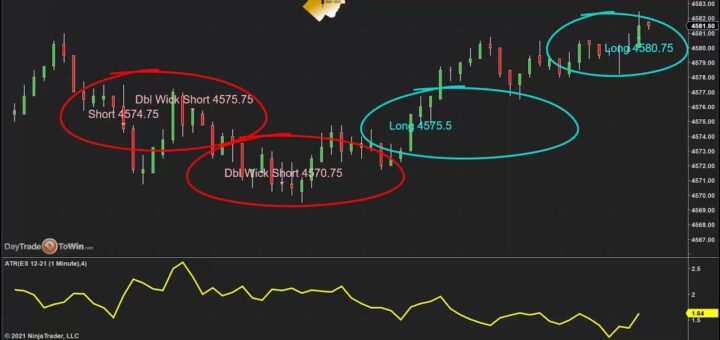
In this article, we will delve into the fascinating world of short selling and explore how it can be a highly profitable strategy when combined with the At The Open Strategy and Trade Scalper. If you’ve ever been curious about the potential of short selling in your trading journey, you’ve come to the right place. Understanding Short Selling: Short selling, often referred to as “shorting,” is a trading technique tailored for profiting from a market on the decline. It stands in sharp contrast to the traditional buying approach, where traders acquire assets with the expectation of their prices rising. When you engage in short selling, you essentially borrow an asset and sell it on the open market, with the intention of repurchasing it later at a lower price. Your profit materializes from the price difference between selling and buying. A formidable ally for short selling is the At The Open Strategy. This software equips traders with signals and insights to optimize their trading during the initial moments of market activity, especially at the market open. The At The Open Strategy boasts versatility, offering signals for both long and short positions, making it a fundamental tool for traders seeking to profit from market movements in either direction. When this software generates a short signal, it’s signaling an opportunity to sell assets with the expectation of a price decline, a pivotal element for short sellers. In concert with short selling, the Trade Scalper strategy provides an effective approach for capitalizing on intraday price fluctuations. It is particularly well-suited for traders interested in profiting from short-term market movements, including those looking to benefit from falling prices. The Trade Scalper software delivers signals for both long and short positions. When a short signal emanates from this tool, it presents an opportunity to sell short and potentially profit from a market downturn. When coupled with diligent risk management and discipline, this strategy can enhance your ability to profit from short selling. It’s essential to recognize that short selling carries inherent risks. While it can be a lucrative strategy in declining markets, it can also result in substantial losses if the market moves against your position. Therefore, implementing robust risk management practices and having a well-defined exit strategy is vital when undertaking short selling. Conclusion In response to the question, “Can you sell short and make money trading?” the answer is a resounding yes. By harnessing strategies like the At The Open Strategy and Trade Scalper, traders can tap into short-selling opportunities within financial markets. However, it’s crucial to approach short selling with caution, practice prudent risk management, and cultivate a deep understanding of market dynamics. If you’re new to short selling, consider honing your skills through a demo account or seeking guidance from experienced professionals before engaging in live trading. When approached responsibly and thoughtfully, short selling can be a valuable addition to your trading repertoire.

DayTradeToWin Review

Profit Planning 101: Smart Traders Prepare Their Targets

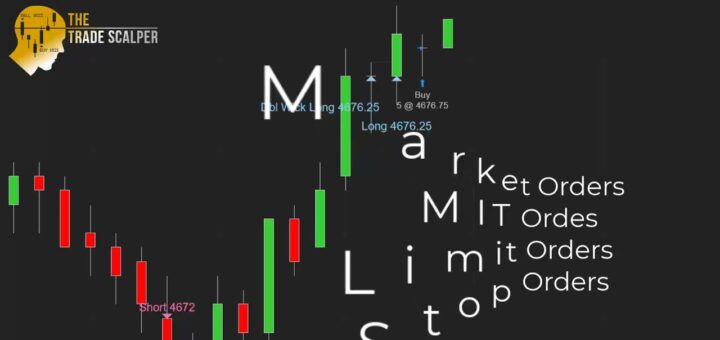
Fridays often pose unique challenges in the trading world. Market conditions tend to undergo a slowdown, whether you’re engaged in crypto, Nasdaq, E-mini futures, or any other asset. However, maintaining a vigilant approach remains crucial, especially as we approach the afternoon trading session. In this comprehensive blog post, we will delve into the intricacies of identifying and executing a long signal using the Trade Scalper double wick long strategy. I will provide valuable insights into how we adeptly manage such trades and offer you an exclusive peek into our trading methodology, driven by the powerful . Signal Consistency: One of the remarkable aspects of the Trade Scalper software is its ability to provide consistent signals. It levels the playing field by ensuring that everyone sees the same signals. Today’s signal beckoned us at 46.76 quarter on the E-mini S&P. Trade Management: Effective trade management is a linchpin of successful trading. Before entering any trade, it’s imperative to make informed decisions about your target and stop levels. This meticulous planning empowers you to assert control over your risk exposure. In the context of the prevailing market conditions, our guidance often derives from the Average True Range (ATR). Analyzing the last four or five candlesticks reveals an ATR of one and a half points, translating to six ticks. This ATR value serves as our target. It’s important to emphasize that aligning your profit target with the current market conditions is paramount. During periods of sluggish market activity, we set our sights on more modest targets. Similarly, the placement of stop levels demands careful consideration. While it’s essential to safeguard your trade, avoid setting stops too distantly from your entry point. In our example, we’re seeking a stop that is slightly more generous than the current conditions but refrains from being overly expansive compared to our profit target. The key principle here is to avoid jeopardizing your trade by risking excessive points in pursuit of a comparatively smaller profit. Exit Strategy: Once your predefined target is attained, it’s imperative to execute your exit strategy promptly. In our case, the target of 46.78 quarter was precisely six ticks (equivalent to one and a half points) from our entry. Whether you opt for a market order, a stop order, or a direct exit through your trading platform, timeliness is the essence of successful trade closure. Conclusion Trading, particularly in the domain of scalp trading, demands a combination of strategic acumen and disciplined risk management. Continuously adapt your approach to align with the prevailing market conditions. Always bear in mind that in slower market environments, modest profit targets are not just prudent but also the key to preserving your trading capital. Should you have any questions or require further clarification, please don’t hesitate to reach out. Trading is a dynamic endeavor, and with the right tools and knowledge, you can navigate its challenges successfully. For those new to day trading and eager to explore the advantages it offers, I invite you to visit DayTradeToWin.com. Additionally, consider subscribing to the DayTradetoWin YouTube channel for invaluable insights into price action and effective trading strategies. Until our next encounter, may your trading endeavors be prosperous and fulfilling!

DayTradeToWin Review

Mastering Day Trading with the Atlas Line and Trade Scalper

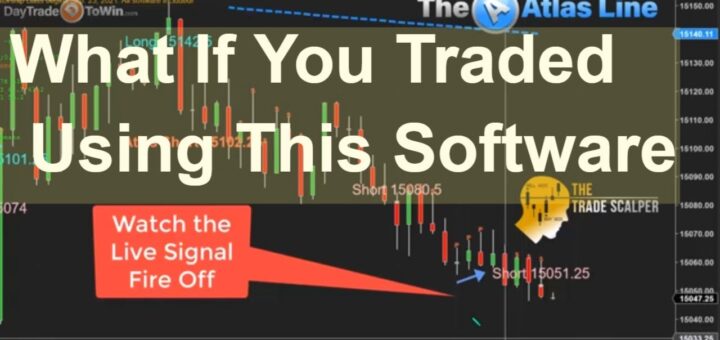
Are you prepared to embark on a thrilling journey into the realm of day trading? Whether you’re an experienced trader or just starting, the Atlas Line and Trade Scalper are potent weapons in your trading toolkit. The Atlas Line is a versatile trading tool that furnishes precise signals grounded in price action and market trends. One of its standout features is its adaptability across different time zones, granting accessibility to traders globally. Whether you’re in the Pacific, Central, Mountain, or even engaged in overnight trading during the London session, the Atlas Line can be customized to suit your trading schedule. When employing the Atlas Line for trade scalping, comprehending its signals is paramount. If the Atlas Line issues a short signal, it’s time to concentrate solely on short trades, actively seeking opportunities to sell in the market. However, it’s important to note that trading goes beyond blindly following signals. Crucial consideration should be given to market volatility, which is often represented by the Average True Range (ATR). A higher ATR suggests increased market volatility, warranting caution. Even if signals appear favorable, exercising care in executing trades is imperative under such circumstances. The Atlas Line presents both strength and pullback trades, aiding in the assessment of trend strength and the suitability of short selling. Strength trades juxtapose the current trend with previous strength trades, while pullback trades do the same for pullbacks. This analysis ensures alignment with the prevailing trend direction. Trade Scalper: Proficiency in Short-Term Price Action The Trade Scalper is a valuable tool for day traders, specialized in capturing rapid short-term price movements. When combined with the Atlas Line, it serves as an effective filter, allowing you to pinpoint trade opportunities that align with your preferred trading direction. To maximize the synergy between the Trade Scalper and Atlas Line, focus primarily on short trades when the Atlas Line signals short. This strategic alignment enables fine-tuning of your trading approach, elevating your chances of success. Maintaining an awareness of ATR is key to establishing practical profit and stop-loss targets. Tailor your trading strategy to the current market conditions, ensuring that risk remains within acceptable parameters. The Crucial Role of Risk Management While we’ve extolled the virtues of these trading tools, emphasizing robust risk management is imperative. Relying solely on rigid price-based stops is discouraged. Instead, incorporate a blend of exit strategies: Remember, successful day trading demands adeptly capturing profitable trades and astutely managing losses. Employ these exit strategies to shield your capital and maintain a balanced trading approach. Ready to Take the Plunge? Day trading offers excitement and potential rewards when equipped with the right tools and strategies. While the Atlas Line and Trade Scalper offer valuable insights and opportunities, adapting them to your risk tolerance and market conditions is paramount. If you’re a novice day trader or seeking to hone your skills, consider enrolling in a mentorship class or exploring resources centered on price action, such as daytradetowin.com. With dedication, practice, and ongoing learning, you can master the art of day trading and confidently navigate the intricate world of financial markets.

DayTradeToWin Review

Strategies for Securing Profits and Setting Stops in Scalping

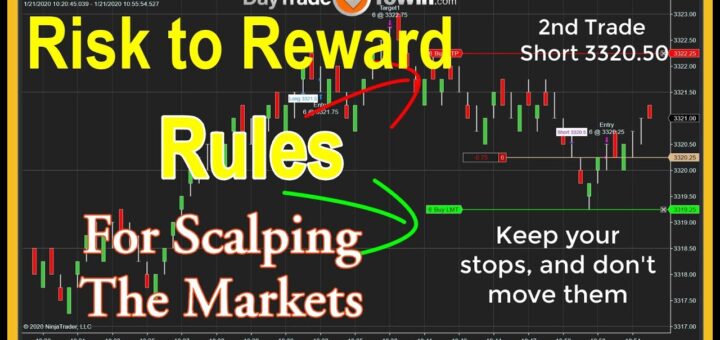
Hello, fellow traders! Today, we’re delving into the world of profit targets, stops, trade management, and the effective use of the Trade Scalper software, exclusively available at DayTradeToWin.com. The Trade Scalper is a powerful tool in the realm of price action trading. This course equips you with the skills to scalp virtually any market, regardless of the charting platform you prefer. But what is scalping exactly? It’s all about executing lightning-fast trades with precision, aiming for narrow profit targets while diligently managing stop losses. The goal? Consistent wins throughout your trading day. Throughout this course, you’ll become a master at identifying trade opportunities independently, without relying on software. We believe in full transparency – the entire strategy is laid out for you to grasp thoroughly. Of course, if you prefer, you can also leverage the Trade Scalper software designed specifically for NinjaTrader. This tool provides precise entry signals, guiding you to the exact moment to enter a trade, along with valuable insights into market direction. Whether you choose to navigate the markets manually or with the assistance of the Trade Scalper software, you’re well on your way to a more confident and successful trading journey. Let’s dive in and unlock the potential of scalping! Conclusion In summary, mastering trade scalping requires precision, patience, and well-defined strategies. Always consider your risk-reward ratio, use automation tools like ATM strategies, and avoid common pitfalls like overtrading. Trading is a journey, and with the right approach, you can navigate it successfully. If you have any questions or need further guidance, feel free to reach out to me at daytradetowin.com. We offer mentorship and various trading tools, including the Atlas Line and Trade Scalper. Stay tuned for more valuable insights on approaching the markets with a price action mindset. Until next time, I’m John Paul, and I’ll see you soon. Happy trading!

DayTradeToWin Review

Mastering Day Trading with the ABC Method: Perfect for Novice Traders

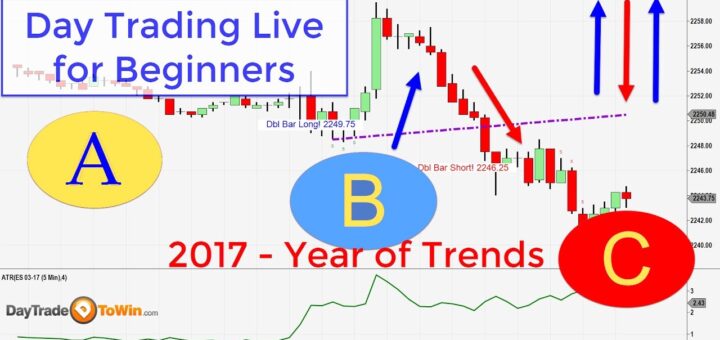
Are you eager to immerse yourself in the thrilling realm of day trading but find the plethora of strategies and indicators overwhelming? Fret not, as this blog post will introduce you to the ABC Method—an uncomplicated yet powerful approach to day trading that’s particularly well-suited for newcomers. Demystifying Day Trading Before we embark on unraveling the intricacies of the ABC Method, let’s take a moment to comprehend what day trading entails. Day trading involves the buying and selling of financial instruments within the same trading day with the aim of profiting from short-term price fluctuations. It’s a proactive trading style that necessitates swift decision-making and is not for the faint-hearted. Why Choose Price Action? Price action trading is a strategy that exclusively relies on the price movement of an asset, devoid of the complexities introduced by intricate indicators. This approach is founded on the belief that all pertinent information is already reflected in the price, rendering it an uncomplicated strategy for traders. Now, let’s delve into the ABC Method: A – Assessing the Market The inaugural step in the ABC Method involves market analysis. Here’s what you should be on the lookout for: B – Constructing a Trading Blueprint After you’ve conducted a thorough market analysis, it’s time to formulate a trading plan. Your plan should encompass: C – Executing the Trade With your meticulously devised trading plan in hand, it’s time to put it into action. Observe these guiding principles: Review and Continuous Learning Following the completion of a trade, it is imperative to conduct a thorough post-mortem: In Conclusion The ABC Method simplifies the complexities of day trading, rendering it accessible to neophyte traders. By focusing on price action and adhering to a structured approach, you can elevate your prospects for success in the dynamic domain of day trading. It is vital to remember that trading carries inherent risks, and it is paramount to practice prudent risk management and perpetually augment your trading expertise on your journey. So, are you ready to commence your day trading odyssey with the ABC Method? Give it a whirl, and may your trades be prosperous!

Scroll to Top