Uncategorized

stock
Uncategorized

Stock Secrets: Why Congressional Leaders Keep Winning

Study Finds Congressional Leaders Outperform Peers by 47 Points Annually December may be known for the “Santa Claus rally,” but early market action suggests anything but holiday cheer. And while investors debate the year-end outlook, new academic research is shining a spotlight on an unlikely group of standout stock performers: Congressional leaders. A study released through the National Bureau of Economic Research reveals that lawmakers who rise to leadership positions—party heads, whips, and caucus chairs—dramatically outperform their peers in stock trading. Before taking leadership roles, their trading results look similar to those of comparable members. Afterward, they beat those peers by an astonishing 47 percentage points per year. The researchers, Shang-Jin Wei of Columbia University and Yifan Zhou of Xi’an Jiaotong-Liverpool University, point to clear advantages: leaders influence the legislative agenda, have visibility into regulatory actions, and often interact with key figures in federal procurement. They also gain greater access to corporate executives. In fact, the study finds that after stepping into leadership, these lawmakers earn substantially higher abnormal returns on trades involving companies that contribute to their campaigns or are based in their home states—relationships that can provide privileged, company-specific insights. Their trades appear to anticipate good news, too. Stock purchases by leaders reliably preceded positive corporate developments within a year, such as dividend increases—information executives would likely know in advance. By contrast, their trades did not predict events executives wouldn’t know about, like lawsuits. Still, the study isn’t without limitations. Congressional trading disclosures only show ranges, not precise amounts, and the sample is small: between 1995 and 2021, only 47 individuals served as leaders, and just 20 traded both before and after rising to leadership. The research is also a working paper awaiting peer review. Some might suspect the results are heavily influenced by figures like Nancy Pelosi, whose husband is a venture capitalist. Although the study doesn’t isolate her trades, it does run tests excluding top traders and even the highest-return lawmakers—and leadership still significantly outperforms, sometimes even more so. The 2012 STOCK Act reduced how often members trade, but it didn’t meaningfully change leaders’ average trade size or their above-market returns.

trade scalper
Uncategorized

Trade Scalper: The Simpler Way to Spot Real-Time Setups

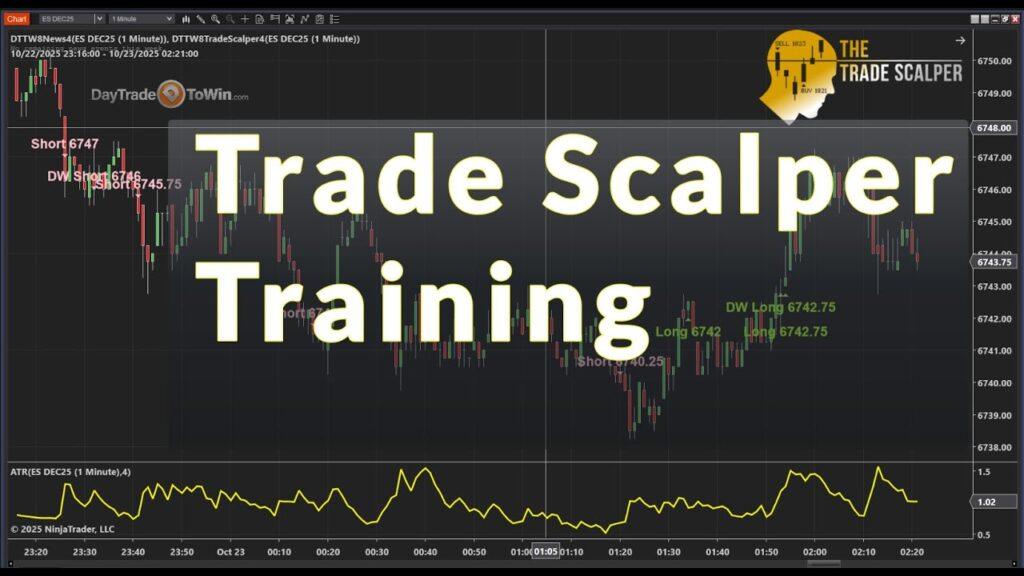
If you’ve recently joined our free Trade Scalper trial, welcome to the world of fast, precise, and professional trading. Whether you’re using NinjaTrader or TradingView, this simple yet powerful system helps you spot price action opportunities in real time — no guesswork, no lagging indicators. Quick Setup — Get Trading Fast To start, make sure NinjaTrader or TradingView is installed on your computer. Need help? No problem — our support team is ready to guide you every step of the way. Just email us at [email protected]. You’ll also get access to our News Indicator, which displays live market-moving events (like FOMC announcements or job reports) directly on your chart. Both the Trade Scalper and News Indicator are available for free trial users. Why Traders Love the Trade Scalper The Trade Scalper (Version 4) is built on pure price action — not moving averages, RSI, or MACD. That means you’re trading what’s actually happening in the market, not what happened five bars ago. It’s simple, fast, and designed to give you high-probability buy and sell signals in real time.You’ll see two main signals: When you see multiple signals pointing in the same direction, that’s your cue — the market is trending strongly. It’s the perfect time to capture those quick, consistent profits. Set It Up Once — Trade with Confidence The Trade Scalper is ready to go right after installation. No complicated optimization, no parameter tweaking. Everything’s pre-configured for performance. Want to personalize your chart? You can easily change colors, text size, and alert sounds, then save your setup as a default template so your preferred layout loads automatically. The system works across E-mini S&P, NASDAQ, crypto, and other fast-moving markets. As long as there’s price movement, the Trade Scalper adapts seamlessly. Use ATR for Smarter Targets One of the smartest ways to manage trades is by watching the Average True Range (ATR). This dynamic approach keeps you in sync with current market volatility, helping you avoid overreaching and improve your consistency. Enhance Your Strategy with NinjaTrader’s ATM For NinjaTrader users, combining the Trade Scalper with ATM Strategy makes trading even easier. Set your stop-loss and profit target once, and every new trade automatically applies your preferred settings. You can create templates for different markets — for example: This semi-automated approach keeps you disciplined, efficient, and focused on execution — not constant adjustments. Trade Around the Clock The Trade Scalper performs beautifully during the U.S. session and continues to deliver during London and Asian hours. Just keep an eye on volatility — if the ATR drops below one point, step aside. Markets move best when volatility is healthy. Slow conditions mean it’s better to wait for momentum to return. Ideal for Funded Traders If you’re working toward or trading a funded account, the Trade Scalper is perfect. You can meet your targets with fewer trades, maintain consistency, and stay within program rules — all while using a proven, professional-grade trading tool. Get Your Free Trial Today Ready to experience price action trading at its best? Visit DayTradeToWin.com or email [email protected] to activate your free Trade Scalper trial. You’ll receive full access to the system, our instructional videos, and dedicated support — so you can start trading smarter, faster, and more confidently today. Master the art of scalping with real price action — and take control of your trading success.

stocks
Uncategorized

Why Global Stocks Are Leaving the U.S. Behind

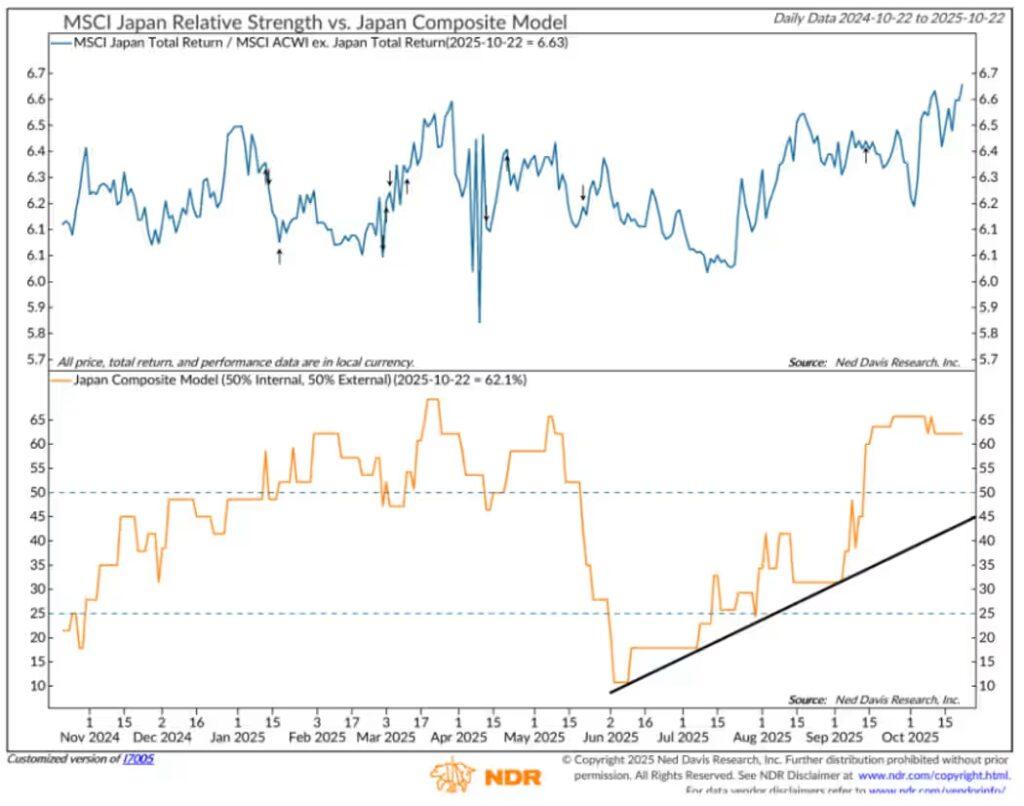
Ned Davis Research: Shift Toward Japan and Emerging Markets, Away from U.S. Stocks The U.S. market may be hitting record highs, but one top strategist says it’s time to look elsewhere. Despite a steady run for the S&P 500 — up 14.6% this year — and the Nasdaq Composite gaining 18.8%, Ned Davis Research (NDR) believes investors should start reducing U.S. exposure and reallocating to Japan and emerging markets (EM). In a recent note, Tim Hayes, NDR’s global chief strategist, warned that signs of fading relative strength in U.S. equities suggest a period of underperformance ahead, while Japan and EM are showing strong momentum, attractive valuations, and positive capital flows. U.S. Strength Starting to Fade U.S. stocks make up nearly two-thirds of the MSCI All-Country World Index (ACWI), but despite their global influence, they’ve underperformed both year-to-date and over the past several weeks. In comparison, the MSCI Emerging Markets Index has surged 25% in 2025, and the MSCI Japan Index is up 4% in the last 21 days — both ahead of U.S. benchmarks. This divergence has triggered an NDR sell signal for U.S. stocks as the 20-day relative strength reading hits its weakest level since April. Meanwhile, both EM and Japan have generated buy signals, suggesting stronger price momentum ahead. Attractive Valuations and Currency Tailwinds Hayes points out that emerging markets are far cheaper than the U.S., which remains the most expensive regional market based on NDR’s global valuation metrics. EMs have also benefited from rising currencies and steady inflows into exchange-traded funds, signaling renewed investor confidence. Japan, on the other hand, is being propelled by a weaker yen that supports exporters and boosts earnings. Investor sentiment has strengthened further amid optimism that the new government will deliver on its pro-growth policies. NDR’s internal data shows that 86% of Japan’s market indicators are bullish, the highest in over a year. Portfolio Rebalancing Ahead Given the shifting dynamics, NDR has downgraded U.S. equities to underweight, while upgrading Japan to overweight and increasing exposure to emerging markets. “The duration of these trends can’t be predicted,” Hayes concludes, “but our models clearly favor continued U.S. underperformance — and leadership from Japan and EM.” Investors seeking exposure to these regions can consider:

market
Uncategorized

The ATO Strategy: Turning Market Pullbacks into Profit

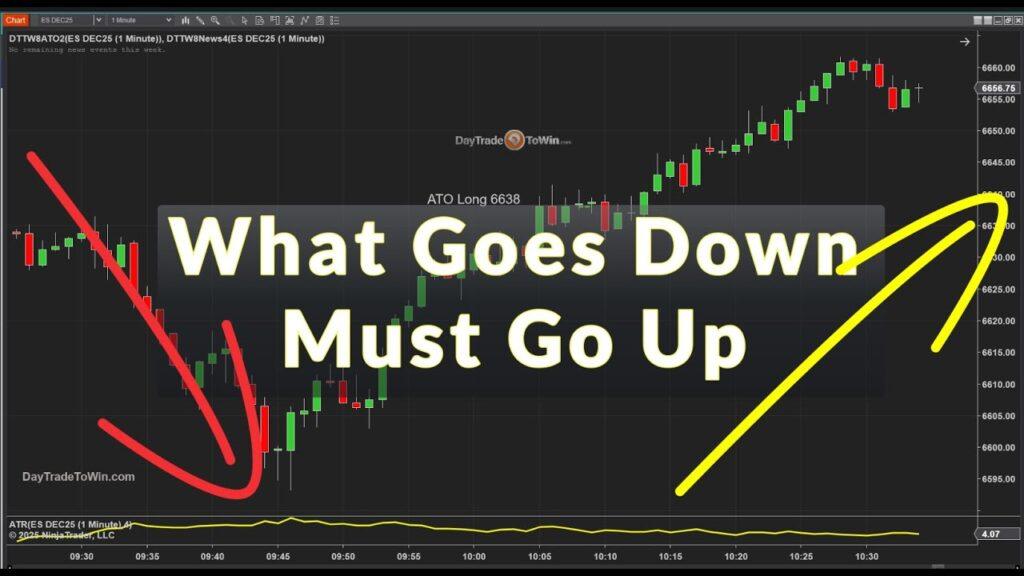
They say what goes up must come down — but in trading, what goes down often comes roaring back. After Friday’s sharp sell-off in crypto and equities, we’re now seeing the market stage an impressive turnaround. Prices are climbing, momentum is building, and for traders using our At the Open (ATO) strategy, this rebound means opportunity. The ATO is a powerful opening range breakout method — simple, fast, and highly effective. Included with our Mentorship Program, this classic strategy has stood the test of time, delivering clear signals and consistent $300–$450 trades for those who know how to use it. 📊 Confirm the Move — Trade with Confidence When the market shifts, you need confirmation. That’s where our tools shine. The Atlas Line, Trade Scalper, Blueprint, and Sonic System all identify momentum and direction — helping you know when it’s time to go long or short. When multiple methods agree, that’s your cue to take action. When they don’t, you wait. That’s how smart traders stay consistent — by following price action, not emotion. ⚙️ Simple, Versatile, and Built for Today’s Market All our systems work seamlessly on TradingView and NinjaTrader platforms. ✅ The Sonic System can be used on 1-minute or 5-minute charts✅ You can easily adjust stops and targets✅ Combine multiple methods for stronger, confirmed entries When tools like the Sonic System, Atlas Line, and ATO align, you’re not guessing — you’re trading with the market, not against it. 🚀 Eyes on the Year-End Rally Historically, markets tend to climb as the year wraps up. Seasonal momentum and investor optimism often push prices higher through December. Right now, the E-mini S&P looks poised to test 6700 and possibly 7000. Traders focused on the long side could find excellent setups as the trend builds. Don’t sit on the sidelines — this could be your window to capitalize on the next leg up. 💡 Start Trading the Right Way Want to learn how to read price action and trade with confidence?Join DayTradeToWin and get started today: 🌐 Visit daytradetowin.com to create your Free Member Account🎓 Access free software trials, including the ABC, Atlas Line, and Sonic System🚀 Join Accelerated Mentorship to unlock all our trading methods and live training Avoid the clutter of conventional indicators. Trade with clarity. Trade with price action. DayTradeToWin — where traders learn to trade smarter, not harder.👉 Get started today at daytradetowin.com

small-caps
Uncategorized

Big Move in Stocks: Small-Caps Lead the Breakout

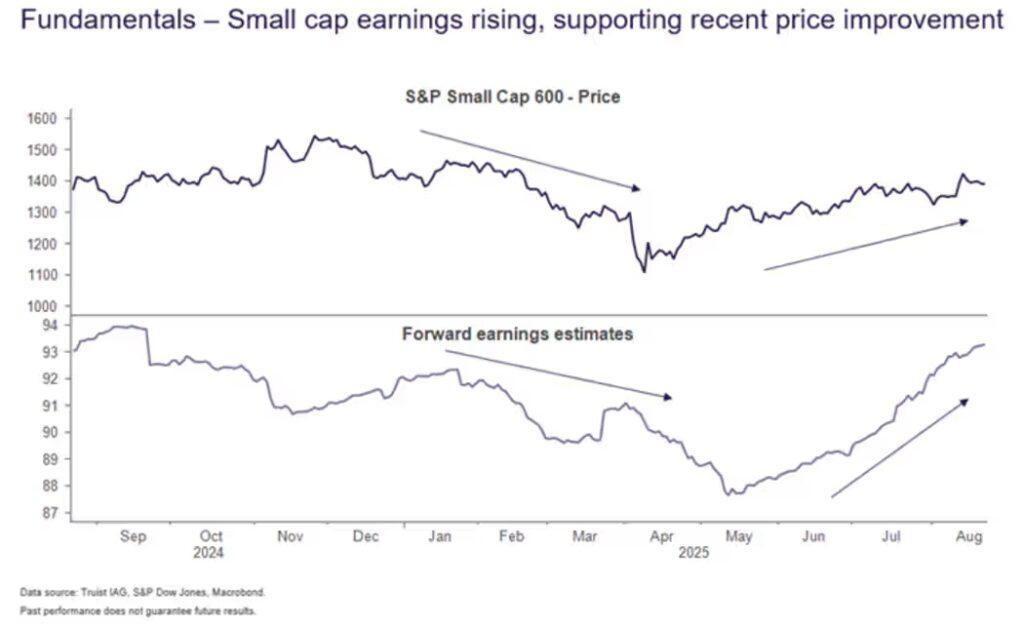
Small-Caps Break Out as Fundamentals Improve The aftershocks of Fed Chair Jerome Powell’s hint at a September rate cut were still felt after Jackson Hole, with U.S. small-caps among the biggest winners. The Russell 2000 surged nearly 4% on Friday, finally breaking free from a long stretch of stagnation versus the S&P 500. RBC Capital Markets strategist Lori Calvasina said the move was important not just for its size but for signaling a potential shift in market leadership away from the Magnificent Seven. While she warned the rally could fade as a short-covering bounce, investor positioning suggests it may have more room to run. Valuations will be key. The Russell 2000 was trading at 16.3 times earnings before Powell’s speech, with levels at 17.5, 18, and 20 marking potential ceilings if momentum continues. Keith Lerner of Truist Wealth upgraded small-caps to “neutral,” noting that, unlike in past rallies, price action now comes with improving earnings trends. He also highlighted new tax provisions that support leveraged and capital-intensive companies. Still, lasting gains depend on economic strength. Nancy Lazar of Piper Sandler argues the U.S. is only beginning to feel the effects of last year’s rate cuts, and combined with a supportive policy mix of tax relief and deregulation, growth could reaccelerate to as much as 3% by 2026.

dollar
Uncategorized

Dollar on Edge as Stagflation Fears Grow

Savouri Warns: The Dollar Is Headed for a Wile E. Coyote Moment The U.S. economy is barreling toward stagflation, and the dollar is about to take a dramatic fall — that’s the stark warning from Savvas Savouri, chief economist and managing director at London-based advisory firm QuantMetriks. “If you look through the front windshield instead of the rearview mirror,” Savouri says, “it’s clear stagflation is on the horizon.” With a career that spans academia, investment banking, and his role as a long-time economist at Tosca Capital, Savouri has developed a reputation for sharp economic commentary. His current outlook is no exception: rising inflation, a weakening dollar, and a steepening U.S. Treasury yield curve. What’s Driving U.S. Inflation? According to Savouri, inflationary pressure is building on three fronts: He argues that recent tariffs — and Trump’s broader economic agenda, including reshoring and new fiscal spending — are contributing to inflationary momentum. He even refers to a recent legislative package, the “One Big Beautiful Bill Act,” as a form of money-printing. Powell’s Position in Jeopardy? In a note titled “The Inflationator vs. The Powell,” Savouri speculates that Jerome Powell might not remain Federal Reserve chair until his scheduled 2026 exit. Drawing parallels with Japan’s and Turkey’s former central bankers — ousted after resisting political pressure — Savouri suggests Powell may face similar risks if he doesn’t align with the White House. He warns that if inflation rises while the Fed cuts rates, the U.S. yield curve will steepen further — with long-term yields climbing faster than short-term ones — signaling trouble for the bond market. Dollar Drop Incoming Savouri sees the dollar on the edge of what he calls a “Wile E. Coyote moment” — seemingly suspended in midair before crashing. He believes this dollar decline could align with Trump’s goals and speculates that a meeting with China’s President Xi could result in a deal to let the renminbi appreciate, potentially removing its peg to the Hong Kong dollar. This could, in theory, improve U.S. export competitiveness — but also destabilize the dollar further. “Who’s going to buy long-term U.S. debt,” Savouri asks, “when a trade war is underway with traditional buyers?” How Investors Should Prepare To guard against rising inflation and a weakening dollar, Savouri advises buying TIPS (Treasury Inflation-Protected Securities), which adjust interest payments in line with inflation. He also believes inflation could benefit select equities — particularly large-cap or tech firms with strong balance sheets and international earnings that can withstand higher rates and pass on increased costs. On the other hand, smaller U.S.-focused companies, especially those loaded with short-term debt, may struggle in a high-rate environment. As for hedges, Savouri rejects cryptocurrencies, calling them a systemic risk to the U.S. financial system. Instead, he favors gold as a traditional hedge and is bullish on the Australian dollar, citing the country’s strong demographics and economic resilience.

Scroll to Top